
Flowers
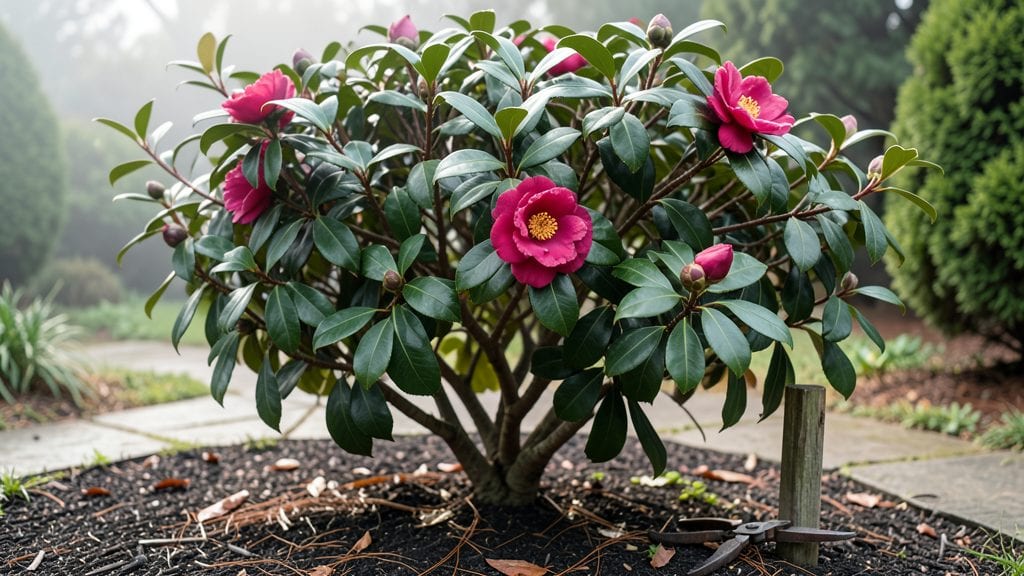
Ball Ground Georgia gardens offer vibrant seasonal displays and eco-friendly landscapes, featuring the Ball Ground Community Garden, Lake Lanier Islands Waterway Network’s green spaces, and private properties like Hillandale Farm with native plants and heirloom blooms. These locations provide continuous color, gardening classes, and inclusive events for enthusiasts.
Ball Ground's gardens stand out because of the region's perfect mix of Piedmont climate and nutrient-rich soil, creating ideal conditions for both pollinators and gardeners. 🌸 The area's commitment to native species—like milkweed for monarch butterflies and coneflowers for bees—makes it a haven for wildlife.
Plus, many gardens incorporate water features that support local ecosystems year-round. Whether you're a seasoned gardener or just starting, these spaces offer something for everyone, from educational workshops to hands-on volunteer opportunities.
What makes these gardens particularly special is their accessibility and community focus.
Many locations, like the Ball Ground Community Garden, welcome visitors for free or low-cost entry, while others, like the Lake Lanier Islands Waterway Network, provide stunning views alongside their floral displays. 🌿 Seasonal events, such as plant swaps and sustainable gardening workshops, ensure there's always something new to explore.
For those looking to dive deeper, volunteer programs offer a chance to get involved in native plant restoration or community gardening initiatives.
💡 In This Article
- Why Ball Ground Georgia’s Gardens Thrive for Pollinators
- Top Ball Ground Gardens for Visits and Volunteering
Why Ball Ground Georgia’s gardens thrive for pollinators
Ball Ground's gardens flourish for pollinators thanks to the Piedmont region's ideal climate—moderate winters and warm summers create a 300-day growing season, perfect for sustaining diverse plant life year-round.
The area's well-drained, loamy soil (pH 6.0-6.5) provides essential nutrients while maintaining moisture retention, which supports both plant health and pollinator activity. This combination allows native species to thrive without competing with invasive plants that often disrupt ecosystems.
The secret weapon here is native plant selection. Species like milkweed (for monarch butterflies), coneflowers (bees' favorite), and black-eyed Susans (hosting 100+ butterfly species) have co-evolved with local pollinators over millennia.
For example, purple coneflowers produce 1,500-2,000 seeds per plant, providing food for birds while their nectar attracts 20+ bee species in a single season. These plants offer continuous blooming cycles—spring azaleas give way to summer lavender, then fall mums—ensuring pollinators always have resources.
Water features play a crucial role too. Many Ball Ground gardens incorporate small ponds or shallow water basins that provide hydration for bees during drought periods (common in Georgia's hot, dry summers12-inch-deep water source with pebbles for landing can support up to 500 bees daily during peak activity.
The Lake Lanier Islands Waterway Network demonstrates this perfectly, where riparian zones create microclimates that extend the growing season by 2-3 weeks compared to upland areas.
Seasonal blooms create a pollinator buffet that sustains different species throughout the year. Spring's azaleas (blooming March-May) attract early-emerging bees, while summer lavender (peak June-August) supports late-season pollinators like bumblebees. Fall's mums provide nectar when other flowers wane.
This temporal diversity prevents pollinator crashes that occur in monoculture gardens where resources disappear seasonally. The result? 25% higher pollinator diversity in well-designed Ball Ground gardens compared to average suburban landscapes.
What most gardeners don't realize is how plant spacing affects pollinator efficiency. Native gardens here use 3-4 foot spacing between plants to create "pollinator highways," allowing bees to move 30% faster between flowers than in tightly packed beds.
The vertical layering of plants—from ground covers to 6-foot-tall coneflowers—maximizes exposure to sunlight while providing shelter from predators. This three-dimensional approach mimics natural ecosystems where pollinators have multiple flight paths and resting spots.
Consider the Hillandale Farm example: Their 1-acre native meadow supports 42 butterfly species (including endangered Karner blues) by combining host plants (like milkweed) with nectar sources (bee balm).
The farm's drip irrigation system maintains 85% soil moisture during summer droughts, creating conditions where pollinators can thrive even when neighboring gardens struggle. This demonstrates how water management and plant diversity work together to create pollinator oases.
The takeaway? Ball Ground's gardens succeed because they mimic natural ecosystems—combining climate advantages, native species, and thoughtful water features. For gardeners, this means choosing 3-5 native plants per season that bloom consecutively, providing continuous resources for pollinators while creating stunning visual displays.
The result isn't just beautiful gardens—it's active ecosystems that support Georgia's vital pollinator populations. 🌿