Vegetables
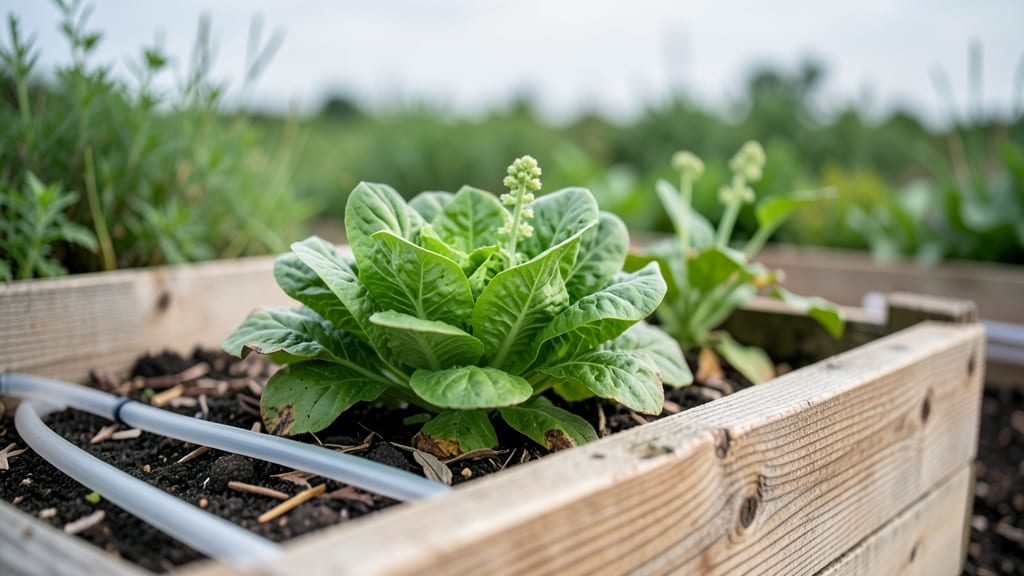
Community garden pics reveal stunning designs that combine edible plants with ornamental flowers in shared spaces, featuring raised beds, trellises, and native pollinator plants to create both functional and visually appealing layouts. These spaces are designed to be welcoming, efficient, and adaptable for gardeners of all skill levels.
These images go beyond just showing pretty gardens—they capture the thoughtful planning behind each layout. 🌿 Many community gardens use permaculture principles, arranging plants by their needs (sunlight, water, soil type) to create self-sustaining ecosystems.
For example, tall sunflowers might flank a path while low-growing herbs like thyme edge the beds, maximizing both beauty and harvest potential. The best photos also highlight how these spaces serve as community hubs, with seating areas and tool-sharing stations woven into the design.
What makes these gardens especially inspiring is how they balance practicality with creativity. Vertical gardens on fences or trellises save space while adding visual interest, and many incorporate native plants that support local wildlife.
The color palettes often follow seasonal themes—cool blues and purples in spring, fiery reds in summer—making each photo feel like a living work of art. These elements come together to prove that community gardens aren't just about growing food; they're about growing connections too.
💡 In This Article
- Design Principles Behind Successful Community Gardens
- Top Planting Combinations for Visually Stunning Gardens
Design principles behind successful community gardens
Successful community gardens thrive on intentional design that marries functionality with beauty. At the core lies permaculture principles, where plants are arranged in zones based on their needs and frequency of use.
Zone 1 (highest activity) might feature salad greens and herbs near the garden entrance, while Zone 5 (wild areas) could include native shrubs and perennials that require minimal care. This zoning maximizes efficiency—gardeners spend less time moving around while ensuring every plant gets optimal sunlight and water.
The science of companion planting plays a crucial role too. For instance, planting basil near tomatoes repels pests like whiteflies while enhancing flavor, while marigolds interspersed among vegetables deter nematodes naturally. These pairings aren't random—they're based on centuries of observation and modern research about plant interactions.
A well-designed garden might alternate rows of carrots and onions (which improve each other's growth) with nasturtiums as edible ground cover, creating a living mosaic that's both productive and visually striking.
Sunlight optimization is another critical factor. Most vegetables need 6-8 hours of direct sun daily, but shade-loving plants like lettuce or spinach thrive in partial shade (3-6 hours)**.
Smart gardeners place taller crops (like sunflowers or corn) on the north side of beds to cast shade for shorter plants during peak afternoon sun. This technique, called succession planting with shade structure, can increase yield by up to 30% in compact spaces.
Pathways also follow this logic—typically 2-3 feet wide—to allow sunlight penetration while providing accessible routes for wheelchairs and strollers.
Accessibility transforms these gardens from functional spaces into inclusive community hubs. Features like raised beds with 12-inch heights accommodate gardeners with mobility challenges, while ergonomic tool stations at waist level reduce strain.
Water access is often solved through drip irrigation systems with shared valves every 20 feet, eliminating the need for heavy hoses. These thoughtful touches ensure everyone—from children to seniors—can participate fully, turning gardening from a chore into a shared joy.
Soil quality ties everything together. Many successful gardens use no-till methods with 3-4 inches of composted organic matter annually to maintain fertility without depletion. The texture becomes crumbly yet moisture-retentive, ideal for root development.
What's fascinating is how this approach mirrors natural ecosystems—decomposing leaves and plant matter feed the soil, which in turn nourishes new growth. The result? Plants that grow 20-40% faster with fewer pests, creating that lush, thriving look seen in the best community garden photos.
When you see those stunning community garden images, you're looking at years of refined practice—where every plant has a purpose, every path serves a function, and every color contributes to the whole.
The magic happens when these principles come together: permaculture zones create harmony, companion planting boosts yields, sunlight optimization maximizes space, and accessibility ensures everyone belongs. That's how a simple patch of earth becomes a vibrant, productive masterpiece.