
Advice
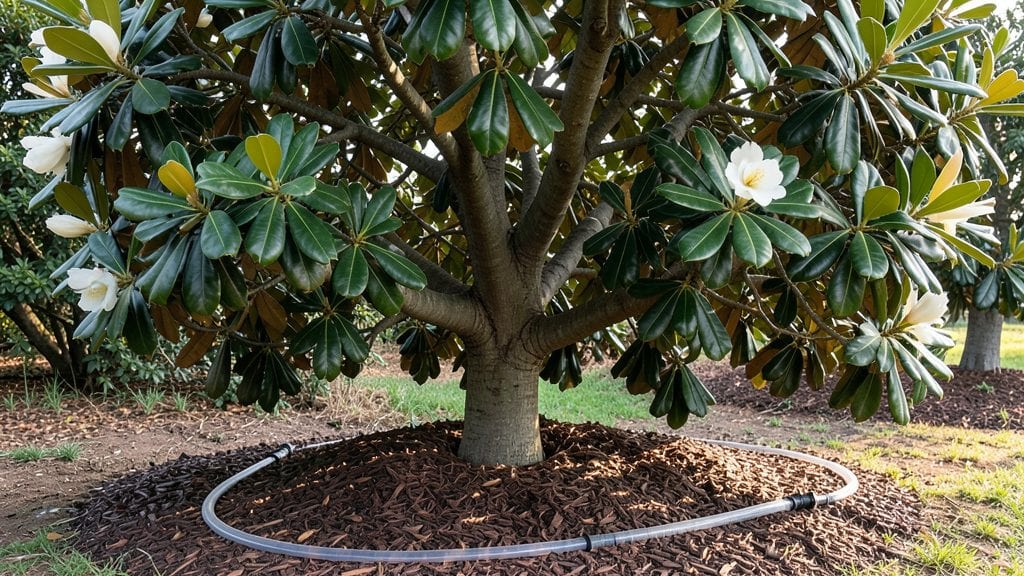
Gardening in North Carolina means working with a state that stretches from the mountains to the coast—and each zone has its own rhythm.
I’ve learned the hard way that what thrives in the Piedmont won’t survive the Outer Banks’ salt spray, and mountain gardens need a completely different approach than the humid lowlands. The key? Matching plants to your altitude zone, soil type, and microclimate.
North Carolina’s growing seasons vary wildly: coastal areas can start planting in February, while mountain gardeners wait until May. The NC State Extension’s frost maps are your best friend—bookmark them now.
Humidity and pests like the southern blight or ambrosia beetles also shift with elevation, so knowing your zone saves you from costly mistakes. I’ve grown everything from blueberries in the mountains to sweet potatoes in the sandhills, and the difference in timing and care is night and day.
You’ll end up with a garden that’s not just surviving, but thriving—whether that’s lush native azaleas in the Piedmont, heat-tolerant okra along the coast, or frost-hardy kale in the mountains.
The payoff? Year-round harvests, fewer failed plantings, and a yard that actually fits your corner of the state. Let’s get into the specifics that make NC gardening work.
Here’s the thing—no matter where you garden in North Carolina, the same principles apply: start with soil tests, choose the right plants for your zone, and stay ahead of pests with local solutions. The rest is just fine-tuning. Ready to make your garden sing, no matter the altitude?
📚 In This Guide
- What you need
- Instructions
- Tips and common mistakes
- Wrapping up and next steps
What you need
- ● Soil: 10–20 bags of well-draining garden soil (native NC soil mix or compost-amended blend). Pro tip: Test your soil’s pH (💡 NC State Extension offers free kits!
- ● Seeds/Plants: Choose altitude-appropriate varieties (e.g., tomatoes, peppers, or native wildflowers for your zone). Start with 5–10 plants or seed packets.
- ● Watering Supplies: 1–2 garden hoses (50–100 ft) with adjustable nozzles.
- ● 5–10 watering cans (for delicate seedlings).
- ○ 1 rain barrel (optional but eco-friendly!).
- ● Basic Tools: 1 garden trowel (for transplanting).
- ● 1 pruners (bypass for clean cuts).
- ● 1 hand fork (for aerating soil).
- ● 1 garden gloves (durable, breathable fabric).
- ● Fertilizer: 1–2 bags of slow-release organic fertilizer (e.g., 10-10-10 or composted manure).
- ● Mulch: 5–10 bags of pine straw or shredded bark (to retain moisture and suppress weeds).
- ● Drip irrigation system (for efficient watering, especially in NC’s heat).
- ● Soil thermometer (to monitor planting times for warm-season crops).
- ● Trellises or cages (for vining plants like beans or cucumbers).
- ● Pest control: Neem oil, diatomaceous earth, or row covers.
- ● Journal/notebook (to track plant progress and NC-specific notes!).
Instructions for altitude-adapted gardening in North Carolina
North Carolina’s varied elevations demand a tailored approach—here’s how to align your garden with the state’s unique climate zones.
Map Your Elevation Zone and Select Appropriate Plants
North Carolina spans from coastal plains to mountainous regions, each with distinct temperature patterns and frost dates. Determine your elevation zone—coastal areas (0-200 feet), Piedmont (500-1,500 feet), or Mountains (3,000+ feet)—as this dictates your planting calendar. For example, coastal gardens can start warm-season crops like tomatoes 2-3 weeks earlier than mountain zones, where spring arrives later.
Choose native or well-adapted plants for your zone. Coastal areas thrive with salt-tolerant varieties like sea oats, while higher elevations support hardy mountain laurels and rhododendrons. I always cross-reference the NC State Extension’s county-specific plant guides to avoid mismatches—like planting heat-sensitive lettuce in the Piedmont’s summer heat.
Prepare Soil for North Carolina’s Diverse Conditions
The state’s soil varies dramatically—sandy and nutrient-poor in coastal regions, clay-heavy in the Piedmont, and thin but well-drained in the mountains. Test your soil’s pH and organic matter before planting. Coastal soils often need 2-3 inches of compost to retain moisture, while Piedmont clay benefits from gypsum or sand amendments to improve drainage. Mountain soils, though rocky, may require slow-release organic matter like leaf mold to prevent erosion.
I recommend amending soil 6-8 weeks before planting to allow microbes time to break down organic matter. In coastal areas, mix in 1-2 inches of pine bark fines to mimic natural forest floors, while Piedmont gardens benefit from aged manure or worm castings for nitrogen. Always water amendments in thoroughly to activate decomposition.
Time Planting for North Carolina’s Variable Frost Dates
Frost dates shift dramatically across the state—coastal areas may see last spring frost by March 15, while mountain gardens can experience frost as late as May 15. Use these dates to guide your planting schedule: warm-season crops like peppers and squash should only go in after the last frost, while cool-season crops like broccoli and carrots need to be sown 6-8 weeks before the first fall frost (which can range from November 1 in the mountains to December 15 along the coast).
I always plant two successive crops of quick-maturing vegetables like radishes or lettuce—one in early spring and another in late summer—to maximize harvests. For mountain gardens, extend the season with row covers or cold frames to protect tender plants from late frosts. Coastal gardeners, meanwhile, should prioritize heat-tolerant varieties to avoid summer wilting.
Manage Water Wisely Across Microclimates
North Carolina’s humidity and rainfall patterns vary wildly—coastal areas receive 50+ inches annually, while the Piedmont averages 40-45 inches, and the mountains can see 60+ inches. Coastal gardens often suffer from poor drainage, requiring raised beds or amended soil to prevent root rot. In contrast, Piedmont gardens may need drip irrigation during dry spells, while mountain gardens benefit from swales or berms to capture runoff.
I’ve found that mulching with 2-3 inches of straw or wood chips conserves moisture across all zones, but the type matters. Coastal gardens do best with pine straw to mimic natural conditions, while Piedmont gardens thrive with shredded hardwood mulch to moderate temperature swings. Always check soil moisture 1 inch below the surface—if it’s dry, water deeply but avoid overhead sprinkling to prevent fungal diseases.
Protect Plants from Region-Specific Pests and Diseases
North Carolina’s climate fosters unique pest and disease pressures. Coastal gardens battle southern blight and nematodes, while Piedmont areas struggle with Japanese beetles and powdery mildew. Mountain gardens, though cooler, face aphids and spider mites due to dry air. Rotate crops annually to disrupt pest life cycles, and use reflective mulch or row covers to deter insects without chemicals.
I’ve had the most success with neem oil or horticultural soap sprays for early interventions, but prevention is key. Plant trap crops like nasturtiums near vulnerable plants to lure pests away, and choose disease-resistant varieties labeled for your specific region. For example, ‘Celebrity’ tomatoes resist verticillium wilt common in Piedmont soils, while ‘Coastal Champion’ okra thrives in humid coastal conditions.
Tips & tricks for altitude-adapted gardening in North Carolina
North Carolina’s diverse elevations create unique gardening challenges—here’s how to optimize your approach for each zone’s specific needs.
Elevation-Specific Plant Selection: Beyond the basic elevation zones, consider microclimates within your property. A south-facing slope in the Piedmont may be 10°F warmer than the surrounding area, allowing you to plant heat-loving crops like okra or sweet potatoes 2-3 weeks earlier than the general frost date suggests. I’ve found that mountain gardens benefit most from cold-hardy perennials like blueberries and currants, while coastal gardens excel with salt-tolerant shrubs such as wax myrtle or bay trees. Always verify plant tags for "cold hardiness zones" that align with your specific elevation.
Soil Amendment Timing: The 6-8 week soil amendment window is non-negotiable for microbial activity, but don’t overlook the importance of testing first. Coastal soils often test acidic (pH 5.0-5.5) and benefit from lime applications, while Piedmont clay soils typically need gypsum to break compaction. I recommend testing soil in fall for spring planting—this gives you time to adjust pH and organic matter before the critical planting window. For mountain gardens, focus on adding organic matter like leaf mold rather than trying to change the natural acidity.
Frost Date Flexibility: While the general frost dates provide a solid framework, local weather patterns can shift them significantly. I track both the USDA frost date calculator and my own garden observations for 3-5 years to establish my true frost dates. For example, in the Piedmont, I’ve seen last frosts range from March 1 to April 10—planting strictly by the USDA date would risk losing early crops. Consider using row covers for 2-3 weeks after the "official" last frost date to extend your growing season with tender crops.
Microclimate Water Management: The 1-inch soil moisture check is your best indicator, but timing matters just as much. Water deeply in the early morning to allow foliage to dry before evening humidity sets in—this prevents fungal diseases common in North Carolina’s humid climate. In coastal areas, I’ve found that installing a simple French drain around garden beds prevents waterlogging during the state’s frequent summer rains. Mountain gardeners should focus on capturing runoff with swales rather than trying to add more water.
Pro Tips for Gardening In North Carolina
- North Carolina’s diverse elevations create unique gardening challenges—here’s how to optimize your approach for each zone’s specific needs.
- Elevation-Specific Plant Selection: Beyond the basic elevation zones, consider microclimates within your property.
- Soil Amendment Timing: The 6-8 week soil amendment window is non-negotiable for microbial activity, but don’t overlook the importance of testing first.
Frequently asked questions
Got questions about gardening in North Carolina?
Whether you're a beginner or a seasoned green thumb, these answers will help you navigate the Tar Heel State's unique climate and soil challenges. Let’s dig in!
What’s the best time to plant in North Carolina’s varying elevations?
North Carolina’s elevation zones (Coastal Plain, Piedmont, and Mountains) shift planting times! For Coastal areas, start warm-season crops (like tomatoes) in late April–May after frost risk passes. In the Piedmont, aim for mid-April to early May. Mountain gardeners should wait until mid-May to June due to cooler temps. Always check your last frost date (typically March 15–April 15 in the Piedmont).
How do I adjust for North Carolina’s clay-heavy soil?
NC’s clay soil drains poorly but holds nutrients well—amend it with organic matter like compost, pine bark fines, or aged manure (2–3 inches mixed into the top 6–12 inches). For sandy soil (common in Coastal regions), add peat moss or compost to retain moisture. Test your soil’s pH (aim for 6.0–7.0) and adjust with lime (to raise pH) or sulfur (to lower it). Mulch (straw or wood chips) helps too!
What are the most low-maintenance plants for NC gardens?
Busy or new to gardening? Try these resilient NC-friendly plants:
- Perennials: Black-eyed Susans, coneflowers, and daylilies thrive with minimal care.
- Vegetables: Sweet potatoes, collard greens, and kale handle NC’s heat/humidity well.
- Shrubs: Azaleas (acid-loving!) and butterfly bushes need little attention.
- Ground covers: Creeping juniper or vinca suppress weeds naturally.
Native plants like switchgrass or purple coneflower also attract pollinators with zero fuss!
Why are my NC plants wilting despite regular watering?
Wilting in NC could signal overwatering (clay soil stays soggy), underwatering (sandy soil dries fast), or root rot (from poor drainage). Check soil moisture 1–2 inches deep—if dry, water deeply (1 inch/week). For container plants, ensure pots have drainage holes. Fungal diseases (like powdery mildew) also cause wilting; improve airflow and avoid overhead watering.
Can I garden successfully in North Carolina’s humid summers?
Humidity thrives with these tips:
- Morning watering reduces evaporation and fungal risks.
- Choose heat-tolerant varieties (e.g., ‘Celebrity’ tomatoes, ‘Malabar’ spinach).
- Use shade cloth (30–50%) for delicate plants like lettuce.
- Mulch heavily (3–4 inches) to keep roots cool.
- Watch for pests (aphids, squash bugs)—handpick or use neem oil.
Succulents and drought-resistant plants (like yucca) also handle humidity well!
Are there alternatives to traditional gardening in NC?
Yes! Try these space-saving or low-effort methods:
- Container gardening: Grow herbs, peppers, or strawberries in pots on patios or balconies.
- Raised beds: Improve drainage and control soil quality (ideal for clay or rocky areas).
- Square-foot gardening: Divide beds into 1-foot squares for efficient planting.
- Hydroponics/aquaponics: Soil-free systems work great in small spaces or urban areas.
- Companion planting: Pair plants like basil + tomatoes to deter pests naturally.
NC’s Community Gardens (check local listings!) are another great option for shared resources.
Wrapping up and next steps
Gardening in North Carolina is all about working with the land—not against it!
By selecting the right plants for your elevation, optimizing soil health, and embracing seasonal rhythms, you can create a thriving garden that’s both beautiful and low-maintenance. 🌱 Whether you’re a beginner or a seasoned green thumb, the key is patience and adaptability.
Ready to dig in? Start small—pick one technique or plant from this guide and experiment! Track your progress, learn from each season, and watch your garden flourish. Happy growing! 🌿