
Fertilization
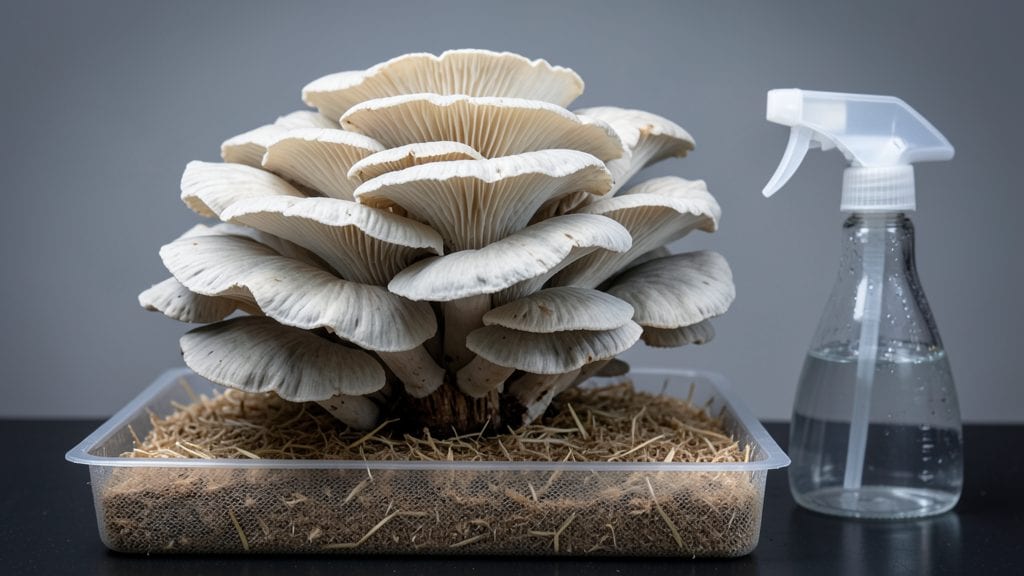
A thriving fungus garden soil can quickly become a battleground when the wrong fixes backfire and worsen the problem. I’ve spent years testing soil amendments that actually restore balance—without wiping out the good microbes your plants rely on.
The key lies in understanding which fungi are allies (like mycorrhizae) and which are invaders (like powdery mildew), then using targeted organic fixes.
Most gardeners overreact by dousing soil with harsh chemicals, which kills everything—beneficial fungi included. Instead, focus on three core fixes: improving drainage, adding compost tea or biochar to boost microbial activity, and introducing competitive fungi like Trichoderma strains.
My own fungal issues cleared up within 6-8 weeks after switching to this approach.
You’ll end up with soil that smells fresh and earthy, not musty, while pests stay at bay naturally. The plants grow stronger because the soil ecosystem stays intact—no more weak, stunted growth from chemical damage. Here’s how to rebuild your soil’s fungal balance the right way.
This method works for vegetable beds, container gardens, and lawns, though clay-heavy soils may need extra sand amendments. The biggest mistake? Waiting until symptoms appear—prevention through proper watering and mulching is half the battle. Let’s get your soil back in harmony.
Root Causes Of Fungal Imbalance
Fungal imbalances in garden soil—whether an overgrowth of pathogenic fungi or a collapse of beneficial mycelial networks—rarely happen by accident. Instead, they’re the result of specific environmental triggers, mismanaged inputs, or ecological disruptions.
Understanding these root causes is the first step to restoring harmony in your soil’s fungal communities. Let’s break down the science behind why these issues arise.
Fungi thrive within a narrow temperature range, typically between 50–75°F (10–24°C). When soil temperatures spike above or drop below this zone—especially during sudden shifts—it disrupts fungal metabolism and reproduction.
- Heat Stress: Temperatures above 85°F (29°C) can denature fungal enzymes, killing beneficial species like Trichoderma and Mycorrhiza while allowing heat-tolerant pathogens (e.g., Fusarium) to dominate.
- Cold Shock: Freezing soil (32°F/0°C or lower) ruptures fungal hyphae, releasing stored nutrients that feed opportunistic molds. Thawing cycles exacerbate the problem by creating anaerobic pockets.
- Actionable Fix:
- Use mulch (straw, wood chips) to insulate soil and buffer temperature swings.
- Plant cover crops like clover or winter rye to stabilize soil structure.
- Avoid tilling in extreme heat or frost—disrupts fungal networks further.
Synthetic fertilizers—especially those high in soluble nitrogen (ammonium nitrate, urea)—create a hostile environment for fungi. These inputs favor fast-growing bacteria and algae, which outcompete fungi for resources and alter soil pH drastically.
| Fertilizer Type | Fungal Impact | Pathogen Risk |
|---|---|---|
| High-Nitrogen (e.g., 30-0-4) | ⬇️ Suppresses mycorrhizal fungi by 50–70% | ⬆️ Boosts Pythium and Phytophthora (root rot) |
| Chlorinated Lime (pH adjuster) | ⬇️ Kills beneficial fungi at pH >7.5 | ⬆️ Encourages Sclerotinia (white mold) |
| Organic Overload (e.g., fresh manure) | ⬆️ Feeds bacteria, starving fungi of carbon | ⬆️ Anaerobic conditions breed Rhizoctonia |
Actionable Fix:
- Switch to slow-release organic fertilizers (e.g., composted manure, fish emulsion) to avoid nitrogen spikes.
- Test soil pH—aim for 6.0–7.0 for fungal dominance. Use wood ash (sparingly) or elemental sulfur to adjust.
- Add biochar to lock in carbon for fungal food.
Fungi need consistent moisture to spread their hyphal networks, but too much or too little water creates ideal conditions for imbalance.
- Drought Stress: When soil dries out, fungi like Arbuscular Mycorrhizae (AMF) retreat into protective spores, leaving plants vulnerable to Verticillium wilt.
- Waterlogging: Saturated soil (>30% moisture by volume) suffocates fungi by depleting oxygen, triggering Phytophthora (a water mold) and Pythium outbreaks.
- Actionable Fix:
- Improve drainage with gypsum or permeable mulch (e.g., pine needles).
- Use drip irrigation to deliver water directly to roots, avoiding surface runoff.
- Amend clay soils with compost + sand (1:1 ratio) to prevent compaction.
Soil isn’t just a battleground for plants—it’s a warzone between fungi, bacteria, nematodes, and insects. When one group gets too aggressive, it disrupts the fungal garden’s delicate balance.
- Nematode Attacks: Root-knot nematodes and lesion nematodes feed on fungal hyphae, weakening mycorrhizal networks. Their damage creates entry points for Fusarium.
- Invasive Fungi: Pathogens like Sudden Oak Death (Phytophthora ramorum) release toxins that kill competing fungi, monopolizing resources.
- Actionable Fix:
- Introduce beneficial nematodes (Steinernema spp.) to target pests without harming fungi.
- Plant nematode-resistant crops (e.g., marigolds, mustard greens) as trap crops.
- Encourage predatory mites (e.g., Hypoaspis) to control fungus gnats, which spread pathogens.
Pro Tip: 💡 Soil solarization (covering soil with clear plastic for 4–6 weeks in summer) can kill harmful fungi and nematodes without chemicals—just ensure you’re not baking out all beneficial microbes by stopping before temps exceed 110°F (43°C).
Fixing Fungus Issues Naturally
Fungal imbalances in garden soil can feel like a losing battle, but with the right approach, you can restore harmony without harming beneficial microbes. Below are practical, step-by-step solutions tailored to common causes—plus prevention tips to keep your soil thriving long-term.
Fungus loves damp, stagnant conditions. If your soil stays soggy, harmful pathogens like Phytophthora or Pythium take over.
How to Fix It: ✅ 🌱 Improve Drainage First
- Amend heavy clay soil with coarse sand, perlite, or compost (20-30% by volume) to break up compaction.
- Raise garden beds slightly or add gravel layers at the bottom if planting in containers.
✅ 💦 Adjust Your Watering Routine
- Water deeply but infrequently—aim for 1-2 inches per week (check with a trowel: soil should be moist 2-3 inches down).
- Water early in the day to allow foliage to dry, reducing fungal spores’ spread.
- Use a soaker hose or drip irrigation to avoid wetting leaves.
✅ 🍄 Introduce Fungal Antagonists
- Sprinkle beneficial fungi like Trichoderma harzianum (available as powder or liquid) to outcompete pathogens.
- Add wood ash (sparingly) to raise soil pH slightly—many fungi dislike alkaline conditions.
💡 Prevention Tip: Install French drains or swales in low-lying garden areas to redirect excess water away from roots.
A sudden influx of fresh compost, mulch, or plant debris can create a fungus feast, leading to mold or rot.
How to Fix It: ✅ 🍂 Balance Carbon & Nitrogen
- If using fresh manure or green waste, mix with mature compost (3:1 ratio of browns like straw to greens like grass clippings).
- For mulch, use shredded hardwood or straw (avoid thick layers of pine bark or leaves, which mat down and trap moisture).
✅ 🔥 Activate Beneficial Bacteria
- Apply compost tea (aerated, not anaerobic) to boost Bacillus subtilis and Pseudomonas bacteria, which suppress fungi.
- Top-dress with well-aged compost (no fresh manure) to feed microbes gradually.
✅ 🌡️ Adjust Soil Temperature
- Fungi thrive in cool, wet soil (below 60°F). If possible, mulch with black plastic or landscape fabric in winter to warm the soil slightly.
💡 Prevention Tip: Avoid piling organic matter directly against plant stems—keep a 2-inch gap to improve airflow.
Insects like grubs or nematodes create wounds where fungi enter, while ants or termites disturb soil structure.
How to Fix It: ✅ 🐜 Use Non-Toxic Pest Controls
- Beneficial nematodes (Steinernema carpocapsae) target grubs and larvae without harming microbes.
- Neem oil spray (1 tsp per gallon of water) deters pests while being safe for soil life.
- Diatomaceous earth (food-grade) can be dusted lightly on soil to deter crawling pests.
✅ 🌿 Strengthen Plant Resilience
- Plant fungus-resistant varieties (e.g., Marigolds or Garlic repel pests naturally).
- Interplant with companion crops like basil or thyme, which deter pests and improve soil health.
✅ 🔄 Rotate Crops & Solarize Soil
- Avoid planting the same family (e.g., tomatoes, peppers) in the same spot yearly.
- Solarize soil in late summer: Cover bare soil with clear plastic for 4-6 weeks to bake out pests and pathogens.
💡 Prevention Tip: Encourage ground predators like toads, centipedes, and birds by adding log piles or shallow water sources to your garden.
Synthetic fertilizers can starve soil microbes and create conditions where fungi dominate.
How to Fix It: ✅ 🌱 Transition to Organic Fertilizers
- Switch to fish emulsion, worm castings, or bone meal for slow-release nutrients.
- Use mycorrhizal fungi inoculants (like Endo or Ecto blends) to restore symbiotic relationships.
✅ 💧 Flush Soil with Compost Tea
- Brew aerated compost tea (3-5 days) and apply as a foliar spray or soil drench to reintroduce microbial diversity.
✅ 🍅 Test & Adjust pH
- Most fungi prefer slightly acidic to neutral pH (6.0-7.0). Test your soil and amend with:
- Lime (to raise pH)
- Sulfur or peat moss (to lower pH)
💡 Prevention Tip: If you must use synthetic fertilizers, pair them with biochar (5-10% by volume) to absorb excess salts and improve microbial activity.
Prevention is easier than cure!
Adopt these low-maintenance routines to keep fungus in check: - 🌿 Mulch lightly (1-2 inches) with straw or wood chips—never directly on stems. - 🍂 Remove diseased plants immediately and compost separately (or trash them). - 🔄 Practice crop rotation and interplanting to disrupt fungal life cycles. - 💧 Monitor moisture with a soil moisture meter—don’t guess!
Final Thought: Fungal imbalances are rarely permanent—soil is a living ecosystem, and with targeted fixes, you can tip the scales back in favor of beneficial microbes and healthy plants.
Start with one or two solutions that match your garden’s biggest issue, and observe changes in 2-4 weeks. Your soil (and plants) will thank you! 🌱✨
Frequently asked questions
How do I tell if my garden soil has a fungal imbalance?
Watch for musty odors, slimy soil texture, or plants with yellowing leaves and stunted growth. Fungal mats (white, gray, or black webbing) on soil surfaces or roots are a clear sign. Test with a soil moisture meter—consistent readings above 30% moisture indicate waterlogging, a common fungal trigger.
Can I use regular compost to fix fungal issues?
Not always—fresh compost can actually worsen problems by feeding bacteria and creating anaerobic zones. Use well-aged compost (6+ months) mixed with biochar or mycorrhizal inoculants instead. Avoid compost with visible mold or a sour smell.
What’s the fastest way to restore beneficial fungi?
For quick results, apply compost tea (aerated, not anaerobic) and sprinkle Trichoderma harzianum powder. Combine this with drip irrigation to maintain moisture without overwatering. Beneficial fungi typically establish within 4-6 weeks with consistent care.
Will fungicides harm my soil’s natural fungi?
Most chemical fungicides kill both harmful and beneficial fungi, disrupting your soil’s ecosystem. Opt for organic options like neem oil or copper-based sprays (used sparingly). For severe cases, soil solarization (clear plastic cover for 4-6 weeks) can reset the balance without chemicals.
How often should I test my soil’s fungal balance?
Test annually in spring or after major amendments. Use a soil pH test kit and look for mycorrhizal fungi presence (healthy soil should show visible hyphal networks). If you notice recurring issues, test every 3-4 months to monitor progress.