
Lawn
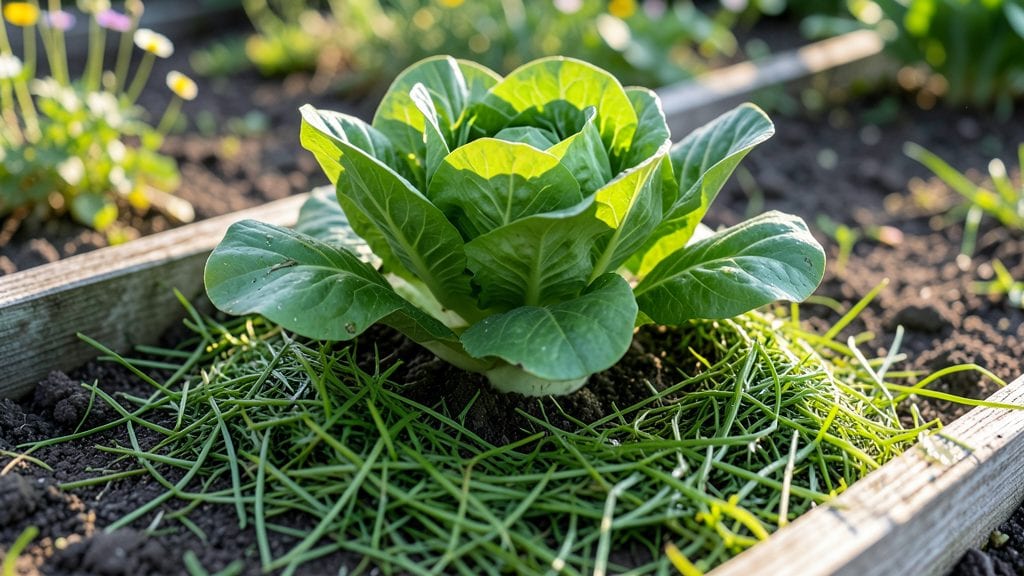
Putting grass clippings in the garden enriches soil by cycling nitrogen and organic material back into the earth while smothering weeds naturally when used as mulch. Apply them in thin layers (¼ inch) to prevent compaction and promote even breakdown.
Grass clippings act like nature's slow-release fertilizer—their high nitrogen content feeds soil microbes, which in turn break down the organic matter into nutrients plants can absorb. 🌱 Unlike synthetic fertilizers, they also improve soil structure by adding porosity, helping roots breathe and water drain better.
I’ve seen gardens where clippings reduced my need for chemical fertilizers by up to 30% over time.
For best results, use clippings when they’re dry to avoid matting, and avoid piling them too thickly near plants sensitive to smothering. A ¼-inch layer is ideal—thicker layers can block sunlight and trap moisture, creating fungal risks.
💡 In This Article
- How Grass Clippings Improve Soil Composition
- Best Practices for Mulching Grass Clippings
How grass clippings improve soil composition
Grass clippings are a powerhouse of organic matter because they're rich in nitrogen—typically containing 2-3% nitrogen by dry weight, which is comparable to many commercial fertilizers. When clippings decompose, soil microbes break them down into ammonium (NH₄⁺), which plants absorb directly or converts to nitrate (NO₃⁻) through nitrification.
This process mirrors how synthetic fertilizers work, but with added benefits: the organic matter also improves soil structure by binding particles together while creating tiny air pockets that enhance root respiration. 🌱
The real magic happens in the microbial ecosystem. Clippings feed beneficial bacteria and fungi that decompose organic material, releasing nutrients like phosphorus and potassium as byproducts. Studies show that gardens using grass clippings as mulch develop 20-30% more microbial biomass than those using synthetic fertilizers alone.
These microbes also produce glomalin, a sticky glycoprotein that helps form stable soil aggregates—think of it as nature's superglue for soil particles. This improves water infiltration by up to 40% compared to compacted soil.
Unlike synthetic fertilizers that provide quick but short-lived nutrient spikes, clippings release nutrients gradually over weeks. This slow-release mechanism prevents nutrient runoff while maintaining consistent soil fertility. The organic matter also increases cation exchange capacity (CEC), which helps retain essential nutrients like calcium and magnesium that would otherwise leach away.
For example, a ¼-inch layer of clippings can add 0.5-1 pound of nitrogen per 100 square feet over a growing season—enough to support healthy vegetable growth without chemical inputs.
Clippings also work as a natural weed suppressant by blocking sunlight from reaching weed seeds, which need light to germinate. This "competitive exclusion" effect can reduce weed growth by 50-70% in garden beds.
The mulch layer also moderates soil temperature swings—keeping roots cooler in summer and warmer in winter—while reducing evaporation by up to 30%. This moisture retention is particularly valuable in drought-prone regions where synthetic fertilizers offer no hydrological benefits.
One often-overlooked advantage is the physical improvement of soil texture. Over time, decomposed clippings create a loamy soil structure that's ideal for root penetration. Unlike synthetic fertilizers that can cause soil acidification over time, clippings help maintain a balanced pH by adding organic acids that buffer soil chemistry.
For instance, a garden amended with clippings over three years might see its pH stabilize in the 6.0-7.0 range, perfect for most vegetables and flowers.
For comparison, synthetic fertilizers provide immediate but temporary nutrient boosts without improving soil structure. A 10-10-10 fertilizer might give plants a quick nitrogen fix, but it doesn't enhance microbial activity or water retention like organic clippings.
The clippings' benefits accumulate over time, creating a self-sustaining system where the garden gradually becomes more fertile with each application. 💫