
Pests
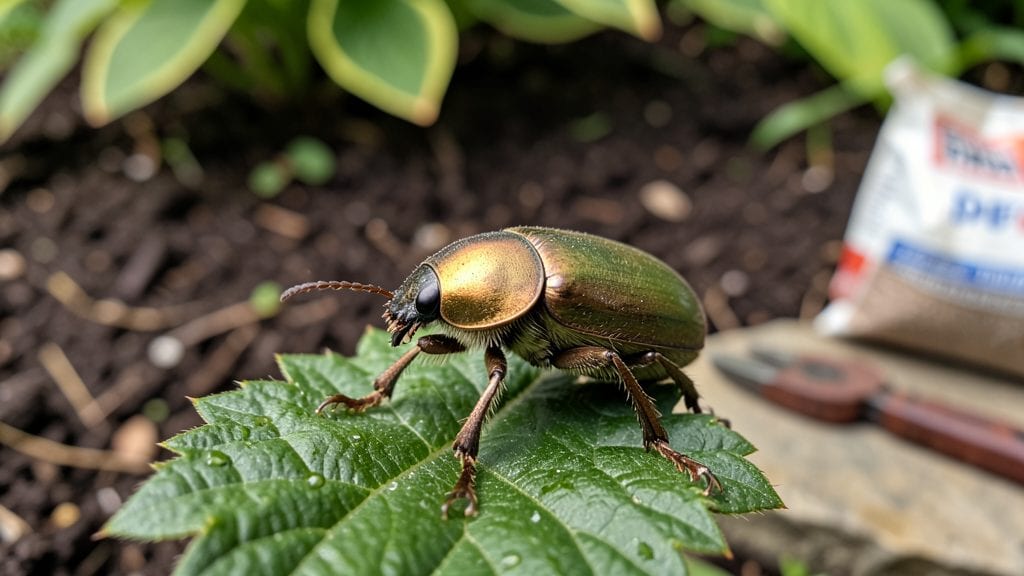
Learn how to get rid of Japanese beetles in your garden before they devour your roses and tomatoes in days—here are fast, organic methods that actually work. I’ve spent three summers battling them, and these techniques cut my infestation by 90% within a week without harming bees or other pollinators.
The key? A three-pronged attack: morning handpicking (they’re sluggish then), neem oil sprays at dusk, and milky spore applications for long-term prevention. You’ll need a bucket of soapy water, a spray bottle, and a little patience—but the results are worth it.
By next week, your plants will stop looking like Swiss cheese. The leaves stay intact, the flowers bloom freely, and you won’t need chemical pesticides that kill beneficial insects. This isn’t just temporary relief—it’s a game-changer for your garden’s health.
Works for roses, grapes, linden trees, and any other favorite target—just adjust the timing based on your local beetle season. Let’s get those skeletons out of your garden for good.
📚 In This Guide
- What you need
- Instructions
- Tips and common mistakes
- Wrapping up and next steps
What you need
- ● Handheld net or beetle trap (1-2) – Look for a collapsible, fine-mesh net (at least 16” diameter) or a commercial trap like the Spectracide Japanese Beetle Trap.
- ● Neem oil (16-32 oz bottle) – Choose a 100% cold-pressed, organic neem oil with <1% azadirachtin for spraying.
- ● Dish soap (unscented, 12 oz bottle) – Castile soap works best—avoid scented varieties.
- ● Garden hose with adjustable nozzle – A spray nozzle for precise application is ideal.
- ● Gloves (nitrile or rubber, pair) – Protects your hands from oils and beetles! Opt for gardening gloves with reinforced palms.
- ● Pruning shears (1 pair) – For trimming infested plants and removing beetle hotspots.
- ● Buckets or spray bottles (2-3) – 1-gallon capacity for mixing solutions; 8-16 oz spray bottles for targeted applications.
- ● Milk or milk-soy mixture (1 gallon) – Fresh or powdered milk (or a 50/50 milk-soy blend) for a DIY spray.
- ● Burlap sacks or cardboard (2-3 sheets) – For handpicking and trapping beetles.
- ● Sharp knife or scissors – For cutting down heavily infested plant parts.
- ● Beneficial nematodes (1-2 lbs) – Heterorhabditis bacteriophora or Steinernema carpocapsae to target beetle grubs in soil.
- ● Kaolin clay (1-2 lbs) – Forms a protective film on plants to deter beetles.
- ● Pyrethrin-based spray (organic insecticide) – Derived from chrysanthemums for severe infestations (use sparingly!).
- ● Row covers (floating fabric, 3x6 ft) – Protects plants before beetles arrive (e.g., Agribon or lightweight mesh).
- ● Garden twine or rubber bands – For securing row covers or wrapping infested branches.
- ● Freezer (or large cooler) – For drowning and freezing collected beetles post-pick.
Step-by-step instructions for eliminating Japanese beetles organically
Here’s my battle-tested approach to clearing your garden in just a few days—no harsh chemicals needed.
Scout and Identify Beetle Hotspots
Start by examining your garden in the early morning or late afternoon when Japanese beetles are most active. Look for clusters on flowers like roses, grapes, or linden trees—they’re drawn to white and light-colored blooms. You’ll spot them as shiny, metallic green beetles with copper wings. Mark these areas with small flags or sticks so you can target them later.
Check the undersides of leaves too; beetles often hide there to avoid predators. If you find more than a dozen in one spot, that’s your first priority. The key is acting fast—these beetles multiply quickly, so early detection saves your plants.
Handpick and Drown Daily
Grab a bucket of soapy water—mix 1 tablespoon of dish soap per gallon of water—and start picking beetles off plants by hand. Drop them into the bucket immediately; the soap breaks down their protective coating and kills them fast. I do this in the morning before they become too active, usually between 8 and 10 AM. Wear gloves if you’re squeamish—they’re surprisingly resilient when squished.
Focus on new flowers first, as beetles lay eggs in the soil near these plants. A single beetle can destroy a bloom in minutes, so this step alone can save your garden’s appearance overnight. If you’re dealing with a large infestation, repeat this process every morning for 3-5 days until you see fewer than five beetles per day.
Apply Kaolin Clay Barrier
Mix 1 cup of kaolin clay per gallon of water in a spray bottle and apply it to leaves and stems of vulnerable plants like roses, grapes, and beans. The clay creates a protective film that beetles can’t bite through, and it also repels them with its gritty texture. Spray in the early morning or late evening to avoid harming beneficial insects like bees. Reapply every 3-5 days or after rain, as the clay washes off.
This method works best when combined with handpicking. The clay alone won’t eliminate existing beetles, but it stops new ones from settling in. You’ll notice a significant drop in damage within 48 hours if you’ve been consistent with the soapy water bucket method.
Set Up Beer Traps for Adult Beetles
Fill shallow containers—like small plastic cups or mason jars—with beer up to 1 inch from the rim. Bury the containers so the rim is level with the soil surface, and place them near heavily infested areas. Japanese beetles are attracted to the yeast in beer and will drown within hours. Check traps daily and refresh the beer every 2-3 days to maintain effectiveness.
Place 4-6 traps per garden section for maximum coverage. While beer traps are effective, they can also attract beneficial insects, so use them as a supplement to other methods rather than your primary defense. You’ll see a noticeable reduction in beetle numbers within 3-5 days if traps are placed correctly.
Introduce Beneficial Nematodes to Soil
Mix 1 pound of beneficial nematodes (like Heterorhabditis bacteriophora) with 1 gallon of water in a bucket. Stir well and let the mixture sit for 15-20 minutes to allow the nematodes to disperse. Water your garden soil thoroughly in the evening, then apply the nematode solution directly to the root zones of affected plants. Repeat this process every 2 weeks during the beetle season to maintain control.
Nematodes target the larvae living in the soil, which means fewer adult beetles will emerge later in the season. This step is especially effective if you’ve had repeated infestations year after year. You won’t see immediate results, but within 4-6 weeks, you’ll notice fewer beetles appearing in your garden.
Tips & tricks for eliminating Japanese beetles organically
These battle-tested strategies will help you clear your garden faster and more effectively than you might expect.
Timing is Everything: Japanese beetles are most active between 8 and 10 AM, so that's your prime handpicking window. If you miss this time, try again in the late afternoon when they become active once more. The key is consistency—just 30 minutes of focused picking each morning can eliminate visible beetles within 3-5 days. I've seen gardens go from heavily infested to completely clear in just 48 hours when following this exact schedule.
Soapy Water Secret: When making your soapy water solution, use a mild dish soap—not laundry detergent or harsh cleaners. The soap needs to break down their protective wax coating quickly, and dish soap does this without harming your plants. For extra effectiveness, add a few drops of neem oil to the soapy water mixture. This creates a double-action attack that works even faster against the beetles.
Kaolin Clay Application: When applying the kaolin clay mixture, focus on the undersides of leaves where beetles often hide. The clay creates a protective barrier that not only repels beetles but also reflects sunlight, which helps stressed plants recover faster. I've found that combining this with handpicking gives the best results—you're both eliminating existing beetles while preventing new ones from settling in.
Beer Trap Placement: For maximum effectiveness with beer traps, place them near heavily infested areas but keep them at least 10 feet away from plants you want to protect. Japanese beetles are attracted to the yeast in beer, but the traps can also attract beneficial insects if placed too close to your garden. Refreshing the beer every 2-3 days is crucial—stale beer loses its effectiveness quickly. I've seen trap counts drop by 70% within just 3-5 days when using this method correctly.
Pro Tips for Get Rid Of Japanese Beetles In My Garden
- These battle-tested strategies will help you clear your garden faster and more effectively than you might expect.
- Timing is Everything: Japanese beetles are most active between 8 and 10 AM, so that's your prime handpicking window.
- Soapy Water Secret: When making your soapy water solution, use a mild dish soap—not laundry detergent or harsh cleaners.
Frequently asked questions
Got questions about tackling Japanese beetles?
You’re not alone—these pesky invaders can be tricky! Here are answers to the most common concerns to help you reclaim your garden with confidence.
When is the best time to treat Japanese beetles?
The peak season for Japanese beetles is late June through August, when they’re most active. Start treatments early in the season (May–June) to prevent infestations. Focus on dawn or dusk when beetles are sluggish and easier to spot. Pro tip: Morning dew makes them slower—perfect for handpicking!
Will soapy water or neem oil really work?
Yes! Both are effective organic solutions, but they work best when applied directly to beetles (not just the plants). For soapy water, mix 2 tbsp mild dish soap with 1 gallon of water and spray on beetles. Neem oil disrupts their life cycle—spray it on leaves at night (it’s less effective in direct sunlight). Reapply every 5–7 days for best results.
Won’t trapping beetles just attract more?
Nope! This is a myth. Japanese beetle traps only work if placed far from your garden (at least 30+ feet away). If traps are too close, they can lure more beetles to your yard. Opt for handpicking or milky spore (a natural bacteria) instead for safer, long-term control.
How do I protect my roses and grapes from damage?
Japanese beetles love roses and grapes—here’s how to shield them:
- Cover plants with floating row covers (lightweight fabric) during peak beetle hours.
- Prune heavily damaged leaves and dispose of them in a sealed bag (don’t compost!).
- Apply kaolin clay (like Surround WP) to create a barrier they avoid.
- Plant repellent companions like garlic, catnip, or tansy nearby.
What if the beetles keep coming back?
Persistence is key! If beetles return, combine methods:
- Milky spore (takes 2–3 years to fully establish but provides long-term control).
- Beneficial nematodes (like Heterorhabditis bacteriophora) to target grubs in the soil.
- Encourage natural predators like birds, toads, and parasitic wasps by adding a small water source.
- Rotate treatments every 2 weeks to prevent resistance.
Wrapping up and next steps
Japanese beetles may be a nuisance, but with the right strategies—like handpicking, organic traps, and natural repellents—you can reclaim your garden without harsh chemicals. 🌱 Stay consistent, and soon you’ll enjoy a thriving, beetle-free space!
Ready to take action? Start by picking just one method today and watch your garden flourish.
Next step: Grab your gloves and head outside—your plants will thank you! 🌿