
Pests and Diseases
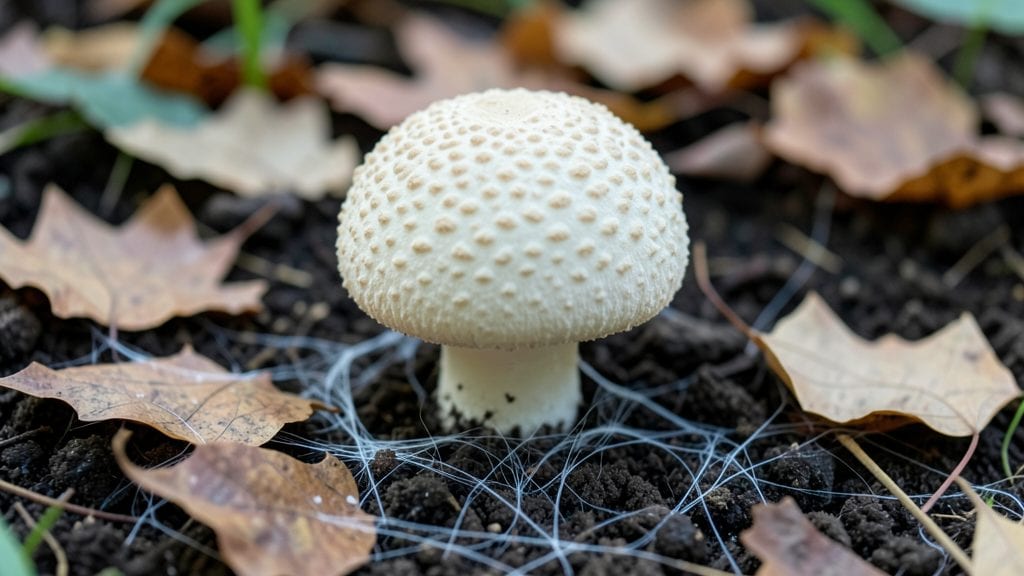
When your garden soil has white fungus, it’s usually harmless powdery mildew or mold—but it could also mean overwatering or drainage issues. First, identify the type: if it’s fungal growth, fix moisture levels, improve airflow, and use organic treatments like neem oil or baking soda to prevent further spread.
White fungus in garden soil often appears as fluffy spots or powdery coatings on plant debris or soil surfaces.
While some types, like mycelium from beneficial fungi, are harmless, others—such as powdery mildew—thrive in damp, stagnant conditions. 🌱 The key is to distinguish between harmless growth and problematic infestations by checking soil moisture and plant health.
Overwatering is the most common culprit, so adjusting irrigation and improving drainage can work wonders before reaching for chemicals.
If you notice plants wilting or yellowing alongside the fungus, act fast: remove affected leaves or mulch, then treat the soil with a 1:10 vinegar-water solution or a 3% hydrogen peroxide spray to kill spores.
For stubborn cases, organic fungicides like neem oil or copper-based sprays are your best bet—just avoid overusing them, as they can disrupt soil ecosystems over time.
💡 In This Article
- Types of White Fungus in Garden Soil and Their Causes
- Safe Removal Methods for White Fungus in Soil
Types of white fungus in garden soil and their causes
The white fungus you're seeing in your garden soil is likely one of three main types, each with distinct characteristics and implications. First, there's powdery mildew, a common airborne pathogen that appears as a white, powdery coating on plant leaves and stems.
This fungus thrives in humid conditions with poor airflow, spreading rapidly when temperatures hover between 60-80°F and moisture lingers on surfaces. 🌿 Unlike beneficial fungi, powdery mildew feeds on living plant tissue, weakening roots and leaves by blocking sunlight and clogging pores.
Another common culprit is mold, often appearing as fuzzy white patches on soil surfaces or decaying organic matter. This typically forms when excess moisture creates anaerobic conditions, preventing soil bacteria from breaking down organic debris. The key difference? Mold grows on dead matter, while powdery mildew targets living plants.
Beneficial mycelium—white thread-like structures from decomposer fungi—is the third type, which actually improves soil health by breaking down nutrients. The texture here is silky rather than powdery, and it's usually found deeper in the soil rather than on surfaces.
What most gardeners don't realize is how quickly these fungi respond to environmental changes. For example, powdery mildew spores can germinate within 4-6 hours of landing on a moist leaf, while mold colonies can double in size every 24 hours under ideal conditions.
The white color comes from fungal spores that reflect light differently than healthy plant tissue, creating that characteristic chalky appearance. 🔍 This visual cue helps distinguish harmless mycelium (which appears more web-like) from problematic growths that look like dusted sugar.
Overwatering creates the perfect breeding ground for these fungi by maintaining consistently damp conditions. When soil stays saturated for more than 24-48 hours, oxygen levels drop below 10%, creating anaerobic zones where aerobic decomposers can't function. This forces fungi to dominate the microbial ecosystem.
The organic debris—like fallen leaves or mulch—provides food sources, while poor drainage prevents excess water from carrying away fungal spores. Interestingly, some white fungi even produce volatile organic compounds that suppress competing microbes, giving them a competitive advantage in moist environments.
Identifying which type you're dealing with starts with examining the location and texture. Powdery mildew appears on plant surfaces, mold forms on dead organic matter, and mycelium creates a web-like network in the soil.
The key factor is plant health: if your plants show yellowing leaves or stunted growth alongside the white growth, you're likely dealing with a pathogenic fungus rather than harmless mycelium. 🌱 In these cases, the fungus isn't just a surface issue—it's actively harming your plants by disrupting their ability to photosynthesize and absorb nutrients.
Here's what's actually happening at the microscopic level: fungal hyphae (thread-like structures) penetrate plant cells, creating entry points for pathogens. Some fungi even produce enzymes that break down plant cell walls, while others inject toxins that trigger leaf drop.
The white color comes from conidia (asexual spores) that form chains on specialized structures called conidiophores, creating that powdery appearance.
Understanding this helps explain why some white fungi are beneficial (like mycorrhizal networks) while others are destructive—it all comes down to their feeding habits and how they interact with living plant tissue.