
Advice
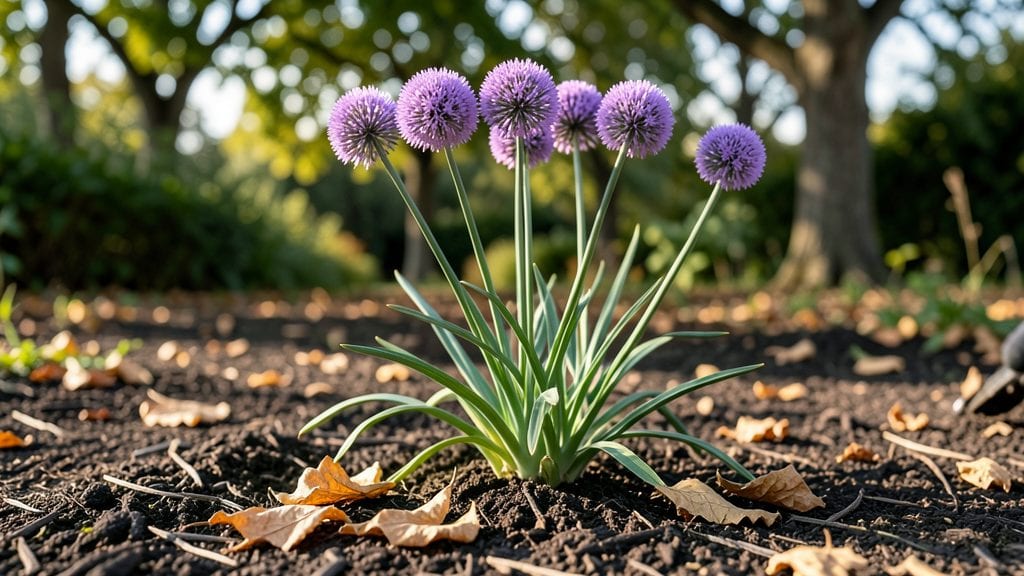
Leaving leaves on garden beds protects soil and feeds nutrients, but removing them prevents pests and disease buildup. Always shred leaves before mulching—thick layers can suffocate plants or create mold.
Whether to keep or remove leaves depends on your garden's health goals.
Shredded leaves create a natural mulch that locks in moisture and feeds soil microbes over time, while whole leaves can block sunlight and trap moisture against plant stems. 🌿 I recommend removing leaves from vegetable beds to prevent fungal issues, but leaving them under shrubs or perennials can create a nutrient-rich blanket for winter.
The key is balance—never let piles exceed 3 inches thick, or you risk smothering roots.
For best results, shred leaves with a lawn mower or mulcher before spreading them evenly. This breaks down the toughest materials faster and prevents matting. If you're unsure, test a small area first—some plants thrive under leaf cover, while others may need the extra airflow.
The right approach depends on your plants and climate, but mulching properly is always a win for soil health.
💡 In This Article
- How Leaf Mulch Improves Garden Soil Health
- When and How to Safely Remove Garden Leaves
How leaf mulch improves garden soil health
When you leave leaves on garden beds, you're essentially creating a slow-release fertilizer factory. As leaves decompose, they break down into humus—a dark, spongy organic matter that improves soil structure.
This process adds 2-5% organic matter annually to your soil, which is comparable to adding 1-2 pounds of compost per 100 square feet each year. The decomposition also stimulates beneficial microbes, including bacteria and fungi, which help break down nutrients into forms plants can absorb.
The texture of leaves plays a crucial role in their effectiveness. Shredded leaves decompose 3-4 times faster than whole leaves because their increased surface area exposes more fibers to microbial activity. For example, oak leaves—high in tannins and carbon—break down slowly but create a dense, moisture-retaining mulch.
Meanwhile, maple leaves, which are softer and richer in nitrogen, decompose quicker and add nutrients faster. The ideal ratio for soil health is about 60% carbon-rich materials (like oak leaves) to 40% nitrogen-rich materials (like maple leaves).
One of the most underrated benefits of leaf mulch is its ability to regulate soil temperature. A 3-inch layer of shredded leaves can keep soil 5-10°F cooler in summer and 5-8°F warmer in winter compared to bare soil. This temperature stability reduces stress on plant roots and encourages deeper growth.
The mulch also acts like a sponge, holding 20-30% more moisture in the soil during dry spells. For instance, in a drought-prone climate, leaf mulch can extend watering intervals by 1-2 weeks compared to unmulched beds.
However, not all leaves are created equal when it comes to soil benefits. Leaves from trees treated with pesticides or diseased plants can introduce harmful chemicals or pathogens into your soil. Always inspect leaves before mulching—avoid those with black spots (fungal diseases) or sticky residues (pesticides).
Even healthy leaves can become problematic if left in thick, unshredded piles. A 6-inch layer of whole leaves can block sunlight and suffocate plants, while the same thickness of shredded leaves provides ideal coverage without smothering.
For maximum benefits, combine leaf mulch with other organic materials. Mixing leaves with grass clippings or compost speeds up decomposition and balances the carbon-to-nitrogen ratio. This creates a microclimate where earthworms thrive—just 1 pound of worms can aerate 1 ton of soil annually while adding nutrient-rich castings.
The result? Soil that's fluffier, more fertile, and better at retaining water and nutrients for your plants.
Think of leaf mulch as nature's way of recycling. Instead of seeing fallen leaves as garden waste, view them as a free, renewable resource that builds soil health over time. With the right approach, you can turn autumn's leaf litter into spring's most valuable garden amendment. 🌱