
Tools
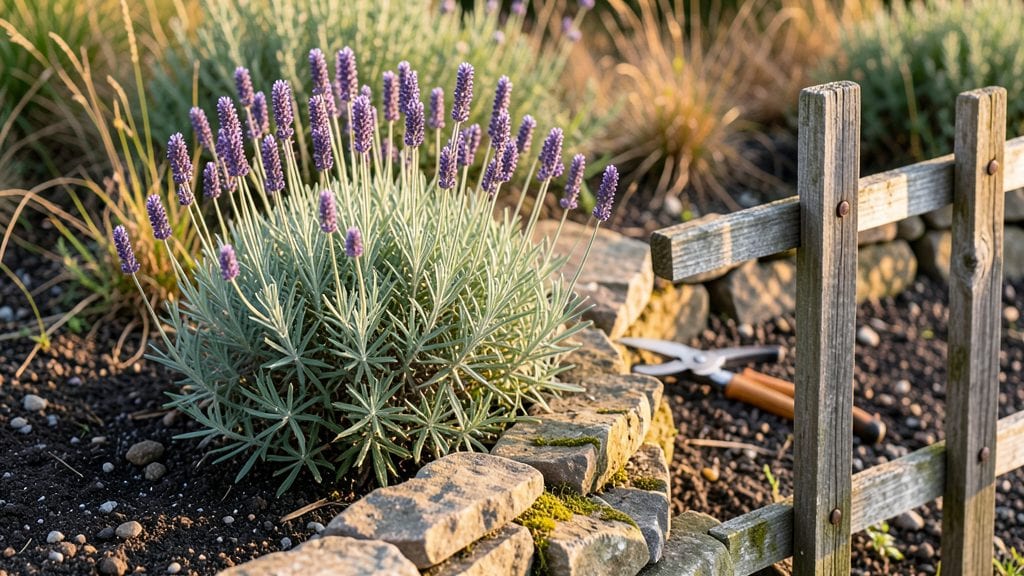
The French kitchen garden layout transforms even small spaces into a structured, productive haven inspired by Renaissance gardens. 🌿 I first encountered this design while researching historic herb gardens, and its precision immediately stood out—geometric beds, box hedges, and gravel paths create both beauty and function.
The key lies in its simplicity: herbs in spirals, vegetables in rectangular blocks, all within arm's reach of the kitchen.
Traditional French gardens prioritize practicality without sacrificing elegance. Think thyme, rosemary, and parsley in raised beds, while carrots, lettuce, and onions occupy neat rectangular plots. Gravel paths between beds keep soil clean and feet dry, while box hedges provide structure and privacy.
The layout works equally well in modern suburban yards or urban balconies, scaled to fit available space.
What you'll achieve is a garden that feels both timeless and tailored to your needs. The geometric precision makes maintenance straightforward, while the proximity to the kitchen encourages regular harvesting.
Fresh herbs and vegetables are never more than a few steps away, and the design's symmetry adds a touch of sophistication to any outdoor space.
Adapting this style to modern gardens is easier than you might think. Use container gardens for herbs if space is limited, or create a mini version with box hedges and gravel paths.
The principles remain the same: organize plants by type, keep paths clear, and let the structure guide your design. Here's how to bring this classic approach to life in your own garden.
📚 In This Guide
- What you need
- Instructions
- Tips and common mistakes
- Wrapping up and next steps
What you need
- ● Containers or Raised Beds: 2–4 12-inch deep pots (for herbs like thyme, rosemary, and parsley).
- ● 1–2 18-inch deep planters (for root veggies like carrots or radishes).
- ○ 1 24-inch square raised bed (optional, for a cohesive layout).
- ● Growing Medium: High-quality potting mix (2–3 bags, depending on container size).
- ● Compost (1–2 cups per pot for nutrient boost).
- ● Perlite or vermiculite (1 cup, for drainage).
- ● Seeds or Seedlings: Herbs: Basil, chives, parsley, thyme, rosemary, and dill (6–10 plants total).
- ● Veggies: Radishes, lettuce, green onions, or cherry tomatoes (4–6 plants).
- ● Tools: Trowel or small hand shovel.
- ● Gloves (to protect your hands!).
- ● Watering can with a rose nozzle (for gentle watering).
- ● Measuring tape or ruler (for spacing plants).
- ● Eggshells or crushed stone (for mulching and pest control).
- ● Trellis or small stakes (for climbing plants like beans or peas).
- ● Organic fertilizer (like fish emulsion or seaweed extract).
- ● Self-watering planters (if you travel often or have a busy schedule).
- ● Decorative stones or pebbles (to add a French bistro touch!).
How to design a classic French kitchen garden layout
This timeless French design maximizes yield in minimal space using geometric precision and companion planting.
🪴 Step 1: Choose a Sunlit Rectangular Plot
Select a 4×8-foot rectangular area with full sun exposure (at least 6-8 hours daily). The French tradition uses raised beds for better drainage and soil control—ideal for compact spaces. Clear all weeds and debris first, then mark the perimeter with stakes and string for precise edges. I always orient the long side north-south to ensure even sunlight distribution across all plants.
French kitchen gardens prioritize symmetry, so divide your plot into four equal quadrants. Each quadrant will focus on a different plant family: greens, root vegetables, alliums, and herbs. This organization prevents overcrowding and makes maintenance intuitive. Use a wooden frame (like cedar) for the bed if you're not working with in-ground soil.
🌱 Step 2: Divide Into Intelligent Planting Zones
Within each quadrant, create narrow raised strips (about 12 inches wide) running east-west. This width allows easy reach from all sides while maximizing growing space. In the northwest quadrant, plant leafy greens like lettuce, spinach, and Swiss chard—they thrive in cooler conditions and benefit from afternoon shade in hot climates.
The southeast quadrant becomes your root vegetable zone for carrots, radishes, and beets. Their long roots need deep, loose soil, so mix in 1-2 inches of coarse sand into the 3 gallons of potting mix you’ve allocated for this section. The remaining two quadrants split between alliums (onions, garlic, leeks) in the northeast and herbs (thyme, rosemary, parsley) in the southwest.
☀️ Step 3: Plant in French-Style Companion Groups
French gardeners group plants by harvest season and companion benefits. Start with early spring crops like peas and radishes in the northwest quadrant, followed by summer greens like kale and collards. In the root zone, stagger plantings so you always have something ready—radishes mature in 30 days, while carrots take 70 days. I plant 3-4 radishes per 12-inch strip, thinning to the strongest seedlings when they reach 2 inches tall.
Herbs get their own 6-inch-wide strips within the southwest quadrant. Plant thyme and rosemary at the edges (they tolerate drought) and parsley and chives in the center where moisture lingers slightly longer. Alliums in the northeast quadrant should be spaced 3 inches apart—onions and garlic repel pests naturally, making them ideal neighbors for greens and herbs.
💧 Step 4: Implement French Watering and Mulching
Water deeply once every 2-3 days in the morning to prevent fungal diseases. French gardens avoid overhead sprinklers—use a soaker hose along the bed’s edges instead. This method delivers moisture directly to roots while keeping leaves dry. After watering, apply a 2-inch layer of straw mulch over the entire bed to retain moisture, suppress weeds, and regulate soil temperature.
I top-dress the soil with compost tea every 4-6 weeks for a gentle nutrient boost without disturbing the plants. The mulch layer also protects shallow-rooted herbs and greens from temperature swings. In hot summers, I add a light shade cloth over the bed during peak afternoon sun to prevent bolting in greens and herbs.
✂️ Step 5: Maintain Through Seasonal Cycles
French kitchen gardens thrive on continuous harvests. Greens and herbs can be snipped as needed—never more than ⅓ of the plant—to encourage bushier growth. In the root zone, harvest radishes first, then thin carrots to 2 inches apart when they reach 1 inch in diameter. Replace early crops with fall varieties like winter spinach or arugula as temperatures drop.
Prune herbs like thyme and rosemary lightly after flowering to maintain their shape and prevent woody stems. Rotate crops annually to prevent soil depletion—never plant the same family in the same quadrant two years in a row. By late fall, remove spent plants, add a 4-inch layer of compost, and cover the bed with cardboard and straw to protect soil microbes over winter.
Tips & tricks for perfect French kitchen garden layouts
French kitchen gardens thrive on precision and foresight—here's how to elevate your design beyond the basics.
Sunlight Strategy: The 6-8 hours of daily sun exposure is non-negotiable for this layout, but here's the secret: position your bed with the long side north-south to ensure consistent light distribution across all quadrants. In hot climates, I recommend adding a lightweight shade cloth during peak afternoon sun (around 12-3 PM) to protect delicate greens and herbs from bolting. This simple adjustment can extend your harvest window by 2-3 weeks in summer.
Soil Preparation Insight: That 3 gallons of potting mix for your root vegetable quadrant needs special attention. I always mix in 1-2 inches of coarse sand to prevent compaction, but here's a pro move: add a handful of perlite to improve drainage and aeration. This creates the loose, crumbly texture root vegetables crave. For the herb quadrant, consider adding a small amount of worm castings—they boost microbial activity without over-fertilizing.
Plant Spacing Precision: The 3 inches between alliums and 12-inch strips for other plants might seem arbitrary, but it's based on mature plant sizes. For radishes in your 12-inch strips, start with 3-4 seeds per strip—you'll thin to the strongest 2-inch-tall seedlings. This spacing ensures each plant gets proper air circulation, reducing disease risk. In the herb quadrant, the 6-inch strips are perfect for thyme and rosemary at the edges where they can spread slightly without crowding.
Seasonal Rotation Secret: The annual crop rotation isn't just about preventing soil depletion—it's a pest management strategy. I keep a simple chart tracking which families go where each year. For example, after growing alliums in the northeast quadrant one year, I'll plant beans there the next—they fix nitrogen in the soil. This systematic approach means I never have to worry about pests building up in any one quadrant over time.
Pro Tips for French Kitchen Garden
- French kitchen gardens thrive on precision and foresight—here's how to elevate your design beyond the basics.
- In hot climates, I recommend adding a lightweight shade cloth during peak afternoon sun (around 12-3 PM) to protect delicate greens and herbs from bolting.
- Soil Preparation Insight: That 3 gallons of potting mix for your root vegetable quadrant needs special attention.
Frequently asked questions
Got questions about creating your own French kitchen garden in a compact space? You’re not alone!
Here are answers to the most common queries to help you design a thriving, space-efficient herb and veggie layout.
What’s the best layout for a French kitchen garden in small spaces?
A classic French kitchen garden uses a grid-like design with narrow beds (3–4 feet wide) for easy access. For compact spaces, opt for intensive planting—stack crops vertically (e.g., trellises for beans or peas) and interplant shallow-rooted herbs (like thyme or chives) between deeper veggies (like carrots or onions). Square-foot gardening is another great method!
How long does it take to see results in a French kitchen garden?
Fast-growing herbs like basil, cilantro, or parsley may sprout in 2–4 weeks, while root veggies (carrots, radishes) take 6–8 weeks. Leafy greens (spinach, lettuce) can be harvested in 4–6 weeks. Patience pays off—plan for a seasonal harvest, and rotate crops yearly for long-term success!
Are there budget-friendly alternatives to traditional French kitchen garden designs?
Skip expensive raised beds and use repurposed materials like wooden pallets, cinder blocks, or even old bathtubs for containers. For soil, mix compost + garden soil (skip pricey potting mixes). Start with herbs and greens, which thrive in small spaces and don’t require deep soil.
How do I keep pests away without chemicals in a French kitchen garden?
French gardens rely on natural pest control! Plant companion crops (e.g., marigolds to deter nematodes, basil to repel mosquitoes). Use row covers for early pests, handpick bugs, or introduce beneficial insects like ladybugs. Mulch with straw to deter weeds and retain moisture—less work, fewer pests!
Can I grow a French kitchen garden in containers or just on the ground?
Yes! Containers are perfect for herbs, lettuce, and dwarf varieties (like bush beans or cherry tomatoes). Use 5-gallon buckets or window boxes for single plants, and ensure drainage holes are present. For ground planting, raised beds or in-ground rows work too—just amend soil with compost for nutrient-rich growth.
Wrapping up and next steps
A French kitchen garden is your ticket to fresh, flavorful harvests—even in small spaces! By embracing the classic quatre carrés layout or vertical gardening, you’ll enjoy homegrown herbs and veggies with minimal fuss. 🌱
Ready to dive in? Start small—pick one or two plants this season, experiment with containers, and let your green thumb grow! Whether you’re a beginner or a seasoned gardener, every square foot counts. Plant your first seeds today!