
Container Gardens
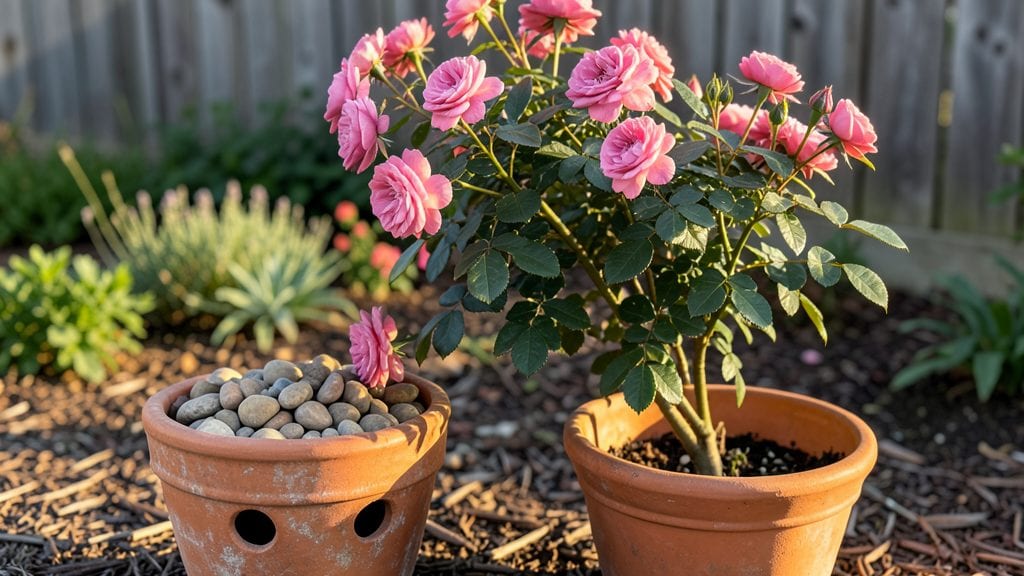
Container gardening roses turns small spaces into fragrant showstoppers—something I learned after my first attempt with a patio rose that outgrew its pot in just two seasons.
The key isn’t just picking the right variety; it’s matching the container, soil, and care to what roses actually need when they’re trapped in a pot. Most people assume roses need deep roots, but container roses thrive when you focus on airflow, drainage, and consistent moisture instead.
You’ll need 5-gallon containers minimum for dwarf roses (like ‘Knock Out’ or ‘Bonica’), with drainage holes and a mix that’s 60% potting soil, 30% perlite, and 10% compost—this prevents soggy roots while holding enough water.
I’ve seen roses in 15-gallon pots produce dozens of blooms all season, even on city balconies where space is tight. The secret is pruning regularly to control size and feeding with balanced fertilizer every 4-6 weeks once blooms start.
By summer, your containers will be bursting with velvety petals and that classic rose perfume, drawing neighbors to ask which variety you’re growing. The trade-off? You’ll water twice daily in heatwaves and watch for spider mites hiding under leaves—but the payoff is worth it.
These roses stay compact, bloom longer, and you skip the backbreaking work of in-ground gardens.
Works for patios, fire escapes, or sunny windowsills—just adjust container size to your rose’s mature height. Here’s how to pick the perfect variety for your space and keep them thriving all season.
📚 In This Guide
- What you need
- Instructions
- Tips and common mistakes
- Wrapping up and next steps
What you need
- ● Container: At least 15-gallon (for dwarf roses) or 25+ gallons (for climbing/standard roses). Use durable, UV-resistant materials like: Fiberglass
- ● Ceramic
- ● Heavy-duty plastic
- ○ Optional: Wooden barrels (line with plastic to prevent rot)
- ● Drainage: 4–6 drainage holes (or drill them yourself)
- ● 2–3 inches of gravel or broken pottery at the bottom
- ● Potting Mix: 1 part high-quality container rose mix (or blend 1/3 garden soil, 1/3 compost, 1/3 perlite/sand)
- ● Roses: Choose container-friendly varieties like: Dwarf: ‘Bonica’, ‘Playboy’
- ● Miniature: ‘Fairy Tale’, ‘Baby Darling’
- ● Climbing: ‘New Dawn’ (in larger pots)
- ● Fertilizer: Slow-release rose fertilizer (e.g., Osmocote) or liquid organic feed (fish emulsion, seaweed extract)
- ● Support: Stakes or cages (for climbing roses)
- ● Trellis (for vertical growth)
- ● Mulch: 2–3 inches of pine bark or straw to retain moisture
- ● Self-watering system: Drip irrigation or wicking bed for consistency
- ● Epsom salt: 1 tablespoon/month for magnesium boost
- ● Pest control: Neem oil or insecticidal soap
- ● Decorative elements: Paint, pebbles, or solar lights for charm!
Step-by-step instructions for growing roses in containers
Here’s how to grow stunning, fragrant roses in containers—no yard required.
Select the Right Containers and Drainage
Choose containers that are at least 18-24 inches deep and 12-15 inches wide for each rose bush, since roses need ample root space. I recommend fabric grow bags or glazed ceramic pots with drainage holes—roses despise soggy roots. If your chosen container lacks drainage, drill 2-3 additional holes near the bottom to prevent waterlogging.
Place a 3-inch layer of gravel or broken pottery at the bottom before adding soil. This creates a reservoir for excess water while keeping roots elevated. The key here is airflow—roses thrive when their roots aren’t suffocating in compacted soil or sitting in standing water.
Use a Well-Draining, Nutrient-Rich Soil Mix
Fill the container with a 50-50 blend of high-quality potting mix and perlite or coarse sand—this ensures excellent drainage while retaining moisture. I avoid garden soil entirely, as it compacts in containers and can harbor diseases. Amend the mix with 2 cups of compost or slow-release organic fertilizer per container to provide essential nutrients without burning tender roots.
Moisten the soil thoroughly before planting, but avoid oversaturating it. You’ll know it’s ready when water drains freely through the bottom holes and the surface feels damp but not soggy. This step sets the foundation for healthy root development—skimp here, and your roses will struggle later.
Plant Bare-Root Roses at the Correct Depth
Soak bare-root roses in lukewarm water for 2-3 hours before planting to rehydrate the roots. Dig a hole deep enough to bury the graft union (the swollen area near the base of the stem) 1-2 inches below soil level. This ensures the rose grows vigorously from the stronger rootstock rather than the weaker scion.
Position the plant so the graft union faces outward—this makes it easier to monitor for signs of stress or disease. Backfill the hole with soil, pressing gently to eliminate air pockets. Water deeply to settle the soil and remove any gaps around the roots. The goal is to create a snug fit without compacting the soil too tightly.
Provide Full Sun and Consistent Watering
Place your containers in a location that receives at least 6-8 hours of direct sunlight daily. Roses are sun-worshippers, and insufficient light leads to weak stems, sparse blooms, and leggy growth. If you’re growing in partial shade, choose disease-resistant varieties like ‘Knock Out’ or ‘Dr. Huey’—they tolerate less sun better than hybrid teas.
Water deeply 2-3 times per week, ensuring the soil dries slightly between waterings. Stick your finger 1-2 inches into the soil—if it feels dry, it’s time to water. Avoid wetting the foliage when possible, as damp leaves invite fungal diseases like black spot. Mulch the soil surface with 1-2 inches of bark or straw to retain moisture and regulate temperature.
Prune and Fertilize for Continuous Blooms
Prune roses in early spring and again after the first flush of blooms to encourage bushier growth and more flowers. Cut back one-third of the oldest canes to the ground and trim any dead, diseased, or crossing branches. Always make cuts at a 45-degree angle just above an outward-facing bud to promote healthy regrowth.
Feed your container roses with a balanced liquid fertilizer every 4-6 weeks during the growing season. I switch to a low-phosphorus formula in late summer to prevent excessive foliage at the expense of blooms. Monitor for signs of nutrient deficiency—yellowing leaves often signal nitrogen deficiency, while sparse blooms may indicate a phosphorus shortage.
Tips & tricks for perfect container-grown roses
Growing roses in containers requires attention to detail, but these insights will help you avoid common pitfalls and cultivate thriving, fragrant blooms.
Container Selection Matters: While the instructions specify 18-24 inches deep, I recommend opting for containers with built-in saucers or placing them on elevated trays to catch excess water. This prevents root rot, especially during the 2-3 hours of initial watering when you're soaking bare-root roses. The extra depth gives roots room to establish without becoming waterlogged—a critical factor for container gardening success.
Soil Mix Secrets: The 50-50 blend of potting mix and perlite is non-negotiable, but here's the trick: add a handful of worm castings to that 2 cups of compost. Worm castings improve microbial activity in the soil, which helps roots absorb nutrients more efficiently. This small addition makes a noticeable difference in how quickly your roses establish themselves after planting.
Pruning Precision: When you're cutting back one-third of the oldest canes during pruning, focus on making clean cuts just above an outward-facing bud. This technique encourages bushier growth and more flowers. I also recommend sterilizing your pruners with rubbing alcohol between cuts—this prevents spreading disease from infected canes to healthy ones, a common oversight that can derail your container roses' progress.
Sunlight Strategy: The 6-8 hours of direct sunlight requirement is essential, but placement matters just as much. If you're limited on space, consider using reflective surfaces like white walls or mirrors to bounce extra light onto your containers. This can help compensate for slightly less direct sunlight, especially if you're growing varieties that prefer full sun but must settle for partial shade conditions.
Pro Tips for Container Gardening Roses
- Growing roses in containers requires attention to detail, but these insights will help you avoid common pitfalls and cultivate thriving, fragrant blooms.
- Container Selection Matters: While the instructions specify 18-24 inches deep, I recommend opting for containers with built-in saucers or placing them on elevated trays to catch excess water.
- Soil Mix Secrets: The 50-50 blend of potting mix and perlite is non-negotiable, but here's the trick: add a handful of worm castings to that 2 cups of compost.
Frequently asked questions
Got questions about growing roses in containers?
You’re not alone! Here are some of the most common queries—and their practical solutions—to help you cultivate stunning, fragrant blooms without the fuss.
What’s the best container size for roses?
For most rose varieties, aim for a minimum of 15–20 gallons—think large pots (18–24 inches wide) or half whiskey barrels. Dwarf roses thrive in smaller containers (10+ gallons), while climbers or hybrid teas need deeper roots. Pro tip: Add drainage holes and a sturdy saucer to prevent soggy soil!
When is the best time to plant container roses?
Plant in early spring (after the last frost) or early fall (6–8 weeks before your first frost). Avoid summer heat—roots struggle to establish in extreme temps. If buying potted roses, transplant them immediately to avoid root shock.
Can I grow roses in containers year-round?
In cold climates, move containers to a protected spot (garage, shed, or insulated wrap) when temps drop below 20°F. For warmer zones, keep them outdoors but mulch heavily. Warning: Overwatering in winter can lead to root rot—let soil dry slightly between waterings.
How do I keep pests and diseases away from container roses?
Prevent issues with:
- Pruning: Remove dead/diseased foliage regularly.
- Watering: Avoid overhead sprinklers (use drip irrigation).
- Soil: Use sterile potting mix and add compost for resilience.
- Beneficials: Introduce ladybugs or neem oil for aphids.
Do container roses need special fertilizer?
Yes! Use a balanced, slow-release fertilizer (like 10-10-10) at planting, then switch to a rose-specific formula (high in phosphorus for blooms) every 4–6 weeks. Feed lightly in winter—roses rest then! Bonus: Fish emulsion or compost tea boosts organic nutrients.
Can I reuse the same container for roses every year?
Just sterilize it first—scrub with a 10% bleach solution, rinse well, and refill with fresh potting mix. Warning: Don’t reuse soil—old mix may harbor pests or diseases. Rotate containers yearly to prevent nutrient depletion.
Wrapping up and next steps
Container gardening roses is all about transforming small spaces into fragrant, blooming havens—proving that big beauty doesn’t need big plots! With the right variety, soil, and care, you’ll enjoy lush roses year after year, whether on a balcony, patio, or windowsill. 🌹
Ready to dive in? Start small: pick a compact rose, gather your supplies, and plant with confidence. Before you know it, your containers will burst with color—and maybe even a few compliments from neighbors! Happy gardening!