Landscaping
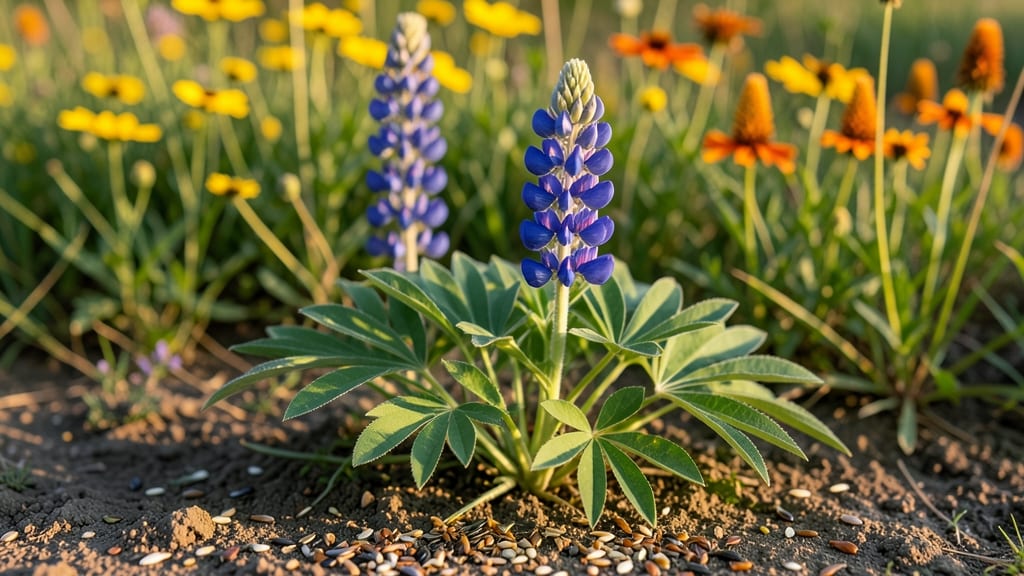
A wildflower garden design that thrives all season long starts with the right mix of native plants and intentional placement. 🌼 I learned the hard way that tossing seeds randomly leads to patchy blooms—until I mapped out sun exposure, soil types, and pollinator needs first.
The payoff? A garden that buzzes with bees from spring through frost, with zero effort after the initial setup.
Begin with a 30% native wildflower seed mix (locally sourced for best results) and layer it in zones: tall grasses like switchgrass at the back, mid-height coneflowers in the middle, and low-growing clover or phlox up front.
Most wildflowers need well-draining soil, so amend heavy clay with compost or use raised beds if needed. The secret to long-term success? Mulch lightly after planting to suppress weeds without smothering new growth.
By summer, you’ll have a tapestry of color—deep purples, sunny yellows, and soft whites—that shifts with the seasons. Hummingbirds will hover over bee balm in July while monarchs sip nectar from milkweed in August. Even the "messy" look becomes intentional when you design for pollinator pathways instead of perfect rows.
This approach works for small urban yards or open meadows—just adjust the scale. The key is letting nature take over once the foundation is set. Ready to turn your corner of the world into a thriving ecosystem? Let’s sketch out your design.
📚 In This Guide
- What you need
- Instructions
- Tips and common mistakes
- Wrapping up and next steps
What you need
- ● Wildflower seeds: Choose native species (e.g., black-eyed Susan, coneflower, milkweed). Aim for 5–10 lbs per 100 sq ft for full coverage.
- ● Soil amendments: Compost (2–3 inches, mixed into topsoil)
- ● Organic mulch (straw or shredded leaves, 1–2 inches)
- ● Tools: Garden fork or tiller (for loosening soil)
- ● Rake (for leveling ground)
- ● Hoe or hand weeder (for prep work)
- ● Watering can or hose with adjustable nozzle
- ● Erosion control: Jute netting or biodegradable erosion blankets for slopes.
- ● Drip irrigation: Save water with a low-volume system (e.g., 1–2 GPM per zone).
- ● Pollinator-friendly add-ons: Rocks or logs (for habitat)
- ● Birdhouses or bat boxes
- ● Design markers: Stakes or flags to map seed zones (if layering heights/colors).
- ● Full-sun location (6+ hours/day) or partial shade (for woodland wildflowers).
- ● Well-draining soil (amend clay with sand; improve sandy soil with compost).
- ● Local climate knowledge (check USDA hardiness zone for seed selection).
Instructions for designing a pollinator-friendly wildflower garden
Here's my approach to creating a thriving wildflower meadow that blooms from spring through fall.
🌱 Step 1: Choose Your Planting Location
Select a sunny spot that gets at least 6 hours of direct sunlight daily. Wildflowers need full sun to thrive, so avoid shady areas where they'll stretch and weaken. I always test the site for a full week first—watch how the sun moves across the space at different times of day.
Check the soil drainage by digging a 6-inch hole and filling it with water. If it drains completely within 4 hours, your soil is suitable. If water pools, you'll need to amend with 2-3 inches of compost to improve drainage. Poor drainage is the #1 reason wildflowers fail.
☀️ Step 2: Plan Your Seasonal Layers
Design three distinct layers for continuous blooms: early spring bloomers like lupine and phlox, mid-season favorites such as black-eyed Susan and coneflower, and late-season stars like goldenrod and asters. I sketch a simple map dividing the space into thirds—each third gets a different bloom time focus.
Include at least 30% native species in your mix. Native wildflowers require less water and support local pollinators better than non-native varieties. For example, purple coneflower blooms from summer through fall while providing nectar for bees and butterflies.
💧 Step 3: Prepare the Soil
Remove any existing grass or weeds by smothering with 6-8 layers of cardboard or a thick layer of landscape fabric for 4-6 weeks before planting. This kills weeds without chemicals. After the area is clear, loosen the top 6 inches of soil with a garden fork or tiller.
Spread a 1-inch layer of compost over the prepared area and work it into the top 3 inches of soil. Avoid using garden soil—it's too heavy and can suffocate wildflower seeds. Instead, mix in some sand or perlite if your soil feels compacted when squeezed.
🌿 Step 4: Plant Your Wildflower Mix
Scatter seeds evenly across the prepared area, aiming for 10-15 seeds per square foot. I like to mix seeds with a little sand first—this helps distribute them more uniformly. Lightly rake the area to cover seeds with ¼ inch of soil or a thin layer of mulch.
Water gently but thoroughly right after planting to settle the seeds into the soil. Keep the area moist but not soggy for the first 2-3 weeks—this is critical for germination. You'll see tiny green shoots appear within 10-21 days, depending on the species and weather.
✂️ Step 5: Maintain and Encourage Growth
Once seedlings reach 3-4 inches tall, reduce watering to once weekly unless your area experiences extreme heat or drought. Wildflowers are drought-tolerant once established, but young plants need consistent moisture. I always water in the early morning to prevent fungal diseases.
Let the flowers go to seed at the end of the season—they'll self-sow and create new plants naturally. In late fall or early winter, mow the area back to 2-3 inches to remove dead foliage and prevent weeds from taking over. This simple step keeps your wildflower garden looking tidy and ready for the next growing season.
Tips & tricks for perfect wildflower garden design
Creating a thriving pollinator-friendly meadow takes more than just planting seeds—it's about setting up the perfect conditions for success. Here are my go-to strategies to ensure your wildflower garden thrives from spring through fall.
Sunlight Strategy: In Step 1, when choosing your location, I can't stress enough how critical those 6 hours of direct sunlight are. Wildflowers need full sun to develop strong stems and vibrant blooms. If your area gets partial shade, consider creating raised beds or containers that can be moved to follow the sun's path throughout the day. Trust me, this small adjustment makes a huge difference in plant health and bloom abundance.
Soil Prep Secret: The 4-6 week smothering period in Step 3 might seem long, but it's worth it. I've found that adding 1 inch of compost and mixing in sand or perlite creates the perfect balance—light enough for roots to spread but with enough nutrients to support growth. For clay-heavy soils, I recommend adding an extra ½ inch of sand to improve drainage even more.
Planting Precision: When scattering seeds in Step 4, I've developed a simple trick to ensure even distribution: mix your seeds with sand in a 1:3 ratio before spreading. This creates a visual guide so you can see exactly where you've planted. Also, that ¼ inch soil coverage is perfect—don't bury seeds deeper, as they need light to germinate. A light mulch layer works beautifully for this.
Watering Wisdom: The critical 2-3 weeks of consistent moisture in Step 4 is where most gardens fail. I use a gentle sprinkler system set on a timer for early mornings to maintain that perfect moisture level without creating soggy conditions. Once seedlings reach 3-4 inches, I switch to deep watering once weekly to encourage strong root development.
Pro Tips for Wildflower Garden Design
- Creating a thriving pollinator-friendly meadow takes more than just planting seeds—it's about setting up the perfect ...
- Sunlight Strategy: In Step 1, when choosing your location, I can't stress enough how critical those 6 hours of direct...
- Soil Prep Secret: The 4-6 week smothering period in Step 3 might seem long, but it's worth it. I've found that adding...
Frequently asked questions
Got questions about creating a thriving wildflower garden design? You’re not alone—here are answers to the most common queries to help you plan with confidence!
What’s the best time of year to plant wildflowers?
Most wildflowers thrive when planted in early spring or fall (4–6 weeks before the first frost). This gives roots time to establish before extreme heat or cold. For annuals, spring planting ensures summer blooms, while perennials often do best in fall for a head start. Check your seed packets for species-specific timing!
How long does it take for a wildflower garden to bloom?
Timing varies! Annuals (like cosmos or zinnias) may bloom in as little as 6–8 weeks, while perennials (e.g., black-eyed Susans) can take 1–2 seasons to reach full glory. Mixing fast- and slow-bloomers ensures color from spring to frost. Patience pays off—once established, many perennials return year after year!
Will wildflowers attract pests like mosquitoes?
Not necessarily! Wildflowers attract pollinators (bees, butterflies), not mosquitoes. To deter pests, avoid stagnant water and choose native species (they’re adapted to local ecosystems). If mosquitoes are a concern, add citronella-scented plants (like lemongrass or catnip) to the edges of your garden.
Are wildflower gardens low-maintenance? What’s the catch?
Yes, but not zero-maintenance! Wildflowers thrive with minimal watering once established (deep soaks 1–2x/week) and no fertilizers. The catch? Weeding may be more frequent in early years until wildflowers outcompete grasses. Mowing once or twice per year (after blooming) keeps growth tidy. Pro tip: Use mulch or ground covers to suppress weeds naturally!
Can I mix wildflowers with other plants (like vegetables or shrubs)?
Wildflowers pair beautifully with vegetable gardens (they deter pests and attract pollinators) or shrubs/trees (add vertical interest). For example, plant borage near tomatoes or lupines under fruit trees. Just avoid overcrowding—wildflowers need 6–12 inches of space to spread. Bonus: Native grasses (like switchgrass) add texture without competing with blooms.
How do I prepare wildflowers for winter?
Most perennials are hardy and self-sufficient—just leave seed heads for wildlife and mulch lightly (2–3 inches) in late fall to protect roots. Annuals die back naturally; cut back dead foliage in spring. In extreme cold zones, add extra mulch or a light frost cloth for tender species. Spring cleanup: Trim back old growth, but leave some stems for seed dispersal!
Wrapping up and next steps
Designing a wildflower garden isn’t just about beauty—it’s about creating a thriving ecosystem that supports pollinators and brings joy season after season. 🌸 By layering plants, choosing native varieties, and embracing low-maintenance techniques, you’ll craft a vibrant, sustainable space that flourishes with minimal effort.
Whether you’re a beginner or a seasoned gardener, every bloom is a step toward a healthier planet and a happier you!
Ready to dive in? Start small—pick a sunny patch, gather your seeds, and let nature do the rest. Your wildflower garden awaits! 🌿