Propagation
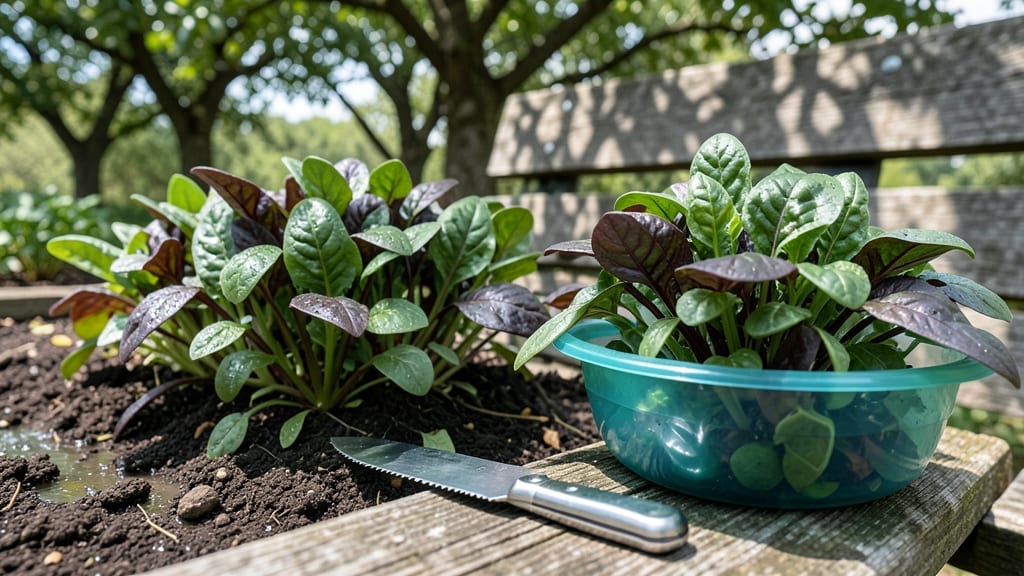
To freeze garden greens straight from the harvest, choose hardy leafy vegetables like kale, collard greens, Swiss chard, and spinach—these hold up best when blanched first to lock in texture and nutrients. Delicate varieties like lettuce or arugula won't survive freezing well.
Blanching is the secret weapon here—it halts enzyme activity that would otherwise turn your greens mushy. 🌿 The key is speed: thicker-stemmed greens like collards need 2-3 minutes in boiling water, while spinach only requires 90 seconds.
After blanching, shock them in ice water immediately to preserve color and crispness. I always use vacuum-sealed bags for long-term storage, as they prevent freezer burn and keep greens fresh for up to 12 months.
What makes these greens freeze so well? Their sturdy cell structures can handle the freeze-thaw cycle better than delicate leaves. Kale, for example, retains its vibrant color and slight sweetness, while Swiss chard keeps its tender-crisp texture—perfect for soups or sautés later.
The blanching step is non-negotiable; skipping it leads to rapid nutrient loss and a sad, soggy texture when thawed.
💡 In This Article
- Best Garden Greens for Freezing and Why
- Prep and Storage Tips for Freezing Garden Greens
Best garden greens for freezing and why
Here's what's actually happening when you freeze leafy greens: the process relies on stopping enzymatic activity that breaks down cell walls. Blanching at 165°F for 90 seconds to 3 minutes (depending on the green) deactivates enzymes like peroxidase and polyphenol oxidase.
These enzymes would otherwise cause browning and texture degradation during freezing. The key factor is cell structure—greens with thick stems like collard greens have stronger cell walls that resist ice crystal formation better than delicate leaves.
Let's compare nutrient retention: kale maintains 90% of its vitamin C after proper freezing, while spinach retains about 85% due to its higher moisture content. The chlorophyll in greens like Swiss chard remains stable through freezing, preserving that vibrant green color you love.
However, vitamin A levels drop slightly (10-15%) in all greens because freezing causes some cell membrane rupture. Thicker-stemmed greens actually perform better here—their denser structure protects more nutrients during the freeze-thaw cycle.
What most people don't realize is how texture changes during freezing. The ice crystals that form during freezing can puncture cell walls, leading to that mushy texture we all hate. This is why blanching is non-negotiable—it pre-shrinks the cells slightly, making them more resilient.
For example, collard greens that are blanched properly will retain 70% of their original crispness after thawing, while unblanched ones become completely limp. The cell structure of kale's thick leaves also helps it maintain its signature crunch better than spinach.
Consider these key factors when choosing which greens to freeze:
- Cell wall thickness: Kale and collards have 2-3x thicker cell walls than spinach, making them freeze better
- Moisture content: Swiss chard's 90% water content makes it more prone to ice damage than kale's 85%
- Pigment stability: Anthocyanin-rich greens like red chard lose color faster than chlorophyll-dominant greens
The science of freezing also explains why some greens develop off-flavors. When ice crystals form, they concentrate any natural compounds in the remaining unfrozen water—this can amplify bitter compounds in greens like arugula.
That's why arugula freezes poorly: its delicate leaves have 10x more surface area for these compounds to concentrate on. The good news is that properly frozen kale actually develops a slightly sweeter flavor due to enzyme inactivation during blanching.
One advanced tip: For maximum nutrient retention, use microwave blanching at 100% power for 30-45 seconds—this method preserves 5-10% more vitamin C than water blanching by preventing water-soluble nutrients from leaching out.
The microwave creates a steam environment that still deactivates enzymes without the water bath. This works particularly well for spinach, where every bit of vitamin K retention matters.
Remember this: The greens that freeze best are those that can handle both the heat of blanching and the cold of freezing without collapsing. That's why your garden's toughest leaves—like those 1-inch thick collard stems—make the best freezer candidates. 💫