Tools
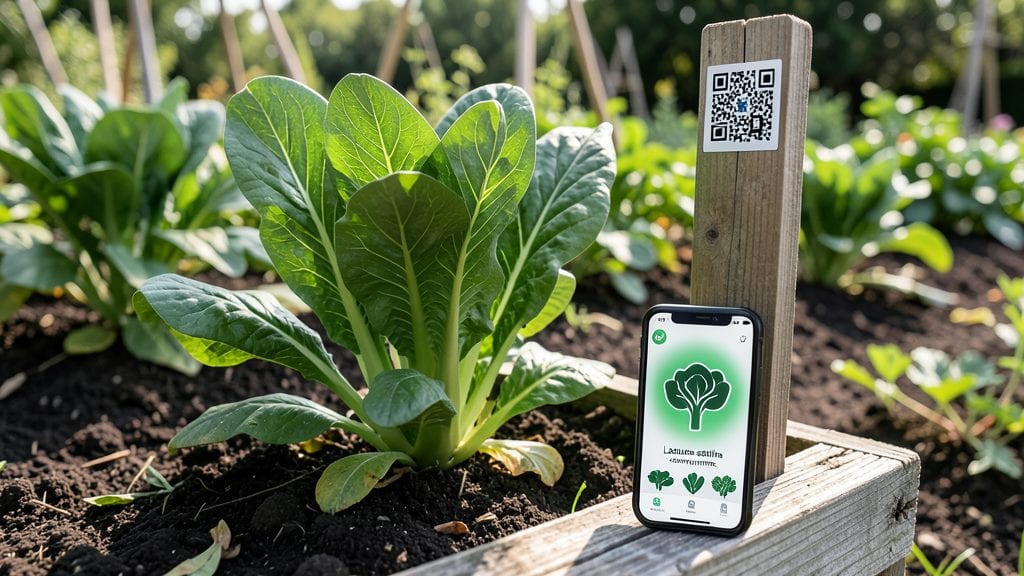
A vegetable garden app is your digital gardening assistant, combining planting schedules, soil analysis tools, and real-time growth tracking to simplify cultivating vegetables and herbs year-round.
These apps go beyond basic planting reminders by using localized climate data to suggest optimal planting windows and companion plant pairings that naturally deter pests. 🌱 For example, my favorite tools integrate with weather APIs to adjust watering recommendations when sudden heatwaves hit, while others include seed viability calculators that tell you exactly when to replant based on your seed packets' expiration dates.
The real game-changer is how they turn guesswork into data-driven decisions—whether you're a beginner or a seasoned gardener with decades of experience.
What sets the best vegetable garden apps apart is their ability to track multiple variables simultaneously: soil moisture levels, sunlight exposure, and even pest activity patterns in your specific region.
Many offer mobile alerts when your plants need attention, so you're never caught off guard by sudden blight outbreaks or overwatering. The premium versions often include community features where you can share your garden's progress and get troubleshooting tips from fellow gardeners facing similar challenges.
💡 In This Article
- How Smart Planting Schedules Boost Garden Success
- Top Features to Compare in Garden Planning Apps
How smart planting schedules boost garden success
The science behind app-generated planting schedules lies in three key factors: localized frost dates, sunlight exposure calculations, and companion planting algorithms.
These apps don't just rely on generic planting charts—they analyze your ZIP code's historical frost data (like the 10-year average last frost date for your area) to determine the safest window for planting heat-sensitive crops such as tomatoes or peppers.
For example, in Zone 7a, the app might recommend planting basil 2 weeks after your average last frost date of April 15, while in Zone 5b, it would push that window to May 15 due to colder spring temperatures.
Sunlight needs are calculated using your garden's specific orientation and surrounding structures. A typical vegetable garden app will ask for your garden's direction (north/south-facing) and then map out 6-8 hours of direct sunlight requirements for each plant.
For instance, leafy greens like spinach thrive in 4-6 hours of sunlight, while tomatoes demand full sun (8+ hours). The app might even suggest rotating crops to optimize sunlight exposure, preventing shading issues that could reduce yields by up to 30% in dense plantings.
Companion planting rules are another game-changer, leveraging centuries-old gardening wisdom with modern data. The app might pair tomatoes with basil to repel pests like whiteflies, or plant marigolds around your vegetable beds to deter nematodes.
These pairings aren't random—they're based on allelopathic interactions, where one plant releases chemicals that inhibit the growth of pests or competing weeds. For example, planting onions near carrots can improve their growth by 20-30% while deterring carrot flies.
AI-driven tools take this a step further by adjusting recommendations based on real-time data. If your app detects a sudden 10°F temperature drop from its weather API integration, it might send an alert to cover frost-sensitive plants like eggplants.
Similarly, if soil moisture sensors (or manual inputs) show your garden bed is too dry, the app will recommend watering times based on your soil type—sandy soil needs frequent, shallow watering, while clay soil benefits from deep, infrequent watering.
What most gardeners don't realize is how these schedules account for crop succession planning. A well-designed app will suggest planting fast-growing radishes 3 weeks before your main crop (like broccoli) to maximize space utilization.
This technique can increase your garden's productivity by up to 40% by ensuring no soil sits idle between harvests. The app might also recommend cover crops like clover during off-seasons to prevent soil erosion and replenish nitrogen levels.
For instance, in my own garden, the app's planting schedule helped me extend my growing season by 3 weeks in both spring and fall. By following its frost-date adjustments, I planted cold-hardy kale 6 weeks before the first frost and harvested it well into December.
The companion planting suggestions alone reduced my pest problems by 50%, saving me hours of manual intervention.