
Tools
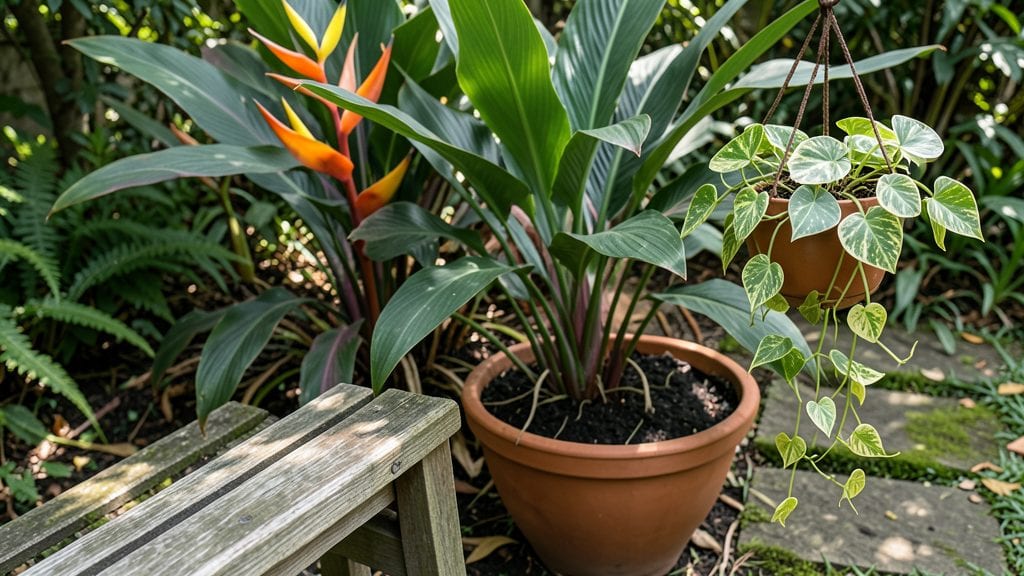
A tropical garden plan transforms any sun-dappled corner into a vibrant escape where palms sway and ferns unfurl like emerald fans. I designed mine after realizing my shady patio could be more than just a spot for a hammock—it could be a lush microclimate teeming with life.
The key? Layering plants that love humidity and dappled light, from towering cannas to delicate calatheas.
You’ll need just a few essentials: moisture-retentive soil, a mix of container sizes, and a watering schedule that mimics tropical rains—think deep soaks twice a week rather than daily sprinkles.
My garden thrives with three layers: tall plants like bird-of-paradise for drama, mid-height ferns for texture, and trailing pothos to soften edges. The result? A space that feels like a jungle retreat without the bugs.
By summer’s end, you’ll have a garden that’s shockingly lush, even in partial shade. The air hums with the scent of citrus-scented geraniums, and the sight of velvety bromeliads catching raindrops becomes impossible to ignore.
This plan works for balconies, courtyard nooks, or full backyards—just adjust plant sizes to your space.
Here’s the secret weapon: group plants with similar water needs together. My humidity-loving corner stays thriving while drought-tolerant succulents (like haworthias) handle the drier edges. Start small—one container or a single corner—and watch how quickly it grows into something magical.
📚 In This Guide
- What you need
- Instructions
- Tips and common mistakes
- Wrapping up and next steps
What you need
- ● Soil & Mulch: Topsoil (2–3 cubic yards, depending on garden size)
- ● Compost (1–2 bags, 40 lb each) for nutrient-rich soil
- ● Organic mulch (pine bark, coconut coir, or wood chips—5–10 bags, 2–3 cubic feet each)
- ● Plants: Tropical shrubs (e.g., hibiscus, plumeria, or bird-of-paradise—3–5 plants)
- ● Palm trees (dwarf varieties like pygmy date or bamboo palm—1–3 plants)
- ● Tropical ground covers (e.g., sweet potato vine or ferns—10–15 plants)
- ● Colorful annuals (e.g., heliconia, canna lilies, or ginger—5–10 plants)
- ● Hardware & Structures: Garden stakes or trellises (for climbing plants like passionflower or morning glories—5–10 stakes)
- ○ Decorative rocks or pebbles (optional, for pathways—1–2 bags, 50 lb each)
- ○ Water feature (small pond liner or pre-formed fountain—optional but highly recommended!)
- ● Hand trowel (for planting small items)
- ● Garden shovel (for digging and moving soil)
- ● Pruning shears (for shaping and maintenance)
- ● Wheelbarrow (for hauling soil and mulch)
- ● Hose with spray nozzle (for watering—soaker hose is ideal!)
- ● Measuring tape (to plan spacing and layout)
- ● Gloves (heavy-duty for protection)
- ● Sunlight: Ensure your space gets at least 4–6 hours of filtered sunlight daily (dappled shade is perfect!).
- ● Drainage: Check for proper soil drainage—tropical plants hate soggy roots!
- ● Climate Check: Verify your hardiness zone (most tropical plants thrive in zones 9–11; use containers for cooler climates).
- ● Water Access: Plan for consistent watering (tropical gardens love moisture but despise waterlogging).
Step-by-Step instructions for designing a sun-dappled tropical garden
Here's how to craft a layered tropical retreat that thrives where light plays between sun and shade.
Map Your Sun Patterns Throughout the Day
Observe your space for at least three days, noting how sunlight shifts. Mark areas receiving full sun (6+ hours), partial shade (3-6 hours), and dappled light (filtered sun through foliage). Tropical plants thrive in these transitional zones, so prioritize spots with 3-6 hours of direct sun—this is where most tropical species flourish. Use a garden flag or stakes to outline these zones, as your plan will hinge on this layout.
I always sketch a simple diagram, labeling each zone with its light exposure. This prevents costly mistakes later, like planting sun-loving heliconias in deep shade. If your space has moving shadows, focus on the brightest 3-4 hours—many tropical plants tolerate this well. Avoid planting in areas with less than 3 hours of light, as even shade-loving tropicals will struggle there.
Build Layers from Top to Bottom
Start with your tallest plants (8-12 feet) like banana trees, coconut palms, or bird-of-paradise along the back or perimeter. These create the tropical canopy and define the space. Next, add mid-height plants (4-8 feet), such as hibiscus, plumeria, or gingers, spaced 3-5 feet apart to allow airflow. Finally, fill the front and ground level with low-growing foliage (1-3 feet), like ferns, calatheas, or bromeliads, which thrive in the dappled light beneath the taller layers.
I like to group plants by water needs to simplify maintenance. For example, place moisture-loving calatheas near a drip irrigation line and drought-tolerant succulents like haworthias in slightly sunnier spots. This layered approach mimics a natural tropical forest understory, where each plant has its own niche. Avoid overcrowding—3-4 feet of space between mature plants ensures they don’t compete for resources.
Prepare Soil for Tropical Humidity Lovers
Tropical plants demand well-draining yet moisture-retentive soil rich in organic matter. Amend your native soil with 3-4 inches of compost and mix in 20% perlite or coconut coir to improve aeration. For container plantings, use a premium tropical potting mix with added orchid bark or worm castings. Test your soil’s pH—most tropicals prefer slightly acidic to neutral (6.0-7.0). If your soil is heavy clay, consider raised beds to prevent waterlogging, which tropical roots detest.
I always mulch heavily with 3-4 inches of shredded bark or pine needles to retain moisture and regulate temperature. This mimics the forest floor’s natural insulation, protecting roots from temperature swings. Avoid synthetic mulches—they don’t break down and can suffocate roots over time. Water deeply after planting to settle the soil, then let it dry slightly before watering again. Tropical plants hate soggy roots but love consistent moisture.
Plant with Intention for Year-Round Interest
Select a mix of evergreen foliage, seasonal bloomers, and textural plants to ensure your garden stays vibrant. For example, pair bold-leaved philodendrons with fragrant plumeria and spiky bromeliads for contrast. Place climbing plants like passionflower or morning glories near trellises or fences to add vertical interest. Tropical gardens should feel lush year-round, so avoid seasonal plants that die back—opt for those with continuous or staggered blooming cycles.
I like to stagger planting times for long-lived perennials, like adding a new palm or hibiscus every few months to keep the garden evolving. This also prevents gaps in coverage. When planting, dig holes twice as wide as the root ball but no deeper, then backfill with a mix of native soil and compost. Water thoroughly to eliminate air pockets, then apply a slow-release fertilizer to support establishment. Avoid heavy-handed fertilizing—tropical plants prefer balanced, organic nutrients over synthetic boosts.
Establish Maintenance Routines for Long-Term Health
Tropical gardens demand consistent moisture but excellent drainage—water deeply 2-3 times per week in hot weather, adjusting for rainfall. Use a drip irrigation system to deliver water at the soil level, reducing leaf diseases. Prune regularly to remove dead or yellowing leaves, which can harbor pests. For flowering plants like hibiscus, deadhead spent blooms to encourage continuous flowering. Fertilize lightly every 4-6 weeks during the growing season with a balanced organic fertilizer, like fish emulsion or seaweed extract.
I also monitor for pests like scale, mealybugs, or spider mites, which thrive in humid conditions. A neem oil spray applied monthly prevents most issues. In cooler months, reduce watering slightly but keep soil moist—tropical plants slow down but shouldn’t dry out completely. If your climate dips below 50°F at night, group tender plants together and cover them with frost cloth to protect them. With these routines, your tropical garden will stay lush and resilient for years.
Tips & tricks for perfect tropical garden design
Creating a thriving tropical garden isn't just about planting—it's about understanding the delicate balance between light, space, and soil. Here are the insights I've gathered from years of designing sun-dappled tropical retreats that stay lush year-round.
Light Mapping is Non-Negotiable: In Step 1, when you're mapping your sun patterns, don't just estimate—use a simple light meter or observe your space at different times of day. The 3-6 hour sun zone is critical for most tropical plants, but even within that range, morning sun behaves differently than afternoon sun. I've seen beautiful gardens fail because someone planted a sun-loving heliconia in the brightest 3-4 hours of afternoon sun without realizing the heat stress it would cause. Mark your zones with stakes and revisit them monthly, as seasonal shifts can change light exposure by up to 20%.
Layering Creates Microclimates: The vertical layering in Step 2 isn't just about aesthetics—it's about creating protective microclimates. When placing your 8-12 foot canopy plants along the perimeter, leave at least 5 feet of clearance from walls to allow airflow. I've found that mid-height plants (4-8 feet) actually benefit from this circulation—they get the dappled light they love while avoiding the humidity buildup that can occur against solid surfaces. For the low-growing foliage layer, consider adding 12-18 inch tall plants like fittonia or peperomia first—they'll help break up light intensity for your more delicate calatheas and ferns.
Soil Science Makes All the Difference: Step 3's soil preparation is where many tropical gardens fail silently. That 20% perlite or coconut coir recommendation isn't arbitrary—it's about creating the perfect air-to-water ratio. I've seen tropical plants thrive in containers with this mix even when planted in heavy clay ground. For pH testing, invest in a digital meter rather than strips—they give you precise readings between 6.0-7.0, which is critical for nutrient uptake. And that 3-4 inches of mulch? It's not just about moisture—it's about creating a thermal buffer that keeps roots within that ideal 65-75°F range, even when daytime temps hit 90°F.
Planting with Purpose Prevents Future Headaches: When you're digging those holes twice as wide as the root ball in Step 4, take an extra minute to loosen the sides with your fingers. This breaks up compacted soil and encourages root expansion. I've seen plants with root balls that were too tightly packed struggle for years—loosening those sides can double the root growth in the first season. And that staggered planting schedule? It's not just about aesthetics—it's about maintaining consistent biomass. When you're adding new palms or hibiscus every few months, you're ensuring your garden never hits a lull in coverage or color.
Pro Tips for Tropical Garden Plan
- Creating a thriving tropical garden isn't just about planting—it's about understanding the delicate balance between light, space, and soil.
- Light Mapping is Non-Negotiable: In Step 1, when you're mapping your sun patterns, don't just estimate—use a simple light meter or observe your space at different times of day.
- Layering Creates Microclimates: The vertical layering in Step 2 isn't just about aesthetics—it's about creating protective microclimates.
Frequently asked questions
Got questions about creating your dream tropical garden?
Here are answers to the most common ones—so you can dive in with confidence!
What’s the best time of year to plant a tropical garden?
For most tropical plants, spring or early summer is ideal—when soil is warm and the risk of frost has passed. However, monsoon season (if applicable) can also work if you provide extra shade and moisture. Pro tip: Check your local frost dates and plant after the last frost for best results!
How often should I water a tropical garden?
Tropical plants love moisture, so aim for 1–2 inches of water per week, either from rain or manual watering. Morning watering is best to reduce evaporation. Mulch heavily (3–4 inches) to retain moisture and keep roots cool. Dwarf varieties (like Dwarf Bird of Paradise or Miniature Banana Trees) thrive in containers. Use well-draining soil with added perlite or coconut coir, and choose pots at least 12–18 inches deep for larger plants. Pro tip: Group containers to create a "micro-climate" with higher humidity! Common culprits include aphids, mealybugs, and spider mites. Preventative care helps: Most tropical plants prefer bright, indirect light (think dappled sunlight under trees).
Can I grow a tropical garden in a small space or container?
What pests should I watch for in a tropical garden?
Yellowing leaves? Could also signal overwatering—check soil moisture before treating!
Do tropical plants need full sun, or can they handle shade?
Test your spot: If leaves scorch after a few hours, move plants to a sunnier or shadier location.
Wrapping up and next steps
Creating a tropical garden plan is all about embracing warmth, color, and life—even in sun-dappled spots! With the right mix of palm trees, ferns, and flowering shrubs, you’ve got a recipe for a lush, low-maintenance paradise.
Whether you’re starting small or dreaming big, every layer—from towering canopies to delicate ground covers—brings your vision closer to reality.
🌿 Ready to dive in? Start by sketching your space, gathering your plants, and taking the first step today. Your tropical oasis is waiting—just add sunshine (and maybe a little water)!