
Tools
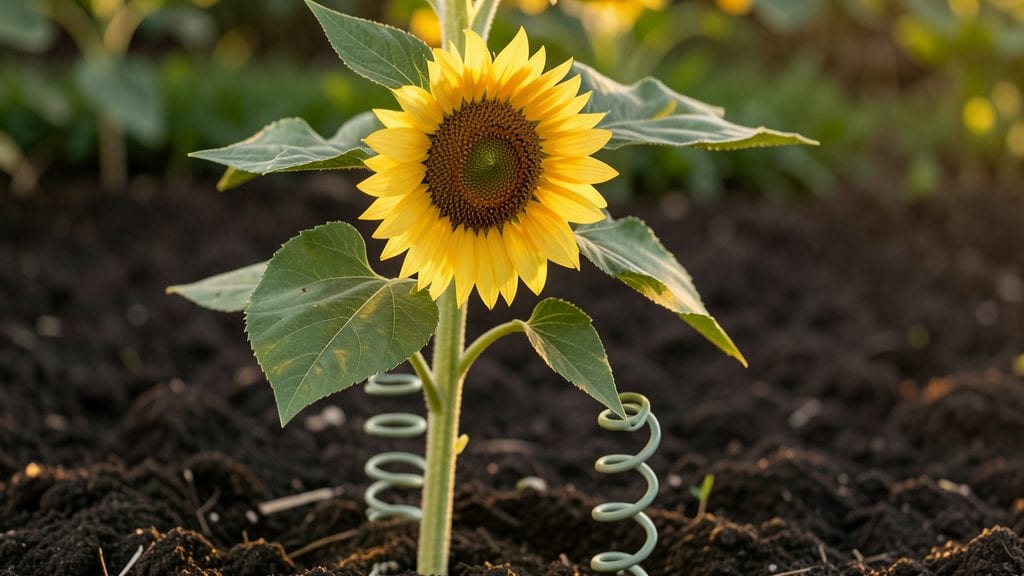
Transforming blank walls into lush vertical gardens starts with spiral garden stakes—simple, sturdy supports that turn vines and flowers into living art. 🌿 I first spotted them in a cottage garden and knew they’d elevate my own space without the fuss of traditional trellises.
The twist design gives plants something to cling to while keeping the look light and organic, perfect for small spaces or dramatic focal points.
These stakes work best with climbing plants like clematis, morning glories, or even decorative gourds, but they’re also great for training roses or supporting tall flowers like sunflowers.
The key is placement: sink them into the soil near your plant’s base or tuck them into containers for a clean, modern look. A single stake can anchor a small vine, while clusters create a striking vertical garden on fences or walls.
What you’ll love is how effortlessly they blend into any design—rustic, modern, or whimsical. The spiral pattern adds subtle texture, while the natural materials (like bamboo or metal) keep the aesthetic cohesive.
Imagine trailing ivy framing a doorway or delicate sweet peas cascading down a staircase. The stakes do all the heavy lifting while letting your plants shine.
For best results, pair them with plants that naturally climb or sprawl, and don’t forget to secure the base with a few stakes or ties if needed. They’re a game-changer for small gardens, urban balconies, or even indoor herb gardens. Ready to turn empty space into a green masterpiece?
📚 In This Guide
- What you need
- Instructions
- Tips and common mistakes
- Wrapping up and next steps
What you need
- ○ Bamboo stakes or wooden dowels – 4-6 feet long (quantity depends on your garden; 10-20 stakes cover most small-to-medium gardens). Optional: Pre-sanded or treated wood for durability.
- ○ Twine, jute rope, or garden twine – 100-200 feet (thicker rope = sturdier stakes; ¼-inch diameter works well). Optional: Biodegradable twine for eco-friendliness.
- ● Scissors or a utility knife – For trimming twine to length.
- ● Measuring tape or ruler – To ensure consistent spacing between twists.
- ○ Drill or hand drill (optional) – For pre-drilling holes in wood if needed (skip for bamboo).
- ● Work gloves – Protects hands from splinters or rough twine.
- ○ Staple gun or strong zip ties (optional) – For securing the twine’s starting point to the stake.
- ● Outdoor workspace – A clean, flat area (like a table or ground) to assemble stakes without tripping hazards.
- ● Patience & creativity! – Spiral stakes are all about precision and personal flair. 😊
- ● Test your twine – Stretch it to ensure it’s not brittle or prone to snapping under plant weight.
- ● Pre-cut stakes – If using wood, sand edges to prevent splinters when handling.
- ○ Weatherproofing (optional) – Seal wood stakes with outdoor varnish if exposed to heavy rain.
Step-by-Step instructions for making spiral garden stakes
Here's how to craft sturdy, customizable supports that'll have your vines thriving in no time.
🪴 Step 1: Gather Your Materials
You'll need 4 bamboo stakes (each 3-4 feet long), 1 roll of twine (about 10 feet), and scissors. The bamboo should be straight and sturdy—test each one by holding it between your hands and checking for any bends or soft spots. If you find any weak ones, swap them out now. The twine can be jute, hemp, or even plastic-coated—just make sure it's strong enough to hold your climbing plants.
I like to cut the twine into 4 equal pieces (about 2.5 feet each) so I can work on one stake at a time without tangling. Lay everything out on a flat surface—this keeps your workspace organized and makes the twisting process smoother. Pro tip: If you're making these for heavy climbers like pole beans or cucumbers, double up the twine for extra strength.
✂️ Step 2: Prepare the Bamboo Stakes
Start by trimming the bottom 1 inch of each stake at a slight angle—this helps them sit more securely in the ground. Use your scissors to make clean cuts so you don’t splinter the bamboo. Next, mark a 6-inch section from the top of each stake with a pencil. This is where your spiral will begin, and keeping it consistent ensures your stakes look uniform.
Here’s the thing—bamboo can be stubborn. If a stake feels too thick for your hands, gently tap it against a hard surface to soften the edges slightly. This makes twisting the twine much easier. I also like to rough up the surface of the bamboo a little with sandpaper (just a quick rub) so the twine grips better. It’s a small step, but it makes all the difference when your plants start climbing.
🌿 Step 3: Create the Spiral Base
Take one of your 2.5-foot twine pieces and fold it in half to create a loop. Slide this loop over the top of the bamboo stake, positioning it right at your 6-inch mark. Pull the twine tight around the stake and tie a secure knot—this is your anchor point for the spiral. Now, take the two loose ends of the twine and begin twisting them around the bamboo in a tight spiral, working your way downward.
Twist the twine every 1-2 inches as you go, pulling it snug against the bamboo each time. You want the spiral to be tight enough to support a vine but not so tight that it cuts into the plant’s stem. If you’re making these for delicate climbers like morning glories, space the twists a little farther apart—about 2-3 inches. You’ll see the spiral take shape as you work, and before you know it, you’ll have a sturdy, custom support ready for your garden.
💧 Step 4: Secure and Test the Stakes
Once you’ve reached the bottom of the stake, tie off the twine securely with another knot. Trim any excess twine with your scissors, leaving just enough to tie a loop at the very top—this loop will help you hang the stake on a fence or trellis if needed. Now, give your stake a little shake to test its stability. It should hold its shape without wobbling or coming apart.
I always make one extra stake as a backup—you never know when you’ll need it, and it’s better to have one too many than to scramble for materials later. Once all four stakes are ready, plant them 6 inches deep in the soil, spacing them 12-18 inches apart depending on the size of your climbing plants. Watch as your vines twist and grow, using the stakes as their natural ladder to the sky.
☀️ Step 5: Install and Maintain
Push the stakes into the ground firmly, but don’t hammer them—you want to avoid compacting the soil around the roots of your climbing plants. If you’re planting near a fence or trellis, you can lean the stakes against it for extra support. Once your plants start climbing, gently weave their tendrils into the spiral. This encourages them to grow upward instead of sprawling.
Check your stakes every few weeks to make sure the twine hasn’t loosened or the bamboo hasn’t shifted. If you notice any wobble, simply retie the twine or push the stake deeper into the soil. These stakes are designed to last through multiple growing seasons, so with a little care, they’ll keep your climbing plants happy and thriving year after year.
Tips & tricks for perfect spiral garden stakes
These simple tricks will transform your garden stakes from basic supports to sturdy, long-lasting climbing companions that'll keep your vines thriving all season long.
Selection Tip: When choosing your 3-4 foot bamboo stakes, look for ones that are completely straight with no visible cracks or soft spots. I learned this the hard way—using a slightly bent stake can cause your spiral to twist unevenly, making it less effective for climbing plants. Test each stake by holding it between your hands and checking for any flex. If it bends easily, swap it out for a sturdier one. The extra 5 minutes spent selecting quality stakes will pay off when your plants climb effortlessly.
Twisting Technique: In Step 3, when you're creating the spiral, focus on maintaining even tension as you twist the twine. I find it helps to use a pencil or chopstick to hold the twine in place while I pull it tight around the bamboo. This creates a consistent spiral that won't loosen over time. For delicate climbers like morning glories, space your twists about 2-3 inches apart—they need more room to weave through gently. For heartier plants, you can twist every 1-2 inches for extra support.
Stability Secret: The little details in Step 2 make all the difference! That 1-inch angled trim at the bottom isn't just decorative—it helps the stake sit securely in the ground without wobbling. I also recommend roughing up the bamboo surface with sandpaper before twisting. This creates tiny grooves that give the twine something to grip onto, preventing the spiral from loosening as your plants grow heavier. Trust me on this—your stakes will stay sturdy through wind and rain.
Make-Ahead Strategy: You can absolutely prep these stakes ahead of time! Once you've completed the twisting in Step 3, store them upright in a bucket or stand them against a fence. This keeps them organized and ready to plant when you're ready. I like to make a batch in early spring and store them in my garage until planting season. Just give them a quick shake test before planting to ensure the twine is still tight. These stakes keep well for months if stored dry and out of direct sunlight.
Pro Tips for Spiral Garden Stakes
- These simple tricks will transform your garden stakes from basic supports to sturdy, long-lasting climbing companions that'll keep your vines thriving all season long.
- Selection Tip: When choosing your 3-4 foot bamboo stakes, look for ones that are completely straight with no visible cracks or soft spots.
- Twisting Technique: In Step 3, when you're creating the spiral, focus on maintaining even tension as you twist the twine.
Frequently asked questions
Got questions about spiral garden stakes? You’re not alone! Here are some of the most common concerns—and their simple solutions—to help you get the most out of your twist-and-grow supports.
What’s the best time of year to install spiral garden stakes?
Install stakes before planting your climbing vines or annuals—ideally in early spring, once the soil is workable but before active growth begins. For perennials, you can add stakes in late winter or early spring. If you’re retrofitting, do it as soon as you notice vines struggling to climb or sprawl.
Can I reuse spiral garden stakes from year to year?
Spiral stakes are durable and reusable for multiple seasons. After use, clean them with mild soap and water to remove dirt or sap, then store them in a dry place. If they’re made of metal, a quick rust check ensures they’ll last even longer.
What’s the best way to secure spiral stakes without damaging plants?
Gently twist the stake into the soil at a 45-degree angle, about 6–12 inches deep, depending on plant size. For delicate vines, wrap the base with a soft fabric strip or use a rubber sleeve to protect stems. Avoid driving them in too hard—just snug enough to stay upright.
Are spiral stakes better than traditional trellises or cages?
Spiral stakes shine for individual climbing plants (like pole beans, cucumbers, or morning glories) because they’re lightweight, adjustable, and blend seamlessly. Trellises or cages work better for heavy vines (e.g., grapes or kiwi) or larger garden beds. Think of spiral stakes as the "Swiss Army knife" of plant support!
What should I do if my stake bends or won’t stay upright?
If your stake bends, try repositioning it deeper or at a sharper angle. For stability, tie it to a nearby post or stake with soft garden twine. If it’s wobbly, add a second stake nearby and weave the vine between them. Pro tip: Wet soil is easier to work with—install stakes after watering for better grip!
Wrapping up and next steps
Transforming your garden with spiral garden stakes is simpler—and more rewarding—than you might think! These versatile tools not only support climbing plants but also add a charming, functional twist to your outdoor space.
Whether you're a seasoned gardener or just starting out, the key is to start small, stay consistent, and let your plants thrive.
Ready to take the next step? Grab your materials, follow the steps, and watch your vines spiral into success! 🌱✨ Shop spiral stakes today and turn your garden dreams into a lush, growing reality.