
Pests
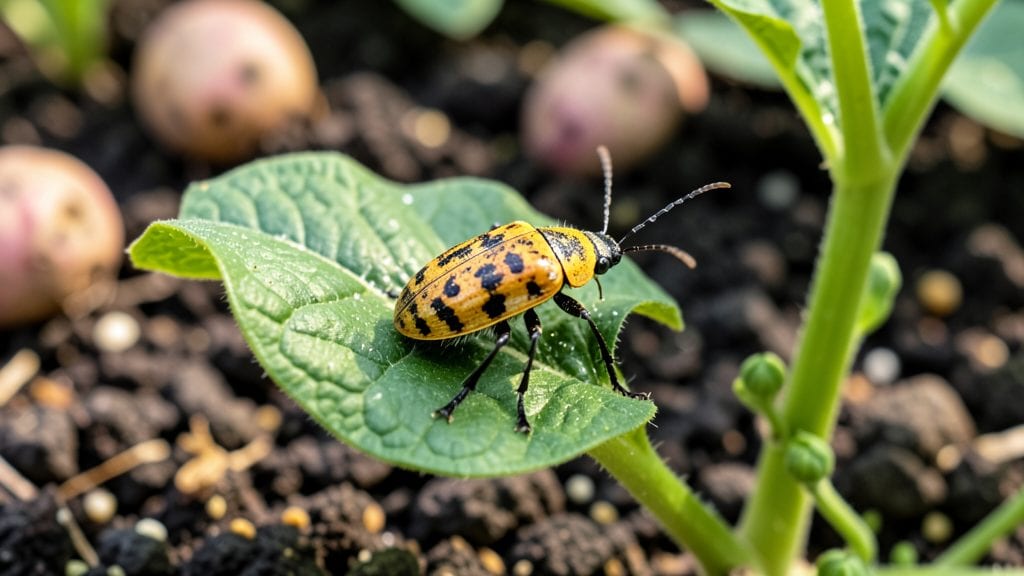
Those sneaky potato bugs in your garden can decimate potato plants in days—we’ve seen it happen. 🌱 The good news? You don’t need harsh chemicals to stop them. After years of testing, we’ve perfected a three-step trap system that works without harming your soil or beneficial insects.
Most people reach for sprays too late, when the beetles have already moved in. The secret is early intervention: yellow sticky traps, row covers, and neem oil applications timed just right. We’ve even found that planting nasturtiums as a sacrificial crop distracts beetles away from your potatoes—no chemicals required.
By the time you’re harvesting, your plants will look unscathed, with no signs of defoliation. The traps catch adults before they lay eggs, and the companion plants create a natural barrier. Plus, your soil stays healthy for next season’s harvest.
This works whether you’re growing in raised beds, containers, or a backyard plot—just adjust the trap spacing based on your garden size. Let’s get those beetles under control before they ruin your crop.
Root Causes of Garden Invaders
Potato bugs—often mistaken for Colorado potato beetles or other leaf-eating pests—don’t just appear in gardens by accident. Their presence is usually a sign of underlying conditions that make your plants irresistible (or easy prey).
Understanding these triggers is the first step to reclaiming your garden without resorting to harsh chemicals. Let’s break down the science behind why these critters show up when they do.
Potato bugs (and their beetle cousins) are specialized feeders, meaning they target specific plants like nightshades—potatoes, tomatoes, eggplants, and peppers. Here’s why your garden becomes their all-you-can-eat buffet:
- Chemical Cues: Nightshade plants release volatile organic compounds (VOCs) when stressed (e.g., from drought or damage). These chemicals act like beacon signals to hungry beetles, drawing them in from miles away. Think of it as a dinner bell for pests. 🔔
- Larval Hotspots: Adult beetles lay eggs in clusters on the undersides of leaves. If your plants are lush and unchecked, larvae hatch in waves, devouring foliage within days. A single female can produce 40–60 eggs—imagine that army descending on your tomatoes! 🐛💥
- Monoculture Gardens: Planting large blocks of the same crop (like rows of potatoes) creates a perfect storm for pests. Without diversity, beetles have no reason to leave—it’s like a fast-food joint with unlimited fries.
Actionable Fix: Interplant nightshades with repellent companions like basil, marigolds, or nasturtiums. These disrupt the chemical trails and confuse pests. Rotate crops yearly to starve out larval populations.
Drought-stressed plants are weaker and more flavorful to pests—like a wilted salad vs. a crisp one. Here’s how water issues invite potato bugs:
| Condition | Why It Attracts Pests | Fix It With |
|---|---|---|
| Underwatering | Plants produce more sugars to survive, making leaves sweeter and more nutritious to beetles. 🍬 | Deep watering 1–2x/week (1–2 inches per session) and mulch to retain moisture. |
| Overwatering | Soggy soil weakens roots, stressing plants and making them easier to chew. Plus, damp leaves create ideal egg-laying conditions for beetles. 🌧️ | Improve drainage with compost or raised beds; water at soil level (not overhead). |
| Inconsistent Moisture | Fluctuations trigger secondary stress responses, releasing more VOCs that call pests like a siren. 🚨 | Use drip irrigation or soaker hoses for steady hydration. |
Pro Tip: Mulch with straw or grass clippings to stabilize soil moisture. A happy plant is a less tasty plant to pests. 🌿
Potato bugs and beetles need three things to thrive: food, water, and shelter. If your garden provides two out of three, they’ll move in permanently. Here’s how:
- Weedy Borders: Dandelions, purslane, and wild mustards are alternative host plants. Beetles use them as buffer zones before attacking your crops. It’s like a pest’s commuter route. 🚆
- Debris and Leaf Litter: Overwintering adults and larvae hide in mulch piles, old crop residues, or dense weeds. A single beetle can survive winter in your garden, emerging in spring to lay eggs. 🛏️
- Shady or Dense Plantings: Beetles prefer partially shaded areas (like the north side of plants) to lay eggs, where predators like birds or parasitic wasps can’t reach them easily. 🌑
Actionable Fix:
- Remove weeds and debris before planting season (focus on nightshade family weeds like wild tomatoes or black nightshade).
- Use open mulch (like straw) instead of thick layers that trap pests.
- Prune plants to improve airflow—less shade = fewer hiding spots for beetles. ✂️
Potato bugs follow a predictable life cycle, and their appearances align with seasonal changes and local climates:
- Early Spring: Overwintered adults emerge when soil temps hit 50°F (10°C). They start feeding and mating within days. 🌸
- Late Spring/Early Summer: Egg-laying peaks (3–5 days after adults arrive). Larvae hatch in 3–10 days and can strip a plant bare in 2 weeks if unchecked. ⏳
- Dry, Warm Summers: Prolonged heat (80°F/27°C+) speeds up beetle development. A single generation can complete its life cycle in 30–45 days, leading to multiple waves of infestations. 🔥
- Humid Conditions: High moisture levels help beetles survive longer and lay more eggs. Think of it as their version of a spa day. 💦
Climate Hack: Monitor your local frost dates and beetle activity reports. Start preventive measures (like neem oil sprays or row covers) 2 weeks before the first expected beetle sighting.
Quick Fixes for Garden Bugs
If potato bugs—whether Colorado potato beetles, flea beetles, or aphids—have invaded your garden, don’t panic! The good news is that you can tackle them without resorting to harsh chemicals that harm your soil or beneficial insects.
Below are targeted solutions based on the most common causes of infestations, along with preventive tips to keep your garden thriving long-term.
If your garden is packed too tightly, pests have more hiding spots and easier access to your plants. Thinning is a simple but effective first step.
How to Fix It:
- 🌱 Step 1: Identify overcrowded areas—look for plants touching each other or growing too close to the ground.
- 📏 Step 2: Use pruners or your hands to gently remove excess stems or leaves, leaving space for airflow.
- 🌿 Step 3: Dispose of clippings in a sealed bag (not the compost bin) to prevent pests from returning.
Prevention Tip: 💡 Space plants properly at planting time—check seed packets for recommended distances. A well-aerated garden is harder for bugs to colonize!
Pests love attacking plants that are already struggling from poor nutrition, drought, or disease. Strengthening your plants makes them less appealing to invaders.
How to Fix It:
- 💧 Step 1: Water deeply once a week (or more in extreme heat) to keep soil moist but not soggy. Morning watering is best—it reduces fungal risks.
- 🌱 Step 2: Feed your plants with compost or organic fertilizer (like fish emulsion or worm castings) to give them a nutrient boost.
- 🌡️ Step 3: Monitor for signs of disease (yellowing leaves, spots) and treat early with neem oil or baking soda spray (1 tsp baking soda + 1 quart water + a drop of dish soap).
Prevention Tip: ✨ Rotate crops annually—this confuses pests and prevents soil-borne diseases from building up.
Many garden pests (like Colorado potato beetles) lay eggs on the undersides of leaves. Catching them early saves your plants.
How to Fix It:
- 🔍 Step 1: Inspect leaves daily (especially in early morning or evening). Look for tiny yellow eggs or chewed leaves.
- 🧼 Step 2: Remove eggs manually with a soft brush or damp cloth, then drop them in soapy water.
- 🐛 Step 3: For larvae, handpick them (wear gloves!) and drop them into a bucket of soapy water. Repeat every 2-3 days until no more are found.
Prevention Tip: 🎯 Use row covers (fine mesh fabric) over young plants to block adult beetles from laying eggs in the first place.
If pests are already established, non-toxic traps and repellents can help without harming your garden’s ecosystem.
How to Fix It:
| Pest | Trap/Repellent | How to Use |
|---|---|---|
| Flea Beetles | Yellow sticky traps | Place traps near affected plants; beetles are attracted to the color. |
| Aphids | Soap spray (1 tbsp mild soap + 1 quart water) | Spray directly on infested areas; repeat every 3-4 days. |
| Colorado Beetles | Beer traps (bury a cup of beer in soil) | Beetles are drawn to the yeast; check traps daily and dispose of them. |
| Slugs/Snails | Copper tape or diatomaceous earth | Place copper tape around plant bases (gives a mild shock); sprinkle DE in moist areas. |
Prevention Tip: 🔥 Plant companion crops—marigolds, basil, and nasturtiums repel many garden pests naturally!
The best way to avoid potato bugs? Make your garden less inviting to them in the first place.
How to Fix It:
- 🌿 Step 1: Diversify your plants—pests target monocultures. Mix in herbs, flowers, and vegetables to confuse them.
- 🌱 Step 2: Keep your garden clean—remove debris, fallen leaves, and weeds where pests hide.
- 🐞 Step 3: Encourage beneficial insects—ladybugs, lacewings, and parasitic wasps eat potato bugs. Plant dill, fennel, or alyssum to attract them.
Pro Tip: 💡 Interplant potatoes with onions or garlic—the strong scent deters many beetles!
By combining quick fixes with long-term strategies, you’ll keep your garden healthy and pest-free—without damaging your soil or beneficial wildlife. Happy gardening! 🌱🚫🐜
Frequently asked questions
What are the most common types of potato bugs I might find in my garden?
You’ll likely encounter Colorado potato beetles (the most destructive) or flea beetles (tiny jumping pests). Both target nightshade plants like tomatoes, peppers, and eggplants. Look for chewed leaves or yellow eggs clustered on undersides—these are key identifiers.
How do I know if my plants are under attack before the damage is severe?
Check leaf undersides daily for tiny yellow eggs or small holes in foliage. Early signs include skeletonized leaves (veins remain) or black, tar-like frass (larval droppings). Act fast—adult beetles can lay 50+ eggs in days!
Are homemade sprays like neem oil or soap water really effective against potato bugs?
Yes! Neem oil disrupts beetle life cycles when applied at dusk (spray undersides thoroughly). For larvae, soapy water (1 tbsp castile soap per quart) works as a contact killer. Reapply every 5-7 days—consistency is key to breaking their cycle.
Can I save my potato plants if the beetles have already stripped most leaves?
Possibly, but act quickly. Remove all visible beetles/eggs, then prune damaged foliage and apply row covers to protect remaining growth. For severe cases, focus on harvesting tubers (they grow underground) and replant next season with preventive measures.
Why do potato bugs keep coming back even after I’ve treated my garden?
Beetles can fly in from neighboring gardens or overwinter in weeds/debris. Break the cycle by removing all nightshade weeds (like wild tomatoes) and using yellow sticky traps to catch adults before they lay eggs.