Planting
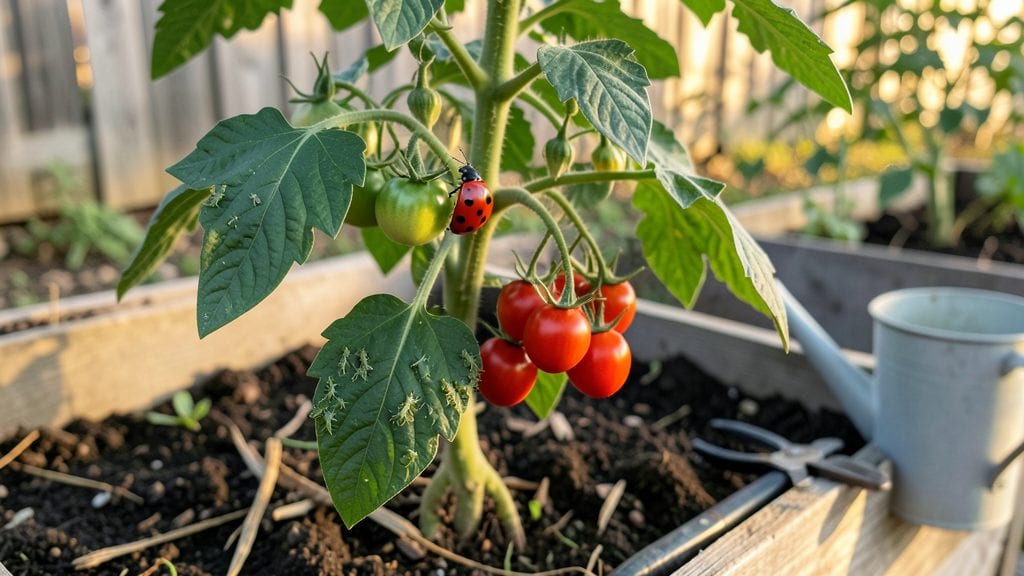
Garden plant pests turn your hard work into a buffet for tiny invaders. 🌱 I’ve lost count of the times I’ve watched aphids drain my roses or slugs turn my lettuce into lace—until I discovered these organic barriers that actually work without harsh chemicals.
The key is understanding pest behavior and using their natural weaknesses against them. Aphids hate garlic spray, caterpillars avoid row covers, and slugs can’t cross diatomaceous earth. These methods don’t just repel—they prevent pests from moving in before they become a problem.
By the end of this, your garden will be thriving with fewer chewed leaves and more blooms. The best part? No more spraying toxic chemicals that harm bees or your family. You’ll see results in just a few days with consistent application.
Works for every garden type, from raised beds to in-ground plots. Let’s get those pests out without the guesswork—naturally.
Root Causes Of Garden Invaders
Understanding why pests target your garden is the first step to defending it organically. These tiny troublemakers don’t just appear out of nowhere—they’re drawn by specific conditions, behaviors, and even your plants’ weaknesses. Let’s break down the science behind their visits and how to outsmart them.
Pests thrive in gardens where plants are stressed or struggling. When foliage is dense and air doesn’t circulate well, fungal gnats, aphids, and spider mites find the perfect breeding ground. Weak plants also lack the energy to produce natural defenses like volatile organic compounds (VOCs), which repel insects.
Why it happens:
- Poor spacing between plants creates humidity pockets, ideal for soft-bodied pests like aphids.
- Nutrient deficiencies (especially nitrogen or potassium) weaken plant cell walls, making them easier targets.
- Overwatering or poor drainage leads to root rot, attracting fungus-loving pests like slugs and snails.
Actionable fix: Prune regularly to improve airflow, amend soil with compost for balanced nutrition, and water at the base (not overhead) to deter fungal pests.
Some plants are like neon signs for pests—sweet-smelling flowers, tender leaves, or sugary sap are all-you-can-eat buffets for insects.
For example: - Aphids love new growth on plants like roses and basil. - Cabbage worms are drawn to cruciferous veggies (broccoli, kale). - Japanese beetles target roses, grapes, and linden trees due to their scent profiles.
Why it happens:
- Phytochemicals in certain plants (like glucosinolates in brassicas) can actually attract pests that feed on them.
- Pollinator-friendly plants (e.g., lavender, marigolds) may also host beneficial insects—but their nectar can lure pests too.
- Stress-induced plant signals (like ethylene gas from damaged leaves) can call in more pests as a "distress signal."
Actionable fix: Interplant repellent herbs (like mint or thyme) near high-risk crops, and rotate plant families yearly to disrupt pest life cycles.
Pests don’t just show up—they time their attacks based on temperature, humidity, and seasonal cues.
For instance: - Cool, damp springs favor slugs, cutworms, and fungal diseases. - Hot, dry summers bring out spider mites and whiteflies, which thrive in stressed plants. - Fall leaf litter provides shelter for overwintering pests like aphids and scale insects.
Why it happens:
- Temperature thresholds trigger pest emergence (e.g., Japanese beetles need soil temps above 60°F to hatch).
- Humidity levels affect pest reproduction—aphids multiply faster in 70–80% humidity.
- Day length changes (like shorter autumn days) signal pests to lay eggs or seek shelter.
Actionable fix: Use row covers in early spring to block flying pests, mulch strategically (straw deters slugs but don’t use leaves, which harbor pests), and monitor weather forecasts to time preventive sprays.
Even well-meaning gardening practices can unintentionally invite pests.
Common culprits include: - Bringing in infected plants (e.g., nursery stock with hidden scale insects or whiteflies). - Composting pest-ridden plant debris (e.g., leaves with aphid eggs overwinter in compost piles). - Using synthetic fertilizers that burn roots, weakening plants and making them more susceptible to root maggots and nematodes.
Why it happens:
- Pests hitchhike on tools, shoes, and even wind-blown debris.
- Monoculture gardening (planting the same crop in one spot yearly) lets pests specialize and build populations.
- Improper pruning (leaving stubs or diseased wood) creates entry points for borers and beetles.
Actionable fix: Inspect new plants under leaves and in soil, practice crop rotation, and sterilize tools with rubbing alcohol between uses.
Not all garden visitors are villains—some are accidental pests when their populations explode due to lack of predators.
For example: - Ladybug larvae (helpful!) can become pests if they overconsume aphids, then turn on your plants. - Ground beetles (natural pest controllers) may eat seeds or seedlings if other food sources are scarce. - Parasitic wasps (which lay eggs in caterpillars) can mistakenly target non-pest insects in a stressed garden.
Why it happens:
- Overuse of broad-spectrum pesticides wipes out natural predators, leading to secondary pest outbreaks.
- Habitat loss (e.g., removing wildflowers) reduces alternative food sources for beneficials, forcing them to feed on your crops.
Actionable fix: Plant companion flowers (like dill or fennel) to attract predatory wasps and hoverflies, and avoid chemical sprays during beneficial insect active hours (usually dawn/dusk).
Sometimes, pests are just taking advantage of bigger ecological shifts, like:
- Climate change extending growing seasons, allowing tropical pests (e.g., spotted lanternfly) to survive in new regions.
- Invasive species with no natural predators (e.g., kudzu bug, emerald ash borer).
- Urban sprawl reducing wildlife corridors, forcing pests into gardens where they compete for resources.
Why it happens:
- Warmer winters let pests survive longer, increasing their numbers.
- Monoculture farming nearby can overflow into home gardens with pest migrations.
- Loss of biodiversity removes checks and balances in the ecosystem.
Actionable fix: Support local pollinator habitats, report new pest sightings to extension services, and adopt integrated pest management (IPM) to minimize harm.
Pro Tip: 💡 The key to organic pest control is prevention. By addressing these root causes—plant health, spacing, climate awareness, and ecosystem balance—you’ll make your garden a less appealing (and more resilient) target.
Natural Fixes for Common Garden Invaders
Now that you know what’s munching on your plants, let’s tackle those troublemakers with effective, organic solutions—no harsh chemicals required! Below, we’ve mapped out practical fixes for the most common pests, along with preventive steps to keep your garden thriving long-term.
**🔥 Cause: These sap-sucking insects cluster on new growth, leaving sticky honeydew and stunted plants. 🍳 Fix It Fast: - Blast Them Off: Spray aphids directly with a strong stream of water (morning or evening works best). - Soapy Suds Solution: Mix 1 tsp mild liquid soap + 1 quart water in a spray bottle.
Coat leaves thoroughly—aphids will drop off within hours. - Ladybugs to the Rescue: Release beneficial insects** like ladybugs (they love aphids) or lacewings.
**🌱 Prevent Future Attacks:
- Interplant with Herbs: Basil, mint, and dill repel aphids when planted nearby.
- Neem Oil Spray: Apply neem oil (1 tbsp per gallon of water) weekly as a deterrent.
- Remove Infested Leaves: Drop heavily infected foliage in a sealed bag to starve them out.
🔥 Cause: These slimy critters leave silver trails and chewed leaves—especially after rain. 👨🍳 Traps & Barriers:
- Beer Trap: Bury a shallow dish filled with beer (slugs crawl in and drown). Refresh every 2 days.
- Copper Moat: Place copper tape or wire around pots/beds—slugs get a mild shock when they touch it.
- Diatomaceous Earth (DE): Sprinkle food-grade DE around plants (it dehydrates slugs). Reapply after rain.
🌡️ Long-Term Deterrents:
- Crushed Eggshells: Scatter around plants—slugs hate the sharp edges.
- Grit or Sand: Create a 1-inch barrier of coarse material (they won’t cross it).
- Plant Slug-Repelling Favorites: Garlic, chives, and thyme keep them away naturally.
🔥 Cause: These tiny white bugs cluster on undersides of leaves, weakening plants with their sticky residue. 🔪 Eliminate Them:
- Yellow Sticky Traps: Hang yellow cards coated with petroleum jelly near plants—they get stuck fast.
- Neem Oil Spray: Apply neem oil + a drop of dish soap to suffocate adults and eggs.
- Reflective Mulch: Use silver or aluminum mulch—whiteflies hate bright light and avoid it.
🎯 Stop the Spread:
- Isolate Infested Plants: Keep them away from healthy ones until pests are gone.
- Encourage Parasitic Wasps: These tiny wasps lay eggs in whitefly larvae—plant dill or fennel to attract them.
- Prune & Dispose: Remove heavily infested leaves and compost them separately (don’t reuse soil).
🔥 Cause: These metallic-green beetles devour leaves, leaving only veins behind. ⏰ Act Fast:
- Handpick & Drown: Drop them into soapy water (they’re slow and easy to catch).
- Milky Spore Treatment: Apply milky spore powder to soil—it kills beetle grubs before they emerge.
- Kaolin Clay Barrier: Sprinkle Surround WP (kaolin clay) on leaves—it confuses their scent receptors.
✨ Prevent Recurrence:
- Plant Trap Crops: Grow roses, grapes, or marigolds—beetles flock to them instead of your veggies.
- Remove Grubs: Dig up white C-shaped grubs in lawns (their larvae stage) and dispose of them.
- Avoid Overwatering: Beetles love soft, moist soil—keep lawns slightly dry.
🔥 Cause: These microscopic pests thrive in dry heat, sucking plant juices and causing yellow stippling. 💡 Pro Tip:
- Blast Them Away: Use a garden hose to knock them off (they’re lightweight).
- Horticultural Oil: Spray horticultural oil + water (1:1 ratio) to smother eggs and adults.
- Increase Humidity: Spider mites hate moisture—mist plants daily or use a pebble tray under pots.
🌱 Keep Them Out:
- Companion Planting: Grow chives, garlic, or basil nearby—they repel mites.
- Beneficial Predators: Release predatory mites (Phytoseiulus persimilis) for long-term control.
- Wash Leaves Weekly: Use neem oil + water spray to prevent infestations.
🔥 Bonus: Universal Prevention Tips
- Rotate Crops: Avoid planting the same family (like tomatoes or peppers) in the same spot yearly.
- Healthy Soil = Strong Plants: Use compost and worm castings—vigorous plants repel pests naturally.
- Inspect New Plants: Quarantine store-bought or garden-center plants for 2 weeks before planting.
- Encourage Wildlife: Install a birdhouse or bat box—birds and bats eat pests for free!
With these targeted, organic fixes, your garden will bounce back stronger**—and those pests won’t stand a chance! 🌿💪
Frequently asked questions
What are the first signs that my plants have pests?
Look for holes in leaves, sticky residue (honeydew), or tiny webs on undersides. Soft-bodied pests like aphids leave curled leaves, while chewers (caterpillars) create irregular tears. Check stems for sawdust-like frass (insect droppings) or silvery trails (slugs). Act fast—early detection prevents spread!
Can I use coffee grounds to repel pests?
Yes! Coffee grounds deter ants, slugs, and snails thanks to their strong scent and gritty texture. Sprinkle around plants (not directly on soil—it can acidify). For ants, create a barrier; for slugs, mix with eggshells. Refresh every few days after rain. Bonus: They enrich soil as they decompose!
Why do some organic sprays work better in the morning?
Morning applications catch pests when they're most active and dew is present, helping solutions adhere better. Many insects (like aphids) hide in leaf undersides overnight, so spraying early ensures full coverage. Avoid midday—heat can evaporate treatments before they work. Evening sprays also work, but morning gives solutions time to dry before pests wake up!
Are there any plants that naturally repel multiple pests?
Marigolds deter aphids, nematodes, and even rabbits. Basil repels thrips, mosquitoes, and whiteflies while enhancing tomato flavor. Chives and garlic keep slugs, carrot flies, and Japanese beetles away. Plant these strategically—especially near high-risk crops—to create a pest-proof perimeter!
What's the fastest way to stop a slug outbreak?
Combine copper tape barriers (creates electric shock) with beer traps (slugs drown in shallow dishes). For immediate results, handpick slugs at night (they're sluggish then) and drop them in soapy water. Remove hiding spots like boards or dense mulch. Repeat for 3 nights—this breaks their life cycle!