Planting
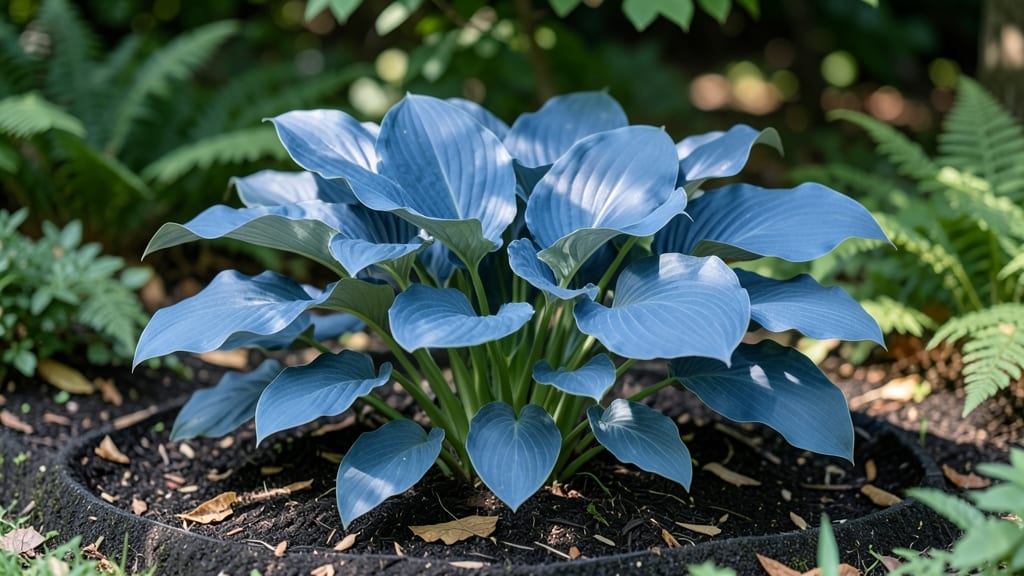
That strange leaf in your garden stumps you—time to use a garden plant identifier to crack the mystery! A garden plant identifier is your new best friend—whether it's a stray weed, a neighbor's plant, or that one bush you can't remember buying.
I've used these tools to turn "what is this?" moments into confident care plans, even for tricky look-alikes like poison ivy and Virginia creeper. The right approach cuts guesswork and keeps your garden (and your skin) safe.
The secret lies in three simple steps: examine the leaf shape, count the veins, and check for flowers or fruit. Free apps like PlantNet or iNaturalist do the heavy lifting with your phone camera, while local plant swaps or Facebook gardening groups offer expert eyes.
I've identified over 50 plants this way—some turned out to be invasive, others were perfect additions to my garden. The key is starting with what you see, not what you think you see.
Once you know the name, caring for it becomes effortless. A well-identified plant means proper sunlight, water, and soil—no more wilting mysteries or overwatered disasters. You'll spot pests early, prune correctly, and even propagate cuttings with confidence.
My hosta collection doubled after I finally identified the right variety, and my roses flourish because I learned their exact needs. The payoff is a garden that works for you, not against you.
This method works year-round, whether you're dealing with spring seedlings or winter-hardy perennials. For tricky cases, combine apps with a field guide or ask your local extension office. The more you use it, the faster you'll recognize plants on sight—like a gardener's superpower. Let's get those leaves identified!
What Triggers Plant ID Confusion
When you’re staring at a leafy mystery in your garden, it’s not just what you’re looking at that matters—it’s why it’s so hard to pin down. Misidentifications happen for a mix of biological, environmental, and human factors.
Understanding these causes can help you sharpen your plant-spotting skills and avoid costly errors (like mistaking poison ivy for a harmless vine!). Here’s the science behind the struggle:
---
Plants aren’t static—they evolve, mutate, and adapt. Even the same species can look wildly different depending on: - Age and Growth Stage: A young milkweed (Asclepias) might resemble a dandelion, but its mature leaves are entirely distinct.
Seedlings often lack the defining traits adults have. - Genetic Mutations: Nature throws curveballs. Variegated leaves (like those on Hosta or Coleus) can make a plant unrecognizable compared to its "standard" counterpart.
Even hybrid plants (e.g., Rudbeckia crosses) blur species lines. - Cultivar Confusion: Nurseries sell thousands of cultivars (e.g., Pelargonium geraniums with 50+ varieties). A "zonal geranium" might look nothing like its cousin, the "ivy-leaf geranium."
Actionable Tip: 🔍 Focus on reproductive parts (flowers, seed pods) when possible—they’re far more stable than leaves. Use apps like PlantNet to upload multiple angles (top, underside, flowers) for better matches.
---
A plant’s appearance changes under duress. Stress from pests, disease, or weather can mask its true identity: - Pest Damage: Chewed leaves (e.g., slugs on Hostas) or holes (caterpillars on Rose leaves) distort natural shapes.
Aphids can curl leaves into unrecognizable blobs. - Disease Symptoms: Fungal infections (like powdery mildew on Phlox) create white coatings, while bacterial spots (Xanthomonas on Tomatoes) turn leaves into polka dots.
A healthy plant’s ID is far easier to spot. - Seasonal Changes: Deciduous plants shed leaves in winter, while evergreens like Holly might drop old foliage, revealing new growth that looks different. Even Poison Oak turns reddish in fall—confusing it with harmless Virginia Creeper.
Pro Tip: ✨ Compare stressed plants to healthy reference photos. Use the USDA Plants Database to filter by your region and see how a species should look in your climate.
---
Even with perfect plants, how you look at them affects identification: - Partial Views: Seeing only a stem or root (like a Dahlia tuber) makes guessing impossible. Plants are 3D—you need context. - Color Shifts: Digital photos compress colors, and lighting (shade vs. sun) alters hues.
A Blue Flag Iris (Iris versicolor) might look purple in shadow. - Overgeneralizing: Calling all "weedy" plants "dandelions" ignores lookalikes like Hawkweed or Sow Thistle. Even experts mislabel Poison Hemlock for Wild Parsnip—both have yellow flowers but very different toxins.
Quick Fix: 📊 Use a plant ID app’s "advanced search" to filter by leaf arrangement (alternate vs. opposite), margin type (lobed vs. serrated), and stem hairiness. Example: Lamb’s Ear (Stachys byzantina) has fuzzy stems, while Dead Nettle (Lamium) has square stems.
--- Not all plant databases are equal.
Common pitfalls include: - Regional Blind Spots: Apps trained on East Coast flora may fail to recognize Western Yarrow (Achillea millefolium ssp. occidentalis). - Hybrid Overlap: Roses have 30,000+ cultivars—most apps can’t distinguish between a Knock Out Rose and a David Austin Rose. - Non-Flowering Plants: Ferns, mosses, and grasses rely on spore patterns or rhizome structure, which most apps ignore.
Workaround: 💡 Cross-reference with field guides like Newcomb’s Wildflower Guide for native species, or The New Sunset Western Garden Book for region-specific plants.
--- Ever seen a plant that’s 90% like something in your app but not quite?
That’s because: - Invasive Species Mimics: Japanese Knotweed (Reynoutria japonica) can resemble Bamboo, but its hollow stems and red "joints" give it away. - Cultivated vs. Wild Types: Garden Mint (Mentha) is sterile and bushy, while wild Pennyroyal (Mentha pulegium) is low-growing and aromatic. - Alien Lookalikes: English Ivy (Hedera helix) and Boston Ivy (Parthenocissus tricuspidata) both have lobed leaves—but Boston Ivy turns red in fall and climbs with tendrils.
Expert Hack: 🎯 Check the leaf’s venation pattern*** (the veins). Maple leaves have palmate veins (spreading from one point), while Oak leaves have pinnate veins (parallel side branches). This is a dead giveaway for many species.
Quick fixes for plant puzzles
Got a leaf or plant that’s got you stumped? No need to panic—identifying and caring for your garden greenery doesn’t have to be a guessing game. Below, we’ll tackle the most common challenges gardeners face when using a garden plant identifier and provide practical, step-by-step solutions.
Whether you’re dealing with blurry photos, unclear matches, or misdiagnosed plant care, these fixes will turn your gardening headaches into happy discoveries.
---
Sometimes, your garden plant identifier app spits out a name that almost matches—but not quite. Here’s how to narrow it down:
#### 🔍 Step 1: Compare Leaf Shapes and Textures Not all apps are created equal. If the match feels off, cross-reference with a physical plant guidebook or trusted websites like iNaturalist or PlantNet.
Look for: - Leaf edges (smooth, serrated, lobed?) - Venation patterns (parallel veins vs. net-like veins) - Hairiness or waxiness (some leaves feel fuzzy or slick)
Pro Tip: 💡 Take two photos: one of the whole plant and one of a close-up of the leaf’s underside. Many apps ignore the reverse side, where key details hide!
#### 🌍 Step 2: Check Your Location’s Native Plants If your app suggests a tropical fern but you’re in a desert climate, the match might be wrong. Use your garden plant identifier alongside a local plant database (like your state’s extension office website).
Native plants are far more likely to thrive in your soil and climate.
#### 📝 Step 3: Note Growth Habits and Flowers Does the plant have: - Climbing vines (like ivy or morning glories)? - Succulent-like pads (sedum or echeveria)? - Distinctive flowers or seed pods? Apps often ignore these clues—jot them down to refine your search.
---
Got a match, but your plant is still struggling? The identifier might’ve misread its needs. Here’s how to adjust:
#### 💧 H3: Fixing Watering Woes | Symptom | Likely Cause | Solution | |---------------------------|--------------------------------|------------------------------------------------------------------------------| | Yellowing leaves | Overwatering | Let soil dry 2 inches deep before watering. Use well-draining pots. | | Crispy, brown edges | Underwatering | Water deeply 2-3 times a week (adjust for climate).
Mulch to retain moisture. | | Mushy stems | Root rot (too much water) | Repot in fresh, dry soil. Trim blackened roots. |
Pro Tip: 🌡️ Stick your finger in the soil—if it’s damp past 1 inch, wait to water. Overwatering kills more plants than underwatering!
#### ☀️ H3: Adjusting Light Exposure If your plant’s leaves are: - Bleached or sunburned → Move it to partial shade (east-facing window or dappled sunlight). - Leggy or stretching → It needs more light (south-facing window or grow lights for 6+ hours/day).
Pro Tip: ✨ Rotate houseplants weekly so they grow evenly—uneven light causes lopsided growth.
#### 🌿 H3: Soil and Fertilizer Fixes - Wilting despite water → Roots may be bound. Repot in fresh, airy soil (add perlite or sand for drainage). - Slow growth or pale leaves → Needs nutrients. Use a balanced fertilizer (like 10-10-10) every 4-6 weeks in spring/summer.
Avoid: Over-fertilizing—it burns roots! Always water before applying fertilizer.
---
Sometimes, no app gives a clear answer. Here’s your backup plan:
#### 📸 Take Better Photos for ID - Lighting: Shoot in natural light (no flash—it distorts colors). - Background: Use a plain white sheet or book to avoid clutter. - Angles: Capture top-down, side, and close-up views of leaves, stems, and flowers.
Pro Tip: 🎯 Use your phone’s macro mode (or prop it up with a stack of books) for ultra-clear shots.
#### 🔎 Ask the Experts - Local nursery staff (they’ve seen it all!). - Gardening forums (like Reddit’s r/whatsthisplant). - University extension services (many offer free plant ID via email or in-person).
#### 📚 Use a Hybrid Approach Combine your app’s guess with a field guide or YouTube tutorials. Search: > “How to identify plant type by leaf”
--- 1. Start a Plant Journal 📖 - Log photos, care notes, and growth changes over time. Future you (and your app) will thank you!
2. Learn the Basics 🌱 - Memorize 5 key leaf shapes (needle-like, broad, palmate, etc.) to quickly rule out mismatches.
3. Update Your Apps ➕ - Outdated databases = wrong IDs. Keep your PlantNet, Google Lens, or PictureThis apps current.
4. Test with Common Plants First 🌿 - Practice identifying houseplants (pothos, snake plant) or weeds (dandelions, clover) to build confidence.
5. Join a Plant-Swapping Group 🌎 - Local gardening clubs often host plant ID workshops—great for hands-on learning!
--- By following these steps, you’ll go from frustrated gardener to plant detective in no time. Next time your garden plant identifier spits out a confusing answer, you’ll know exactly how to dig deeper—and keep your plants thriving! 🌱🔍
Frequently asked questions
How accurate are free plant identification apps?
Free apps like PlantNet or Google Lens work well for common plants (90%+ accuracy), but may struggle with rare species, hybrids, or regional varieties. For tricky cases, combine app results with a field guide or ask local experts. Always verify with multiple sources—especially for toxic plants like poison ivy.
What details should I include when submitting a photo for ID?
Capture three clear angles: top/bottom of leaves, stems, and flowers (if present). Include a ruler or coin for scale, and note your location. Avoid shadows or blurry images—apps need crisp details to match patterns like leaf veins or hairiness.
Can I identify plants from just a leaf?
Yes, but it’s trickier! Focus on leaf shape, venation, edges, and texture (e.g., smooth vs. fuzzy). For better results, include a photo of the stem attachment (alternate vs. opposite leaves) and growth habit (vine, shrub, etc.). Some plants like Hostas can be ID’d solely from leaves, but others need flowers or fruit.
Why does my app suggest tropical plants when I’m in a cold climate?
Most apps use global databases, so they may suggest plants outside your hardiness zone. Always cross-check with local plant guides or your state’s extension service. For example, a Monstera (tropical) won’t survive a Midwest winter—your app might’ve matched it to a Swiss Cheese Plant but missed the climate mismatch.
What’s the fastest way to learn plant identification?
Start with 10 common plants in your area (e.g., dandelions, oak trees) and practice daily. Use apps to quiz yourself, then expand to weeds, flowers, and shrubs. Join a local gardening group for hands-on help—many offer free plant walks. Within 3 months, you’ll recognize basics on sight!