
Light Requirements
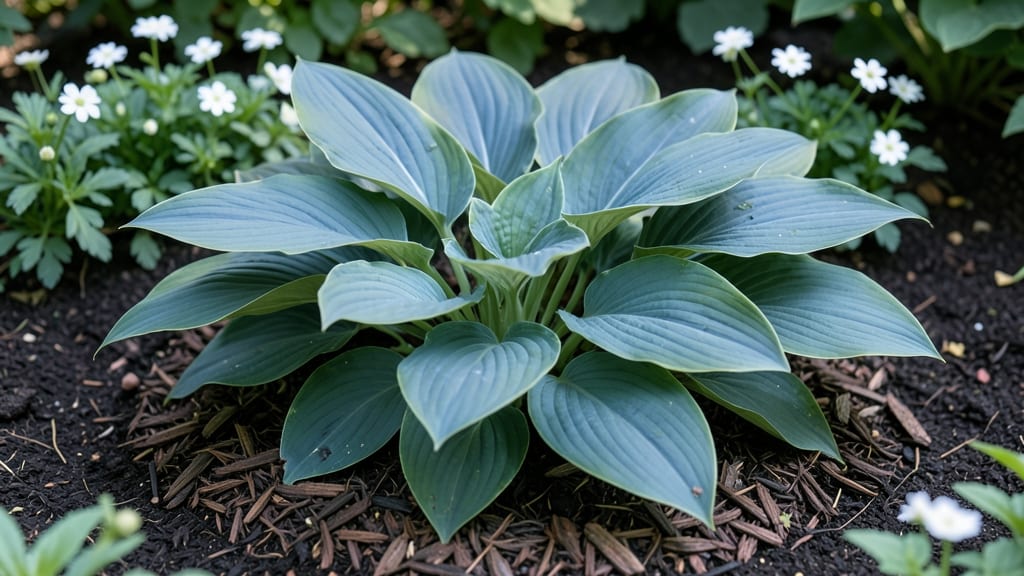
A part shade garden transforms tricky spaces into lush, ever-changing havens where plants thrive without fighting for sunlight. ✨ I’ve designed three of these myself—each one a layered tapestry of texture and color that blooms from spring through fall, even under the dappled light of mature trees.
The secret lies in pairing shade-tolerant perennials like hostas and ferns with sun-loving accents that get just enough light to shine. Think astilbes for summer plumes, bleeding hearts for spring drama, and ornamental grasses that sway year-round.
Even a small area can become a thriving ecosystem with the right plant mix.
You’ll end up with a garden that feels alive in every season—velvety hosta leaves in summer, delicate fern fronds in fall, and winter interest from evergreen shrubs. The best part? Less watering, fewer weeds, and a space that stays beautiful without constant maintenance.
Works for urban courtyards, woodland edges, or even the north side of your house. Here’s how to layer it like a pro—no green thumb required, just good planning.
📚 In This Guide
- What you need
- Instructions
- Tips and common mistakes
- Wrapping up and next steps
What you need
- ● Soil Amendments: 2–3 bags (20–40 lbs each) of compost or well-rotted manure (for nutrient-rich soil)
- ● 1 bag (50 lbs) of peat moss or coconut coir (for moisture retention and aeration)
- ● 1 bag (40 lbs) of perlite or vermiculite (for drainage)
- ● Mulch: 3–5 cubic feet of wood chips, shredded bark, or pine straw (to retain moisture and suppress weeds)
- ● Plants (Native or Adapted to Part Shade): 5–10 hostas (for foliage and texture)
- ● 3–5 heucheras (for vibrant leaves)
- ● 2–3 ferns (e.g., maidenhair or ostrich fern)
- ● 1–2 hydrangeas (for seasonal blooms)
- ● 1–2 astilbes or foamflowers (for delicate flowers)
- ● A garden trowel (for transplanting)
- ● A pruning shears (for shaping and maintenance)
- ● A garden fork (for loosening soil)
- ● A wheelbarrow (for transporting materials)
- ● A watering can or hose with a gentle spray nozzle (for hydration)
- ○ Optional but Helpful: A soil pH tester (to ensure optimal growing conditions)
- ● Slow-release fertilizer granules (for added nutrients)
- ● A garden kneeler or pad (for comfort)
- ● A designated part-shade area (3–6 hours of filtered sunlight daily)
- ● Access to a water source (hose or irrigation system)
- ● Basic knowledge of plant spacing (check plant tags for guidance)
- ○ Optional: A sketch or layout plan of your garden design
How to design a thriving part shade garden
Here's my go-to approach for creating a lush, low-maintenance garden that thrives in dappled light.
🌱 Step 1: Assess Your Shade Patterns
Start by observing your space at different times of day. Part shade means 3-6 hours of direct sun, but the intensity varies—morning sun feels different from afternoon. I mark the ground with stakes to track where light hits and when. This helps me choose plants that match each microclimate.
Look for areas where sunlight filters through trees or buildings. These spots often have bright, shifting light patterns that change with the seasons. Note where the ground stays damp longer—this indicates where moisture-loving plants will excel.
🪴 Step 2: Plan Your Plant Layers
Layering creates depth and visual interest while making the most of vertical space. Begin with tall plants (3-6 feet) like astilbe or ferns at the back, then add mid-height shrubs (2-3 feet) such as hydrangeas or coral bells. Fill the front with low-growing ground covers (6-12 inches) like ajuga or creeping phlox.
I sketch a rough layout on graph paper, using different colors for each layer. This helps me visualize how plants will mature and fill in over time. For example, hostas and ferns thrive in the shade layer, while impatiens or begonias add pops of color in the front.
☀️ Step 3: Select the Right Plants for Each Layer
For the back layer, choose plants that tolerate partial shade but still need some light, like Japanese forest grass or tall garden phlox. These handle the competition for light while adding height and texture. I avoid dense shrubs here—they can block light from reaching lower layers.
In the middle layer, opt for plants that bloom prolifically in part shade, such as astilbe or heuchera. These provide seasonal color without demanding full sun. For the front layer, select shade-tolerant annuals like impatiens or ferns to keep the area lush and weed-free.
💧 Step 4: Prepare the Soil and Plant
Amend the soil with 2-3 inches of compost to improve drainage and fertility, especially if your area stays damp. Part-shade gardens often have heavier soil, so I mix in perlite or coarse sand to prevent compaction. This ensures roots get the air and moisture they need.
Dig holes twice as wide as the root ball but only as deep. Place each plant so the top of the root ball sits 1 inch below soil level. This prevents stem rot while keeping the plant stable. Water deeply after planting to settle the soil and eliminate air pockets.
✂️ Step 5: Maintain and Adjust Over Time
Check plants weekly for signs of stress, like yellowing leaves or stunted growth. If a plant isn’t thriving, it may need more light—try moving it closer to the edge of the shaded area. I also prune spent blooms regularly to encourage new growth and keep the garden looking tidy.
Mulch with 2-3 inches of organic material like shredded bark to retain moisture and suppress weeds. In early spring, top-dress with a light layer of compost to replenish nutrients. This keeps the garden vibrant without overworking the soil.
Tips & tricks for perfect part shade garden design
A few simple strategies will help you create a thriving garden that makes the most of dappled light.
Light Mapping Strategy: I can't stress enough how important it is to observe your space at different times of day. Those 3-6 hours of direct sun aren't always consistent—morning light behaves differently than afternoon. I use small stakes to mark the edges of sunlight throughout the day. This helps me identify microclimates where certain plants will thrive. For example, the north side of a tree might get only 3 hours of morning sun, while the south side gets 6 hours of afternoon light.
Layering Height Hack: When planning your layers, remember that the back layer plants (like astilbe or ferns) should be 3-6 feet tall to catch the light without blocking lower layers completely. I like to leave about 12 inches of space between the top of each layer to allow light to filter through. This creates that beautiful, airy feel while ensuring all plants get some sunlight.
Soil Prep Pro Tip: That 2-3 inches of compost you're adding is crucial, but don't skip the perlite or sand for part-shade gardens. The heavier soil in shaded areas can become compacted, starving roots of oxygen. I mix in about 1 part perlite to 3 parts soil for every planting hole. This improves drainage while maintaining moisture retention—perfect for plants that prefer damp conditions without being waterlogged.
Plant Placement Precision: When you're planting, that 1 inch below soil level rule is non-negotiable for stability. But here's what nobody tells you—if you're planting in containers, use the same depth guideline but add 1 extra inch of gravel at the bottom for drainage. This prevents root rot while keeping plants secure. Also, face taller plants toward the light source to maximize their exposure.
Pro Tips for Part Shade Garden
- A few simple strategies will help you create a thriving garden that makes the most of dappled light.
- Light Mapping Strategy: I can't stress enough how important it is to observe your space at different times of day.
- Layering Height Hack: When planning your layers, remember that the back layer plants (like astilbe or ferns) should be 3-6 feet tall to catch the light without blocking lower layers completely.
Frequently asked questions
Got questions about creating a thriving part shade garden? You’re not alone!
Here are answers to the most common queries to help you design with confidence.
What exactly is "part shade," and how do I measure it?
Part shade means 3–6 hours of sunlight daily, with dappled light or filtered sun (like under trees or near buildings). Use a sunlight tracker for a week to map your garden’s light patterns. Morning sun is gentler than harsh afternoon rays—ideal for many shade-loving plants!
When is the best time to plant a part shade garden?
Plant in early spring or fall when soil is workable but not scorching. Avoid summer heatwaves, which stress young plants. Evergreens and perennials can handle cooler temps, while tender annuals thrive after the last frost. Mulch helps retain moisture during dry spells!
Can I grow vegetables in a part shade garden?
Opt for leafy greens (kale, spinach), herbs (cilantro, parsley), and root veggies (carrots, beets)—they tolerate lower light. Avoid heavy fruiting crops like tomatoes or peppers. Container gardening works well for moving plants to sunnier spots if needed.
What if my garden gets too much shade? Can I fix it?
Try these fixes:
- Thin tree branches to increase light.
- Plant taller, sun-loving species (like sunflowers) near the shade’s edge to "lift" light to shorter plants.
- Use reflective surfaces (mirrors or light-colored walls) to bounce extra light into darker corners.
What are the best low-maintenance plants for part shade?
Start with these hardy, resilient picks:
- Hostas (shade-tolerant foliage)
- Hydrangeas (vibrant blooms, minimal care)
- Ferns (textural, drought-resistant)
- Lungwort (perennial, deer-resistant)
Wrapping up and next steps
A part shade garden is your ticket to year-round color and texture without the sunburn risk! By embracing the right plants, strategic layering, and a few smart design tricks, you’ll create a lush, low-maintenance oasis that thrives in dappled light.
Whether you’re a seasoned gardener or just starting, this space is your chance to experiment with bold foliage, fragrant blooms, and seasonal interest.
Ready to dive in? Start small—pick one corner of your yard, gather a few key plants, and watch your part shade garden transform! 🌿✨ Need inspiration? Browse our plant guides or sketch a quick layout to bring your vision to life!