
Size
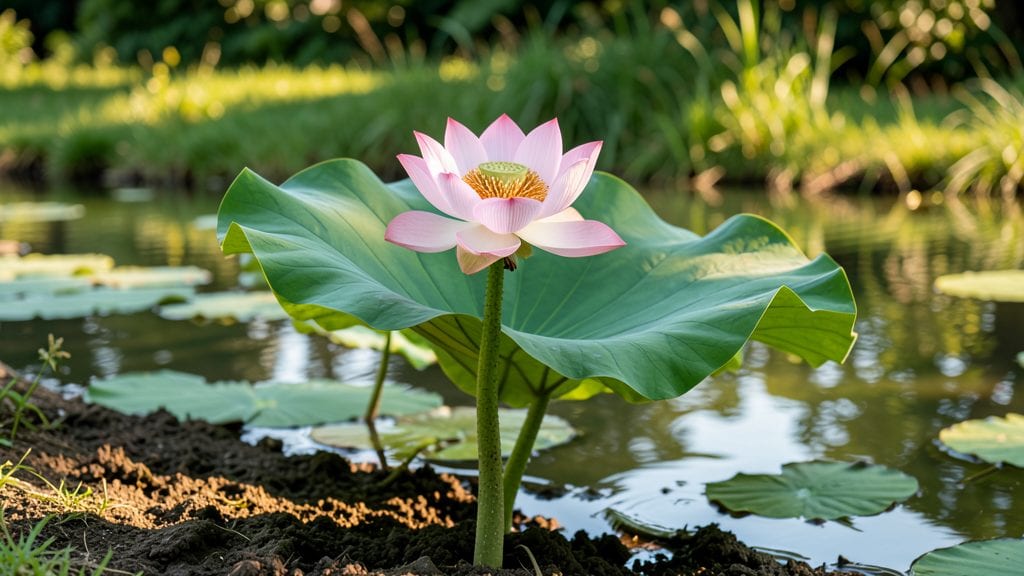
Growing a stunning lotus flower in your garden doesn’t require a pond—just a clever container setup to replicate their water-loving roots. My first attempt used a 20-gallon container with a water-filled base and well-draining soil mix, and those pink blooms appeared by midsummer.
You’ll need a container with at least 12 inches of depth, a water reservoir at the bottom, and a soil mix that drains well but stays moist. Lotus roots thrive when their lower half sits in 3-6 inches of water, while the top stays dry.
Most garden centers sell rhizomes in late spring, but you can also divide established plants—just avoid disturbing the roots too much during transplanting.
By late summer, you’ll be rewarded with blooms that open in the morning and close by afternoon, their petals glowing like stained glass. The key is consistent moisture—never let the roots dry out, but avoid stagnant water that invites pests.
With the right setup, even small patios can host these majestic plants without needing a backyard pond.
Works equally well in USDA Zones 4-10, though colder climates need winter protection. The same principles apply whether you’re growing in a whirlpool planter or a custom-built barrel setup. Here’s how to keep them thriving all season.
📚 In This Guide
- What you need
- Instructions
- Tips and common mistakes
- Wrapping up and next steps
What you need
- ● Lotus Tubers: 3–5 hardy tubers (choose Nelumbo nucifera or Nelumbo lutea for best results).
- ● Container: A wide, shallow pot (12–18" diameter) with drainage holes. Pro tip: Use a fiberglass or plastic pot to prevent cracking.
- ● Potting Soil: 3–5 gallons of waterlogged soil mix (50% peat moss, 30% garden soil, 20% perlite/sand).
- ● Water: Fresh, clean water (lotuses thrive in 6+ inches of standing water—no chlorine!).
- ● Fertilizer: Balanced aquatic plant fertilizer (5-5-5 NPK) or slow-release pellets.
- ● Gloves & Pruners: For handling tubers and trimming foliage.
- ● pH Test Kit: Ideal pH range: 6.0–7.5 (adjust with lime or sulfur if needed).
- ○ Mulch (Optional): Gravel or small pebbles to keep soil in place.
- ● Sunlight Access: Full sun (6+ hours daily)—place near a window or balcony.
- ○ Support Stakes (Optional): For tall varieties to prevent toppling.
Step-by-Step instructions for growing lotus flowers in containers
Transform your small space into a serene aquatic haven with these precise steps for container lotus cultivation.
Select and Prepare the Right Container
Lotus roots need 12-18 inches of water depth and a minimum 12-inch diameter container for each plant. I recommend using fiberglass or heavy-duty plastic tubs—they won’t crack under seasonal temperature shifts. Drill multiple drainage holes at the bottom to prevent stagnation, then line the container with a landscape fabric barrier to keep roots contained while allowing water flow.
Place your container in a location that receives full sun for at least 6-8 hours daily. Morning sun is ideal—it prevents afternoon heat stress on the delicate leaves. If your space only offers partial sun, choose a hardy lotus variety like Nelumbo nucifera 'Alba', which tolerates 5-6 hours of sunlight with slightly reduced blooming.
Plant the Lotus Rhizomes Correctly
Your lotus rhizomes should arrive dormant, with eyes (buds) visible along the thickened stems. Plant them horizontally in the container, spacing 4-6 inches apart between each eye. Cover the rhizomes with 2-3 inches of aquatic soil mix, ensuring the eyes remain uncovered—this is critical for growth. Press the soil gently to eliminate air pockets but avoid compacting it.
Fill the container with dechlorinated water until the water level reaches just below the soil surface. Use a water conditioner to remove chlorine and heavy metals, which can inhibit root development. Let the water settle for 24 hours before adding any fish or beneficial aquatic organisms—this allows the rhizomes to establish without disturbance.
Maintain Water Quality and Temperature
Lotus thrive in warm water between 70-85°F. Use a submersible aquarium heater to maintain temperature consistency, especially in cooler climates. Test water parameters weekly: pH should stay between 6.5-7.5, and ammonia/nitrites must read zero. A small air pump with a diffuser stone keeps oxygen levels optimal—stagnant water leads to root rot within 10-14 days.
Top off evaporated water with dechlorinated tap water, but avoid sudden changes in volume. You’ll notice new shoots emerging within 3-4 weeks—this confirms successful planting. If growth stalls after 6 weeks, check for low light exposure or nutrient deficiencies (add a slow-release aquatic fertilizer if needed).
Fertilize and Prune for Healthy Blooms
Feed your lotus plants every 4-6 weeks during the growing season (spring to fall) using a balanced aquatic fertilizer with equal parts nitrogen, phosphorus, and potassium. I apply half the recommended dose to prevent algae overgrowth—lotus are heavy feeders but sensitive to excess nutrients. Scatter granules evenly across the soil surface, then gently stir them into the top inch.
Remove yellowed or damaged leaves immediately to redirect energy to new growth. Once blooms appear, cut spent flowers at the stem base to encourage more buds. Prune overly long stems in early summer to maintain a compact shape—this prevents the container from becoming top-heavy and tipping over during storms.
Overwintering and Year-Round Care
As temperatures drop below 50°F, lotus enter dormancy. Reduce water levels to 2-3 inches above the rhizomes and move the container to a cool, dark location (like a garage or basement). Check water weekly—it should remain just moist, not soggy. In late winter (around February), return the container to sunlight and gradually increase water levels over 2 weeks to restart growth.
This is the moment that matters: wait until water temperature stabilizes above 60°F before resuming fertilization. You’ll see new shoots within 3-4 weeks—this signals the plant is ready for another growing season. If your climate doesn’t allow outdoor overwintering, use a grow light to supplement 8-10 hours of light daily during dormancy.
Tips & tricks for perfect container-grown lotus flowers
Container lotus cultivation rewards patience and precision—here’s how to maximize your chances of success with these proven strategies.
Container Selection Matters: While fiberglass or heavy-duty plastic tubs are ideal, avoid glazed ceramic containers—they can crack under seasonal temperature shifts. For larger setups, consider repurposed livestock troughs (available at farm supply stores) that provide the necessary 12-18 inches of water depth. I've found that adding a second drainage layer of pea gravel beneath the landscape fabric prevents clogging over time, which is especially important in containers where water circulation is more limited.
Light Exposure is Non-Negotiable: The 6-8 hours of full sun requirement isn't just about blooms—it's about survival. Morning sun is critical because it allows leaves to dry slightly before evening, reducing fungal risks. If you're working with partial sun conditions, position your container where it receives the most intense sunlight possible, even if it means rotating the container weekly to expose different sides to optimal light. For indoor growers using grow lights, maintain an 8-10 hour light cycle at a distance of 12-18 inches above the water surface.
Rhizome Planting Precision: When planting those rhizome eyes horizontally in Step 2, think of them like clock faces—each eye should point in a different direction to maximize growth potential. The 2-3 inches of aquatic soil coverage is crucial: too little exposes the rhizomes to rot, while too much suffocates them. I've learned this the hard way after losing three batches to improper planting depth. After covering, gently press the soil with your fingers to eliminate air pockets, then immediately add water to prevent the soil from drying out during the critical 24-hour establishment period.
Water Chemistry is the Silent Game-Changer: The 70-85°F temperature range and 6.5-7.5 pH balance create the perfect environment for lotus growth, but these parameters require regular monitoring. I recommend testing water parameters every 7-10 days during the growing season, not just weekly. A simple liquid test kit (available at pet stores for aquarium use) is more reliable than test strips for the precise readings you need. Remember that even small deviations—like a pH of 7.6—can stress your plants over time, leading to stunted growth or yellowing leaves.
Pro Tips for Lotus Flower Grow A Garden
- Container lotus cultivation rewards patience and precision—here’s how to maximize your chances of success with these proven strategies.
- Container Selection Matters: While fiberglass or heavy-duty plastic tubs are ideal, avoid glazed ceramic containers—they can crack under seasonal temperature shifts.
- Light Exposure is Non-Negotiable: The 6-8 hours of full sun requirement isn't just about blooms—it's about survival.
Frequently asked questions
Got questions about growing lotus flowers in containers?
You’re not alone! Here are answers to the most common concerns—from timing to troubleshooting—so you can cultivate stunning blooms with confidence.
Can lotus flowers grow in small containers, or do they need a pond?
Lotus flowers can thrive in containers as small as 12–18 inches deep, but they need at least 6–8 inches of water to keep their rhizomes submerged. For compact spaces, opt for dwarf varieties (like Nelumbo lutea) and use a shallow tub or even a large bucket with a water pump for circulation. Just ensure the container is wide enough to support the plant’s spread!
How long does it take for lotus flowers to bloom after planting?
Patience is key! Hardy lotus rhizomes may take 3–5 months to sprout, while tropical varieties can bloom in 2–3 months under ideal conditions (warm water, full sun, and nutrient-rich soil). Pro tip: Use a water heater or place your container in a sunny spot to speed up growth. Late summer is prime for vibrant blooms, but some varieties (like white lotus) may surprise you with early flowers!
Do I need to add fertilizers, or is pond water enough?
Pond water alone won’t cut it—lotuses are heavy feeders! Use a balanced aquatic plant fertilizer (like 10-10-10) every 4–6 weeks during growing season. For organic options, try compost tea or fish emulsion. Warning: Avoid over-fertilizing, which can cloud the water and harm roots. A slow-release tablet (like Osmocote) works well for low-maintenance care.
What pests or problems should I watch for in container lotuses?
Common issues include aphids, snails, and fungal rot from stagnant water. Prevent pests by introducing goldfish or koi (they snack on bugs!) and keeping water moving with a small fountain. For rot, ensure rhizomes stay submerged but not buried in mud. Quick fix: Rinse leaves with neem oil if you spot aphids, and refresh water weekly to deter slugs.
Can I grow lotus flowers indoors, or do they need outdoor sunlight?
Lotus flowers are sun-worshippers and need 6–8 hours of direct sunlight daily. While you can grow them indoors near a south-facing window, they’ll likely produce fewer blooms. For best results, place your container outside in summer and move it indoors (to a bright spot) when temperatures drop below 50°F (10°C). Bonus: A grow light can supplement weak sunlight, but outdoor growth is always more rewarding!
What’s the easiest lotus variety for beginners in containers?
Start with dwarf lotus (Nelumbo lutea)—it’s hardy, compact (reaches 1–2 feet tall), and tolerates cooler water (down to 50°F/10°C). Other beginner-friendly picks:
- Nelumbo nucifera ‘Alba’ (white lotus, fragrant blooms)
- Nelumbo lutea ‘Texas Dawn’ (yellow, heat-resistant)
- Nelumbo pentapetala (small pink flowers, drought-tolerant)
Wrapping up and next steps
Growing lotus flowers in containers is a rewarding journey that proves even small spaces can bloom with beauty! 🌸 With the right soil, sunlight, and care, you’ll soon enjoy their serene presence—whether floating in a pond or thriving in a pot. Start small, stay patient, and watch your garden transform into a tranquil oasis.
Ready to dive deeper? Pick your favorite lotus variety and sketch a simple container plan today! 🌱 Your future garden awaits—happy planting!