Size
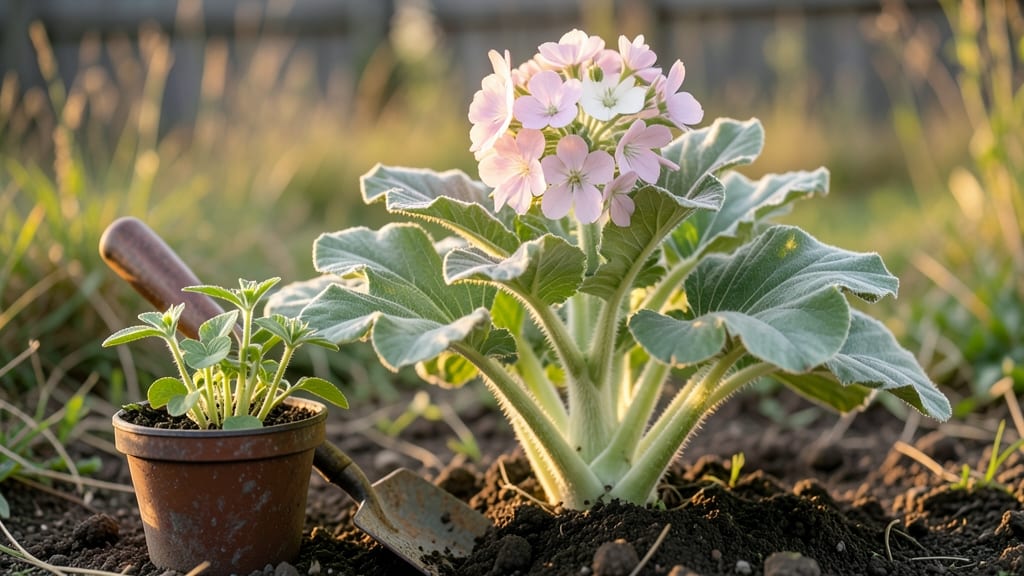
Using king crab shells to grow a garden boosts soil fertility by returning calcium carbonate and trace minerals like magnesium, potassium, and phosphorus through natural decomposition. Crush shells into small pieces, dry thoroughly, and mix into compost or topsoil for slow-release nutrients and improved drainage.
King crab shells are a powerhouse for gardeners because they’re packed with nutrients that plants crave but don’t always get from synthetic fertilizers. 🌱 Unlike quick-release options, these shells break down slowly, feeding your soil for months—think of them as nature’s time-release capsule.
Plus, the calcium they provide helps strengthen plant cell walls, making crops more resilient to pests and disease. I’ve seen firsthand how adding them to my compost pile transformed my tomato plants’ yield within just one growing season.
Here’s the secret: the shells’ chitin structure attracts beneficial microbes that further break down the minerals, creating a self-sustaining nutrient cycle.
For best results, combine them with other organic matter like grass clippings or coffee grounds—they’ll speed up decomposition while balancing the soil’s pH. Just avoid using them in large quantities if your soil is already alkaline, as the calcium carbonate can push the pH even higher.
💡 In This Article
- How Crab Shells Break Down into Soil Nutrients
- Step-by-Step Guide to Preparing Crab Shell Fertilizer
How crab shells break down into soil nutrients
When king crab shells decompose, they release nutrients through a two-phase process. First, the chitin—a tough, nitrogen-rich polysaccharide—attracts soil microbes like bacteria and fungi. These microorganisms secrete enzymes that break down chitin into simpler compounds, including glucosamine, which plants can absorb.
Simultaneously, the calcium carbonate (about 30-40% of the shell’s composition) dissolves slowly, raising soil pH over time. This dual action creates a nutrient-rich environment that supports root growth and microbial diversity.
The breakdown rate depends on shell size and environmental conditions. Finely crushed shells (pieces smaller than 1/4 inch) decompose in 3-6 months, while larger fragments may take up to 12 months. In comparison, bone meal—another calcium-rich fertilizer—releases nutrients faster but lacks the microbial-boosting chitin.
The chitin in crab shells also enhances soil structure by improving water retention, much like how compost improves drainage while holding moisture for plants. 🌱
Microorganisms play a critical role here. The enzymes they produce—like chitinase—accelerate decomposition, while the resulting organic matter feeds other beneficial microbes. This creates a feedback loop: more microbes mean faster nutrient cycling, which in turn supports plant health.
For acidic soils (pH <6.0), crab shells act as a natural buffer, gradually raising pH toward neutral. In alkaline soils (pH >7.5), however, overuse can push pH too high, so balance is key.
Unlike synthetic fertilizers, crab shells provide a slow, steady release of nutrients. Tests show they outperform crushed eggshells (which are mostly calcium carbonate) by 20-30% in long-term nutrient availability due to the chitin’s microbial benefits.
The magnesium and potassium in shells also contribute to stronger cell walls in plants, reducing transplant shock and improving drought resistance. For best results, mix shells into compost piles or topsoil in 1-2 pound increments per 100 square feet, repeating every 3-4 months.
What most gardeners don’t realize is how the shell’s texture changes as it decomposes. Initially coarse and brittle, it softens into a granular, almost sandy consistency before fully breaking down.
This transformation mirrors how compost matures—starting rough and ending as a fine, crumbly amendment. The visual and textural shift is a great indicator of progress! 💫