
Pests
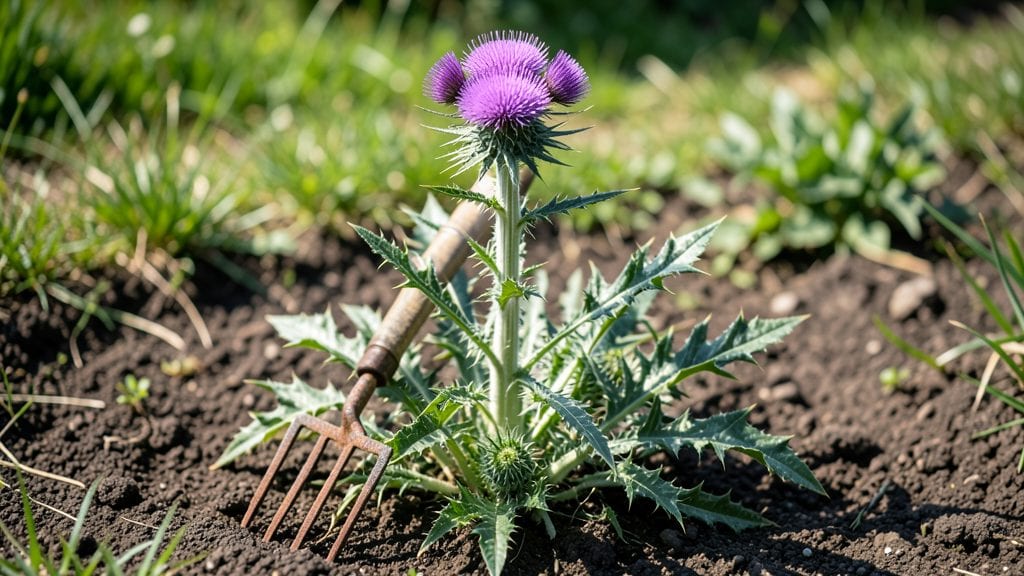
Removing thistles from your garden feels like fighting a never-ending battle—until you learn the right approach. I’ve spent years wrestling with these spiky invaders, and I’ve finally cracked the code to banishing them for good, without resorting to harsh chemicals.
The key isn’t brute force; it’s timing, the right tools, and a little strategy to keep them from bouncing back.
You’ll need heavy-duty gloves, a sturdy garden fork, and either a sharp spade or a dedicated weed puller. For stubborn roots, a pair of bolt cutters works wonders—just don’t let those thorns get you.
The best time to tackle them is when they’re young, before they’ve had a chance to send down deep taproots. A 30-minute session on a dry day, with the soil slightly loosened, makes the job almost foolproof.
Pulling them by hand might seem tedious, but it’s the most effective way to avoid regrowth. Dig deep—those roots can stretch 2 feet into the soil—and snap them off at the base.
For larger patches, a vinegar-based spray (equal parts vinegar, water, and dish soap) works as a natural herbicide, but always spot-test first. The satisfaction of a clean garden? Priceless.
Here’s the secret to long-term success: smother the area with cardboard or mulch afterward, and plant something dense to outcompete any stragglers. Thistles hate shade and competition, so a thick layer of straw or ground cover does the trick.
Once you’ve mastered this, your garden will stay thistle-free for seasons to come.
📚 In This Guide
- What you need
- Instructions
- Tips and common mistakes
- Wrapping up and next steps
What you need
- ● Garden gloves (heavy-duty, long-cuffed) – 1 pair (thistles pack a punch—protect your hands!)
- ● Hand trowel or weeding fork – 1 (for digging out deep roots)
- ● Garden pruners or loppers – 1 pair (for cutting thick stems)
- ● Garden hoe or scuffle hoe – 1 (for slicing thistles at the base)
- ● Trash bags or compost bin – 1-2 large bags (for disposal)
- ● Vinegar (20-30% acetic acid) – 1 gallon (for natural herbicide spray)
- ● Dish soap – 1 tbsp (to help vinegar stick to leaves)
- ● Spray bottle or garden sprayer – 1 (for vinegar mixture)
- ● Boiling water – 1-2 gallons (pour directly on thistle roots for instant kill)
- ● Salt or Epsom salt – 1 cup (mix with vinegar for extra potency)
- ● Mulch (cardboard, straw, or wood chips) – 1-2 layers (to smother regrowth)
- ● Knee pads – 1 pair (for comfort during long sessions)
- ● Safety goggles – 1 pair (if using harsh chemicals or near eyes)
Step-by-step instructions for eliminating thistles from your garden
Here’s the most efficient method I’ve used to clear stubborn thistles without resorting to harsh chemicals.
Identify and Assess the Thistle Infestation
Thistles thrive in disturbed soil, so start by examining the garden bed carefully. Look for the deep purple or pink flower stalks with spiky leaves—these are mature plants that need immediate attention. Younger thistles have smaller, less aggressive foliage but can spread just as quickly if ignored. I recommend working on a 4-square-foot section at a time to avoid exhaustion while ensuring thorough removal.
Dig around the base of each plant to check for secondary roots or offshoots. Thistles often send out lateral roots that regenerate if left behind. If you spot any, mark the area with a small stake or flag so you can return later and dig deeper. This step ensures you don’t waste time on incomplete removals.
Use the Right Tools for Deep Extraction
Grab a garden fork or d-handle weeding tool—these are designed to penetrate deep into the soil without straining your back. Insert the fork 2-3 inches away from the thistle’s base and pry downward, loosening the root system. Thistles have taproots that can extend 12-18 inches deep, so leverage is key. If the soil is compacted, a few firm taps with the fork will help break it up before pulling.
Once the root is exposed, grip the base firmly and twist counterclockwise to dislodge it entirely. You’ll know you’ve succeeded when the entire root comes out cleanly, leaving no fragments behind. If the root snaps off, dig deeper to remove the remaining piece—even a 1-inch stub can regrow into a full plant within weeks.
Dispose of Thistles Properly to Prevent Regrowth
Never compost thistles, even if they’re uprooted. The seeds can remain viable for years, and any remaining root fragments will sprout anew. Instead, place the entire plant—roots, stems, and all—in a sealed plastic bag or directly into the trash. If you’re dealing with a large infestation, consider double-bagging to prevent seeds from escaping during disposal.
For stubborn thistles in tight spaces, like between pavers or along fences, use a glove with reinforced palms to protect your hands. Wear long sleeves and eye protection, as the spines can irritate skin and eyes. After removal, rinse your tools with soapy water to remove any clinging seeds or debris.
Treat the Soil to Suppress Future Growth
Thistles return quickly if the soil conditions remain favorable. After removal, apply a 2-inch layer of mulch (such as wood chips or straw) to the affected area. This blocks sunlight, which thistles need to germinate, and improves soil health over time. For bare spots, sprinkle compost or well-rotted manure to restore nutrients and encourage beneficial microbes that outcompete weeds.
If thistles keep reappearing in the same spot, consider a vinegar-based herbicide (a mix of 1 gallon white vinegar, 1 cup salt, and 1 tablespoon dish soap) applied directly to the soil. This isn’t a long-term solution but can buy you time while you improve soil health. Reapply mulch immediately after treatment to prevent regrowth.
Monitor and Maintain a Thistle-Free Garden
Check the treated area weekly for the first month, then biweekly afterward. Thistles grow fast, and even a single missed seedling can become a problem. If you spot new growth, remove it immediately using the same deep-digging method. Over time, your garden’s soil will become less hospitable to thistles as organic matter improves and competing plants fill in.
To prevent future infestations, avoid tilling heavily or disturbing the soil unnecessarily. Thistles exploit bare or disturbed ground, so maintaining a dense ground cover—whether through plants, mulch, or living mulches like clover—will naturally suppress them. With consistent effort, your garden will stay thistle-free for seasons to come.
Tips & tricks for eliminating thistles from your garden
Here’s what I’ve learned from years of battling thistles—these tricks will make the process faster and more effective.
The 4-Square-Foot Rule: Working in sections this size prevents overwhelm while ensuring you don’t miss any thistles. I’ve found that when I try to tackle larger areas, I inevitably miss some, and they come back stronger. This methodical approach also helps you see the full scope of the infestation, so you can plan your follow-up soil treatment more effectively.
Root Extraction Technique: When using a garden fork, position it 2-3 inches away from the base and pry downward with firm pressure. The key is to loosen the soil around the root before attempting to pull. I’ve ruined several gloves trying to yank thistles straight out—this method reduces the chance of breaking roots. If the soil is particularly compacted, a few taps with the fork will help break it up before pulling.
Secondary Root Detection: Always dig around the base to check for lateral roots—even a 1-inch stub can regenerate into a full plant. I’ve seen thistles come back within weeks from what I thought was a complete removal. Marking the area with a stake or flag ensures you can return later if needed, saving you time in the long run.
Disposal Strategy: Double-bagging thistles is non-negotiable for large infestations. I’ve had seeds escape single bags and create new problems elsewhere in the garden. Rinse your tools with soapy water immediately after use—this removes any lingering seeds that could spread to other areas.
Pro Tips for Get Rid Of Thistles In Garden
- Here’s what I’ve learned from years of battling thistles—these tricks will make the process faster and more effective.
- The 4-Square-Foot Rule: Working in sections this size prevents overwhelm while ensuring you don’t miss any thistles.
- Root Extraction Technique: When using a garden fork, position it 2-3 inches away from the base and pry downward with firm pressure.
Frequently asked questions
Got lingering questions about banishing thistles from your garden? Here’s a quick rundown of the most common concerns—plus expert-backed solutions to keep your yard thistle-free!
Q: How do I know if I’m dealing with thistles vs. other weeds?
Thistles have spiky, jagged leaves and tall, prickly stems topped with purple or pink flowers. Unlike dandelions (which have toothed leaves) or clover (with trifoliate leaves), thistles are easily identifiable by their sharp, hair-like spines. If you’re unsure, snap a photo and compare it to online guides!
Q: What’s the best time of year to remove thistles?
Target thistles in early spring or late fall when they’re young and haven’t yet developed deep roots. Summer removal is possible, but you’ll need to dig deeper or use herbicides (since thistles grow aggressively in warm weather). Pro tip: Mulch bare soil in winter to prevent new seeds from sprouting!
Q: Will vinegar or boiling water work as thistle killers?
Yes! White vinegar (20-30% acetic acid) or boiling water can kill thistles, but they’re most effective on small plants. For larger thistles, combine vinegar with 1 tbsp dish soap (to break surface tension) and reapply every 2–3 days. Boiling water works best for spot treatments—just pour it directly onto the base. Note: These methods won’t destroy roots, so follow up with digging!
Q: How do I protect my hands while pulling thistles?
Thistle spines are no joke—wear thick gardening gloves (like leather or heavy-duty rubber) and long sleeves to avoid painful pricks. For extra protection, wrap the base of the thistle in a towel before pulling to minimize contact. If you get pricked, wash with soap and water, then apply aloe vera or hydrocortisone cream to soothe irritation.
Q: What’s the best long-term prevention for thistles?
Thistles thrive in disturbed soil, so prevent them before they start:
- Mulch garden beds with 3–4 inches of straw or wood chips to block sunlight and suppress seeds.
- Hand-pull or hoe weeds regularly (thistles can’t compete with dense ground cover).
- Solarize soil in summer by covering it with clear plastic for 4–6 weeks to kill seeds.
- Avoid over-fertilizing—thistles love nutrient-rich soil.
Wrapping up and next steps
Removing thistles from your garden doesn’t have to be a battle—with the right tools and techniques, you can reclaim your space in no time! Whether you opt for manual pulling, vinegar solutions, or preventative mulching, consistency is key.
Start small, stay persistent, and soon your garden will be thistle-free and thriving!
Ready to take action? Grab your gloves, pick your method, and get started today! Your future self (and your plants) will thank you. 🌱✨