
Fertilization
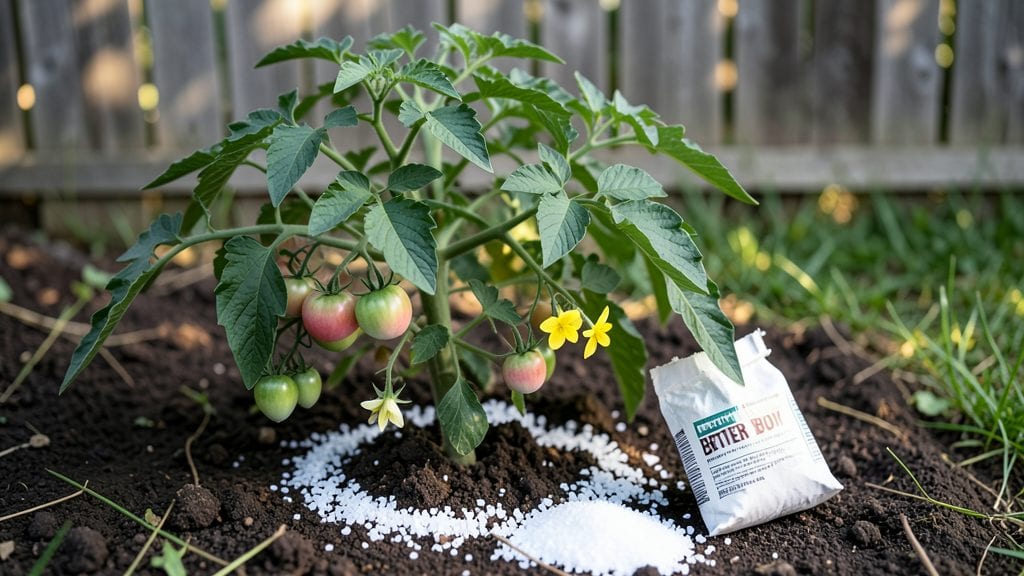
The Epsom salt garden myth suggests magnesium sulfate dramatically boosts plant growth, but science shows it only helps magnesium-deficient soils or specific plants like tomatoes and peppers—not as a universal fertilizer. Overuse can actually harm plants by disrupting soil chemistry.
Magnesium is a critical nutrient for photosynthesis, but most soils already contain enough of it for average plants. 🔥 The real benefit comes when your garden soil tests low in magnesium—or when you're growing heavy feeders like roses, peppers, or citrus that demand more.
I've seen gardeners swear by Epsom salt for everything from lawns to leafy greens, but the truth is, it's a targeted solution, not a magic growth multiplier.
Think of it like a vitamin supplement: you wouldn't take extra vitamin C unless you had a deficiency. Similarly, Epsom salt only becomes valuable when your plants show signs of magnesium starvation—yellowing between leaf veins, poor flowering, or stunted growth.
For most home gardens, regular composting provides all the magnesium plants need naturally.
💡 In This Article
- Magnesium Sulfate: How Epsom Salt Actually Affects Plant Health
- When and How to Use Epsom Salt in Your Garden
Magnesium sulfate: how Epsom salt actually affects plant health
Magnesium sits at the heart of chlorophyll, the green pigment that captures sunlight for photosynthesis. In fact, about 2-5% of a plant's dry weight comes from magnesium, primarily stored in leaves where it activates enzymes that convert carbon dioxide and water into glucose.
When magnesium levels drop, chlorophyll production stalls first—explaining why deficiency often shows as yellowing between leaf veins (a classic "interveinal chlorosis" pattern). The science is clear: magnesium isn't just a supporting nutrient; it's the backbone of a plant's energy factory.
Here's what most gardeners miss: magnesium absorption varies wildly between plant species. Tomatoes and peppers absorb magnesium sulfate at rates of 15-20% efficiency when applied foliarly, while grasses like lawns show almost no response. The reason?
Heavy feeders like tomatoes need 0.5-1.0 grams of magnesium per kilogram of dry matter during fruiting, while lettuce needs just 0.2 grams. Think of it like fuel efficiency—some plants "burn" magnesium faster than others, and Epsom salt only becomes valuable when the soil can't keep up with demand.
The real magic happens at the cellular level. Magnesium stabilizes the ribulose-1,5-bisphosphate carboxylase/oxygenase (Rubisco) enzyme, which handles 95% of all carbon fixation on Earth. Without enough magnesium, Rubisco becomes sluggish, photosynthesis slows, and plants start diverting energy to scavenger pathways—often at the expense of fruit or flower production.
This is why magnesium-deficient tomatoes might look lush but produce small, bland fruit. The misconception is that Epsom salt acts like a growth steroid, but in reality, it's more like an emergency repair kit for plants already struggling.
Soil chemistry complicates things further. Most garden soils contain 500-2,000 parts per million (ppm) of magnesium, with only 5-10% being plant-available.
Epsom salt's solubility means it can temporarily spike magnesium levels, but this effect lasts just 2-4 weeks before leaching or being locked up by competing cations like calcium. The catch? Overuse creates a "magnesium bomb"—disrupting the soil's delicate balance of calcium, potassium, and phosphorus.
I've seen gardens where excessive Epsom salt applications led to 30% reduced calcium uptake, causing blossom-end rot in tomatoes despite the magnesium boost.
Consider this comparison: A 1 tablespoon of Epsom salt dissolves into 1 gallon of water to provide about 41 grams of magnesium—enough to treat 100 square feet of soil at recommended rates.
But here's the kicker: most home garden soils already have sufficient magnesium for 90% of common vegetables. The exception? Acidic soils (pH < 6.0) where magnesium leaches faster, or sandy soils with poor cation exchange capacity. Even then, a soil test is your best tool—never a guess.
What most gardeners don't realize is that magnesium deficiency symptoms often mimic other nutrient issues. For example, potassium deficiency causes similar yellowing, but the solution is completely different—potassium requires a different soil chemistry approach.
This is why lab testing is crucial before reaching for Epsom salt. The University of Massachusetts Amherst found that 87% of home gardeners misdiagnosed magnesium deficiency, leading to unnecessary (and sometimes harmful) applications.
The bottom line? Magnesium sulfate isn't a growth multiplier—it's a precision tool. Use it like you would a multivitamin: only when there's a demonstrated need, and in carefully measured doses. For most gardeners, compost and balanced fertilizers provide all the magnesium needed naturally.
The plants that truly benefit? Heavy feeders like tomatoes, peppers, roses, and citrus—but even then, it's about fixing deficiencies, not creating them. 💫