
Pests
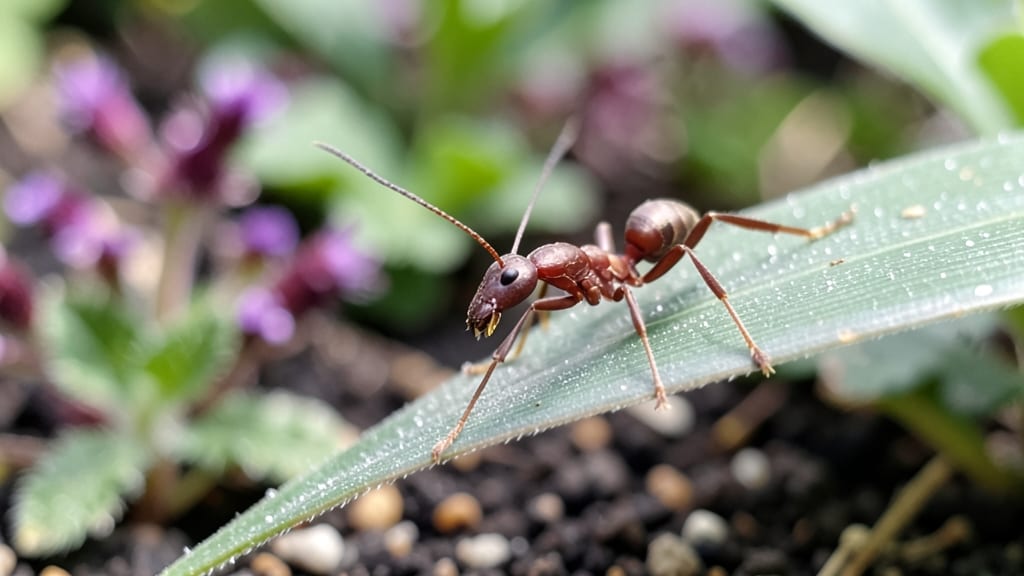
Getting rid of ants in your garden bed starts with understanding why they're there—and trust me, they're not just a nuisance. 🌱 These tiny workers create trails to your plants, and their mounds disrupt soil health, while their farm of aphids and other pests turns your veggies into an all-you-can-eat buffet.
The good news? You don't need harsh chemicals to kick them out for good.
My fastest solution combines diatomaceous earth (food-grade only) around plant bases and vinegar spray on trails—it works within 24-48 hours by dehydrating ants and breaking their scent trails. For stubborn colonies, a borax and sugar bait (mixed 1:1) lures them away from your plants while killing the queen.
The key is persistence; ants return if you don't disrupt their entire system.
What you'll end up with is a garden where ants avoid your beds entirely—not just a temporary retreat. Plants thrive without aphid infestations, soil stays loose and healthy, and you skip the chemical residue that harms beneficial insects.
The secret is combining barriers (like crushed eggshells) with targeted baits to break their cycle.
This works for all garden types—vegetable beds, flower borders, even container gardens—because ants don't discriminate. The only mistake you can make is giving up after one treatment. Let's get those trails gone for good.
Root Causes Of Ant Infestations
Ants don’t just wander into your garden bed by accident—they’re drawn in by a mix of food, shelter, and environmental cues. Understanding these triggers is the first step to stopping their invasion. Let’s break down the key reasons ants turn your garden into their highway, and what they’re really after.
Ants are omnivorous opportunists, and your garden bed is like an all-you-can-eat buffet if you’re not careful. Here’s what’s luring them in:
- Decaying Plant Matter 🌱💀
- Ants love rotting leaves, fallen fruit, and compost piles because they’re packed with sugars and proteins. Even a single overripe tomato or a wilting flower can trigger a scouting party.
- Science note: Decomposing organic material releases volatile organic compounds (VOCs) that ants detect from up to 30 feet away using their antennae.
- Sap & Honeydew from Pests 🐜🍯
- Ants farm aphids, mealybugs, and scale insects like cattle—these pests produce honeydew, a sugary liquid ants cannot resist. If you spot ants trailing along stems, they’re likely herding these sap-suckers.
- Pro tip: Yellow or black ants on plants? You’ve got a hidden aphid colony. Treat the plants with neem oil or insecticidal soap to break the cycle.
- Human Food Scraps 🍞🍪
- Even tiny crumbs of bread, fruit peels, or pet food left near garden edges act as a beacon. Ants will recruit thousands of workers to a single morsel within hours.
- Stat alert: A single trail can carry 10,000+ ants per hour once established.
Ants need water, shade, and nesting material to thrive. Your garden bed might be offering all three without you realizing it:
- Compacted or Loose Soil 🏗️🐜
- Ants prefer soil that’s moist but well-drained. Overwatering or clay-heavy soil creates the perfect underground hotel. They’ll tunnel near roots, disturbing plants and creating weak spots.
- Red flag: Tiny volcano-like mounds of soil? That’s their ventilation system—proof they’ve moved in.
- Mulch & Debris Piles 🍂🪵
- Thick mulch, leaf litter, or wood chips provide insulation and nesting material. Carpenter ants, in particular, chew through cellulose (like bark or dead wood) to build colonies.
- Science fact: Fire ants and pavement ants avoid direct sunlight, so they nest in shaded, moist areas under mulch or rocks.
- Water Sources 💧🌧️
- Ants need constant hydration, and they’ll follow moisture trails. Drip irrigation lines, leaky hoses, or even dew-collecting plants (like hostas) become watering holes.
- Did you know? Some ant species farm fungi in their nests, requiring 90% humidity—your damp garden bed is their spa.
Not all ants are solo invaders—many have symbiotic relationships with other garden pests that make them harder to eliminate:
- Aphid & Ant Partnerships 🤝🐜
- Argentine ants and little black ants are notorious for protecting aphids in exchange for honeydew. When you spray for aphids, the ants shield them with their bodies, making chemical control nearly impossible.
- Break the cycle: Use soapy water sprays or introduce ladybugs, which eat aphids but aren’t farmed by ants.
- Root Disturbances from Other Pests 🌱🐛
- Grubs, wireworms, and even moles loosen soil, creating perfect ant highways. Ants follow these tunnels to harvest larvae or steal food.
- Solution: Apply beneficial nematodes to target soil-dwelling pests—ants will avoid treated areas.
- Chemical Signals from Other Colonies 📡🐜
- Ants leave pheromone trails to mark food sources and nests. If neighboring colonies detect a rich food supply in your garden, they’ll send scouts to recruit reinforcements.
- Fast fact: A single scout ant can return to the nest in 30 seconds with a chemical message that brings hundreds more within minutes.
Now that you know why ants are crashing your garden party, the next step is how to evict them—without harming your plants or the ecosystem. Stay tuned for natural barriers and repellents that work faster than bait stations alone.
Natural Ways to Kick Ants Out
Now that you know why ants are invading your garden bed, it’s time to take action! The good news? You don’t need harsh chemicals to outsmart these tiny intruders.
Below are targeted, natural solutions tailored to the most common causes of ant infestations—plus pro tips to keep them from coming back.
Ants follow two things: water and snacks. If your garden bed is acting like an all-you-can-eat buffet, they’ll keep returning.
💦 Reduce Standing Water
Ants need moisture to survive, especially in dry climates. If your garden has:
- Overwatered soil (soggy spots)
- Leaky hoses or sprinklers
- Poor drainage (water pooling after rain)
How to fix it: ✅ Adjust your watering schedule – Water deeply but less frequently (early morning is best). Let the top 1–2 inches of soil dry between sessions. ✅ Improve drainage – Amend clay-heavy soil with compost or sand to help water drain faster. ✅ Fix leaks – Check hoses, sprinkler heads, and irrigation lines for slow drips that create ant-friendly puddles.
💡 Pro Tip: Mulch properly – Use gravel or coarse mulch (like pine bark) around plants instead of fine wood chips, which trap moisture.
🍎 Eliminate Food Sources
Ants are scavengers—they’ll eat rotting fruit, fallen petals, and even your plants’ sap.
How to fix it: ✅ Pick up debris daily – Remove fallen fruit, veggie scraps, and dead leaves from the garden bed. ✅ Clean up spills – If you’re fertilizing or pruning, sweep up sap and nectar that drips onto soil. ✅ Store compost far away – If you compost, keep the bin at least 20 feet from your garden and use a tight-fitting lid. ✅ Avoid sticky residues – Some plant sprays (like honeydew from aphids) attract ants. Spray plants with soapy water to deter pests first.
If ants are marching in straight lines, they’re following pheromone trails. Break these paths, and they’ll get lost!
🧹 Break Trails with Natural Barriers
Ants hate rough textures and strong scents. Create a no-ant zone around your garden bed.
DIY Trail Disruptors: 🔹 Diatomaceous earth (DE) – Sprinkle a thin layer along ant highways. It dehydrates them without harming plants. (Reapply after rain.) 🔹 Cinnamon or cayenne pepper – Sprinkle ground spices near entry points. The scent confuses their trail markers. 🔹 Crushed eggshells or coffee grounds – Scatter these around plants. The sharp edges deter ants, and coffee grounds add nitrogen to soil. 🔹 Vinegar spray – Mix 1 part white vinegar + 1 part water in a spray bottle. Wipe down trails (not plants) to disrupt scent trails.
💡 Pro Tip: Update barriers weekly – Ants are persistent! Refresh natural repellents every 5–7 days or after rain.
🏗️ Remove Nests (Gently!)
If you spot mounds of soil or tiny holes, ants may be nesting nearby.
How to evict them: ✅ Locate the nest – Follow the ant trail back to the source (often near rocks, foundations, or under mulch). ✅ Pour boiling water – For small mounds, slowly pour 1 cup of boiling water directly into the hole. (Avoid plants nearby!) ✅ Use soapy water – Mix 1 tbsp dish soap + 1 gallon water and pour into the nest. This breaks down their exoskeletons. ✅ Smother with sand – For surface nests, cover the area with coarse sand to block oxygen.
⚠️ Warning: Don’t use pesticides near edible plants—ants are just the symptom. Target the real issue (moisture, food, or shelter).
Once you’ve kicked ants out, keep them from moving back in with these long-term strategies.
🌱 Plant Ant-Repelling Companions
Some plants naturally confuse or deter ants. Interplant these near your garden bed:
- Mint (strong scent masks trails)
- Lavender (ants avoid its oil)
- Marigolds (contain pyrethrin, a natural insect repellent)
- Basil (disrupts ant pheromones)
🛡️ Create a Physical Barrier
Ants can’t climb smooth, slippery, or textured surfaces. Use these garden-friendly barriers: - Copper tape – Wrap a 1-inch strip around pot edges or garden borders.
The slight electric charge repels ants. - Slippery surfaces – Place smooth stones or slate tiles in a ring around your garden bed. - Chicken wire – Bury a shallow trench filled with chicken wire around the perimeter (ants hate crawling over it).
🕒 Schedule Regular Maintenance
Prevention is easier than cleanup! Set a monthly garden check: ✔ Inspect for new trails every 2 weeks. ✔ Reapply natural repellents after rain. ✔ Prune plants to remove sticky sap. ✔ Rotate crops to avoid attracting pests long-term.
Final Reminder: Ants are not just pests—they’re garden helpers (they aerate soil and control other bugs). The goal isn’t to eliminate them but to redirect them away from your prized plants. With these methods, you’ll have a thriving garden—and ants will be too busy elsewhere! 🌱🚫🐜
Frequently asked questions
Why do ants suddenly appear in my garden bed after it rained?
Rain triggers ant activity by activating their scent trails and making soil more hospitable for nesting. Ants follow moisture to hydrate and often emerge from underground nests when the ground softens. The extra humidity also attracts aphids (their food source), so you’ll see more trails after wet weather. Focus on improving drainage and removing standing water to discourage them long-term.
Will vinegar really keep ants away, or is it just temporary?
Vinegar disrupts ant pheromone trails for about 24-48 hours, but it’s not a permanent solution. The acidity breaks down their scent markers, causing them to lose their way. For lasting results, combine it with barriers like diatomaceous earth or cinnamon. Reapply after rain or every 5 days to maintain effectiveness.
Are coffee grounds safe to use around vegetable plants?
Yes, coffee grounds are safe and even beneficial for vegetable gardens! They add nitrogen to soil and deter ants due to their strong scent. Just use used grounds (fresh ones can mold) and sprinkle them around plant bases. The caffeine acts as a natural repellent while improving soil health—it’s a win-win for your veggies.
Why do ants keep coming back even after I treated the nest?
Ants are persistent because they’re recruited by scent trails and food sources. If you only treat the nest without addressing the root cause (like aphids or food debris), scouts will keep finding your garden. Always combine nest removal with trail disruption (vinegar or DE) and eliminate attractants to break their cycle completely.
Can I use borax around edible plants?
Borax is toxic to ants but should be used cautiously near edible plants. While it won’t harm your veggies directly, it can alter soil chemistry over time. For safe edible gardens, opt for borax-free alternatives like soapy water baits or diatomaceous earth. Always follow package instructions and keep pets/kids away from treated areas.