
Pests
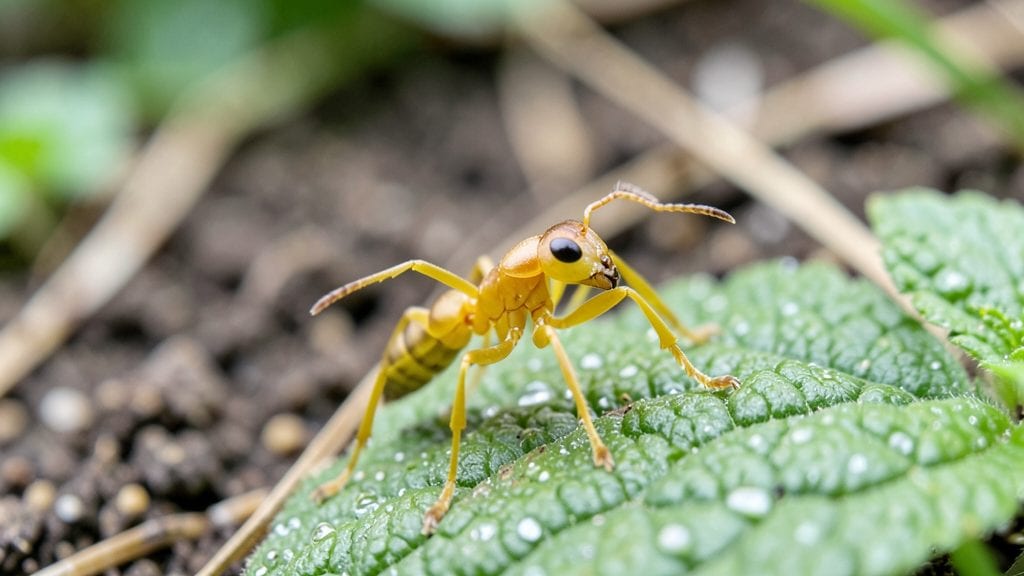
Yellow ants marching through your garden aren’t just annoying—they’re stealing nutrients from your plants and creating trails that invite bigger pests. I’ve battled these tiny citrus-loving invaders for years, and this spray barrier method finally broke their hold on my yard without harsh chemicals.
The secret? A mix that confuses their scent trails while keeping your soil healthy.
These ants target weak plants first, especially citrus, but they’ll attack tomatoes, peppers, and even lawns if left unchecked. My 5-minute spray uses ingredients you likely already have—citrus peels, water, and a dash of dish soap—to create a natural barrier.
The ants avoid the scent, and your plants get a nutrient boost from the citrus byproducts. It’s not just repelling; it’s giving your garden a fresh start.
Within 24 hours, you’ll see fewer ants, and after a week of consistent spraying, they’ll abandon the area entirely. The best part? This isn’t a one-time fix—it’s a preventative system that keeps working as long as you reapply every few weeks.
Your soil stays happy, your plants thrive, and you avoid the mess of chemical treatments.
Works for both vegetable gardens and ornamental beds, and it’s safe for kids and pets once fully dried. If the infestation is severe—think entire colonies in your foundation—it’s time to call a pro. But for most backyard battles, this spray is your new go-to weapon.
Root Causes of Garden Ant Swarms
Yellow ants—often Lasius flavus or similar species—invade gardens for three key reasons: food, shelter, and moisture. Understanding these triggers helps you disrupt their cycle before they become a nuisance. Let’s break down the science behind their behavior and what’s really drawing them to your yard.
🍽️ 1. Food Sources: Your Garden’s Hidden Buffet
Ants are opportunistic foragers, and gardens offer an all-you-can-eat spread. Yellow ants are particularly drawn to:
- Sugary substances: Overripe fruit, honeydew from aphids, or even spilled soda can trigger scouting trails. A single drop of nectar can signal a feast to thousands.
- Protein-rich prey: They farm aphids (their "cows") for honeydew but also raid gardens for insects, eggs, or decaying organic matter.
- Human food waste: Crumbs, pet food, or compost piles act as magnets. Pro tip: Store trash in sealed bins and clean up spills immediately—ants leave scent trails to return.
Science note: Ants use pheromones to mark food paths. A single ant’s discovery can lead to a 100-strong raid within hours.
🏡 2. Shelter: Why Your Soil Is Their Real Estate
Yellow ants nest in moist, loose soil, mulch, or under rocks—places where they can regulate humidity and temperature. Your garden may unintentionally provide:
- Compacted or disturbed soil: Digging, foot traffic, or heavy mulch layers create air pockets they exploit for nesting.
- Moisture retention: Overwatering or poor drainage turns soil into a sponge, ideal for their colonies. ⚠️ Watch out: Drip irrigation or leaky hoses can create hidden hotspots.
- Debris piles: Leaf litter, wood chips, or even cardboard near plants offer undisturbed nesting sites.
Key insight: A single queen can lay 100–200 eggs/month. If she’s undisturbed, your ant problem will explode within weeks.
💧 3. Water Access: The Silent Invitation
Ants need water to survive, and gardens often provide it in unexpected ways:
- Irrigation systems: Leaky sprinklers or drip lines create puddles that ants gather around, then recruit others to.
- Plant moisture: Overhead watering on leaves leaves droplets that ants drink from (and use to dilute food for larvae).
- Natural sources: Dew, morning condensation, or even damp mulch can sustain colonies during dry spells.
Did you know? Some species carry water back to the nest in their stomachs to share with nestmates. A single trail can transport gallons over time!
🔍 Bonus: How Climate Plays a Role
Yellow ants thrive in warm, stable environments. Factors like:
- Mild winters (they survive underground).
- Dry summers (they seek moisture in your soil).
- Sudden heatwaves (forces them to raid for water faster).
can accelerate their activity. 💡 Pro move: Monitor ant trails after rain—they become hyperactive when soil moisture spikes.
Natural Ways to Stop Ants Invading
Yellow ants in your garden aren’t just a nuisance—they can damage plants, contaminate soil, and even invade your home. The good news? You don’t need harsh chemicals to keep them away.
Below are targeted, eco-friendly solutions based on the root causes of your ant problem, from repelling them at the source to preventing future invasions.
Yellow ants follow scent trails, so disrupting their path is key. A citrus-based spray barrier is a game-changer—it repels them naturally while being safe for plants and pets.
How to do it:
- 🍊 Mix the spray:
- 1 cup water
- 1 cup orange or lemon peels (fresh or dried)
- 1 tsp dish soap (optional, helps stick to surfaces)
- Simmer peels in water for 20 minutes, strain, and let cool.
- 👨🍳 Apply strategically:
- Spray along garden edges, ant trails, and entry points (like cracks in fences or mulch lines).
- Reapply every 3–5 days or after rain.
💡 Pro Tip: Add a few drops of vanilla extract to the mix—ants hate the smell!
Ants invade gardens for sugar (aphids, honeydew) and protein (insects, decaying matter). Cut off their supply, and they’ll move on.
Quick fixes:
- 🌿 Remove aphids (a favorite ant snack) with:
- Neem oil spray (1 tbsp neem oil + 1 tsp dish soap + 1 quart water).
- Ladybugs (natural aphid predators—buy them online or attract with dill or fennel).
- 🗑️ Clean up debris: Rake away fallen fruit, rotting wood, and leaf litter where ants nest.
- 🍞 Avoid over-fertilizing: Too much nitrogen attracts aphids, which in turn attract ants.
✨ Prevention: Plant ant-repelling herbs like mint, basil, or tansy near problem areas.
If you spot mud tunnels or small mounds, you’ve found their nest. The goal is to remove the colony without poisoning the earth.
Step-by-step nest removal:
- 🕵️ Locate the nest: Follow ant trails to their entry point (often near moisture).
- 💧 Flood the nest (humane method):
- Pour boiling water directly into the mound (works for small nests).
- For larger nests, use a garden hose to soak the area for 10+ minutes.
- 🌱 Solarize the soil (for stubborn nests):
- Cover the area with clear plastic for 3–5 days in sunny weather (kills larvae).
⚠️ Warning: Avoid borax or chemical baits—they harm beneficial insects and pets.
Once you’ve kicked them out, keep them out with these habits:
| Problem | Solution | Frequency |
|---|---|---|
| New ant trails | Reapply citrus spray every 2 weeks | Seasonal check |
| Moisture-attracting plants | Improve drainage, avoid overwatering | Ongoing maintenance |
| Fallen fruit/seeds | Pick up debris weekly | 1x per week |
| Weakened plants (aphids) | Inspect plants biweekly for pests | Every 2 weeks |
🎯 Golden Rule: Diatomaceous earth (food-grade) is a last-resort powder that dehydrates ants—sprinkle lightly along trails (reapply after rain).
Final Thought: Yellow ants are persistent, but with consistent barriers, food denial, and nest disruption, you can reclaim your garden—without chemicals. Start with the citrus spray, then layer in prevention. Your plants (and sanity) will thank you!
Frequently asked questions
Why do yellow ants target my citrus trees first?
Yellow ants love citrus because they’re drawn to the sweet sap and oils in the fruit. The scent trails they leave on branches act like a dinner bell, attracting more ants. Plus, citrus trees often have aphids (another ant food source), making them prime targets. Remove overripe fruit and treat for aphids to break their attraction.
How long does the citrus spray barrier last between applications?
The spray’s effectiveness fades after 3-5 days or when it rains, as the scent dissipates. For best results, reapply every few days until trails disappear, then switch to a biweekly maintenance schedule. Store extra spray in a cool, dark place to preserve its potency.
Can I use this spray on vegetable gardens or only ornamentals?
The citrus spray is safe for vegetable gardens too—just avoid spraying directly on edible leaves before harvest. It won’t harm plants or soil, and the natural ingredients even deter other pests like aphids. Focus on trails, plant bases, and garden edges for maximum impact.
What if the ants keep coming back after I treat the nest?
Persistent ants likely mean you missed a queen or satellite colonies. Check for hidden mounds near moisture sources (like irrigation lines) and repeat nest removal. Also, ensure you’re cutting off their food supply—clean up fallen fruit, remove aphids, and store compost properly. If trails persist, expand your barrier spray to a 10-foot perimeter around the garden.
Is diatomaceous earth safe for pets if I have dogs or cats?
Only use food-grade diatomaceous earth (DE) and apply it lightly along trails, avoiding areas where pets dig or play. While it’s non-toxic, inhaling large amounts can irritate lungs. For extra safety, opt for the citrus spray as your primary defense—it’s pet-friendly and just as effective when reapplied consistently.