
Pests
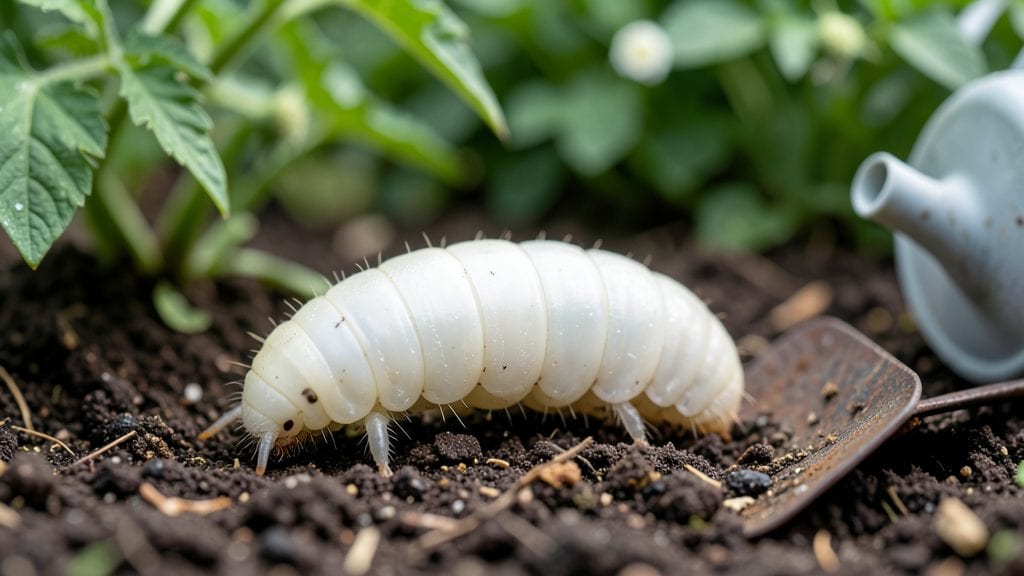
Mastering grub control in vegetable garden starts with outsmarting those sneaky white, C-shaped larvae—because I’ve lost entire rows of potatoes and carrots to Japanese beetle grubs, until neem oil became my secret weapon. 🌱 The key isn’t just spraying; it’s timing, concentration, and pairing it with other organic tricks that actually work.
Most gardeners grab the wrong tools first—like overwatering or tilling, which just spreads the problem. Instead, focus on soil health: healthy soil means fewer grubs because beneficial microbes outcompete them.
Add a 1% neem oil solution to your watering can every 2 weeks during grub season (late spring to early fall), and pair it with milky spore for long-term defense. It’s not instant, but it’s foolproof over time.
By mid-summer, you’ll see fewer chewed leaves and stronger roots—no more wilting plants pulled from the ground like toothpicks. The neem oil doesn’t kill grubs outright, but it disrupts their life cycle while keeping your soil safe for planting.
Plus, your veggies grow bold and disease-resistant, not stressed from hidden pests.
This method works in small raised beds, large in-ground plots, or even container gardens—just adjust the volume. The secret? Consistency. Grubs don’t stand a chance when you combine neem oil with companion plants like marigolds and crop rotation. Let’s get your garden back to thriving.
Root Causes Of Grub Invasion
Grubs—those C-shaped, creamy-white larvae—are often the unseen villains wreaking havoc in vegetable gardens. But why do they suddenly turn your thriving plants into a buffet? Understanding the root causes helps you fight back smarter. Here’s a breakdown of the key triggers:
Grubs hatch from eggs laid by beetles, primarily Japanese beetles (Popillia japonica) and June beetles (Phyllophaga spp.). These pests are drawn to nutrient-rich, moist soil—especially if it’s packed with organic matter like compost, manure, or decaying plant debris.
- Why it happens: Beetles use soil microbes and decaying plant material as cues to lay eggs. A garden teeming with life (in the microbial sense) signals a perfect nursery.
- Actionable insight: Avoid over-fertilizing, especially with nitrogen-heavy amendments. Instead, opt for balanced, slow-release fertilizers to reduce the appeal.
Grubs thrive in damp soil because it mimics their natural habitat—rotting wood or leaf litter. Overwatering or poorly draining soil keeps the environment just right for egg development and larval survival.
- Why it happens: Eggs need consistent moisture to hatch, and larvae require hydration to feed on roots. Clay-heavy or compacted soil traps excess water, creating a grub paradise. - Actionable insight: Improve drainage with organic mulch (like straw) or sand amendments.
Water deeply but infrequently to discourage beetles from lingering.
Newly planted seedlings or young vegetables with delicate root systems are prime targets. Grubs prefer easy meals—soft, undefended roots make for a quick snack.
- Why it happens: Mature plants often develop thicker, tougher roots, but young plants offer little resistance. Grubs also target stressed plants (e.g., those recovering from transplant shock).
- Actionable insight: Harden off seedlings before planting and choose resilient varieties (e.g., carrots, radishes) that can tolerate minor root damage.
Natural predators like birds, toads, and parasitic wasps keep grub numbers in check. But if these helpers are absent—due to pesticide use, habitat loss, or urbanization—grub populations surge unchecked.
- Why it happens: Chemical pesticides often kill beneficial insects along with pests, leaving grubs to multiply. Monoculture gardens (planting the same crop repeatedly) also reduce biodiversity, weakening natural defenses. - Actionable insight: Encourage predator-friendly plants (e.g., dill, marigolds) and avoid broad-spectrum pesticides.
Let some "messy" garden areas thrive for wildlife.
Grubs are most active in late summer to early fall when soil temperatures hover between 70–85°F (21–29°C). Cooler spring or winter slows their development, but heat accelerates their feeding frenzy.
- Why it happens: Warm soil speeds up metabolism, making grubs hungrier and more aggressive. They also pupate into adult beetles faster in ideal conditions. - Actionable insight: Monitor soil temps and apply preventive barriers (like neem oil) before peak activity.
Mulch with reflective materials (e.g., aluminum foil) to deter egg-laying beetles.
Heavy foot traffic, machinery, or clay soil compress the top layer, stunting root development. While this might seem like a win for plants, it also hides grubs deeper in the soil, where they feast undetected.
- Why it happens: Compacted zones create anaerobic pockets where grubs thrive, while roots struggle to penetrate. The damage goes unnoticed until plants wilt or collapse. - Actionable insight: Aerate soil annually with a garden fork or organic matter (like coconut coir) to loosen compaction.
This exposes grubs to predators and makes them easier to spot.
Key Takeaway: Grubs don’t invade randomly—they’re responding to environmental cues. By addressing soil fertility, moisture, plant health, and predator balance, you can disrupt their life cycle before they become a full-blown infestation. 🚫🐛
Practical Fixes for Grub Infestations
Grubs—those C-shaped, white larvae of beetles—can turn your thriving vegetable garden into a chewed-up disaster. But don’t panic! With the right approach, you can eliminate existing grubs and prevent future invasions without harsh chemicals.
Below, we break down cause-specific solutions, from organic fixes to proactive barriers, so your veggies stay safe and your soil stays healthy.
Japanese beetles lay eggs in late summer, hatching into grubs that feast on roots. Act fast—these pests multiply quickly!
🍳 Immediate Rescue: Handpick & Drown
- Go hunting at dusk (grubs are most active when soil is moist).
- Dig 2–3 inches deep near affected plants—look for white, ½-inch larvae.
- Drop them in soapy water (a bucket with a few drops of dish soap suffocates them instantly).
👨🍳 Organic Sprays for Fast Knockdown
- Neem oil spray: Mix 1 tbsp neem oil + 1 tsp mild soap + 1 quart water.
Spray roots and soil surface weekly. Why it works: Disrupts feeding and repels adult beetles. - Bacillus thuringiensis (Bt): A microbial pesticide safe for veggies. Water it into the soil—it kills grubs without harming beneficial insects.
🥘 Long-Term Prevention: Trap Crops & Barriers
- Plant trap crops like marigolds or nasturtiums—beetles prefer these over your veggies.
- Install row covers (floating fabric) over young plants to block adult beetles from laying eggs.
- Mulch with diatomaceous earth (DE): Sprinkle food-grade DE around plants—it dehydrates grubs on contact. Reapply after rain.
June beetle grubs (aka "white grubs") tunnel 3–6 inches deep, making them harder to spot. Prevention is key—these pests thrive in compacted, moist soil.
⏰ Early Season Soil Treatment
- Milky spore powder: A natural bacteria that targets June beetle grubs. Work it into the top 6 inches of soil in early spring. Best for long-term control—takes 2–3 years to establish but lasts decades!
- Beneficial nematodes (Heterorhabditis bacteriophora): Tiny microscopic worms that seek out and kill grubs.
Apply at dusk with a hose-end sprayer, watering 1–2 gallons per 100 sq ft.
🌱 Soil Health Fixes
- Aerate compacted soil with a garden fork to reduce grubs’ favorite hiding spots.
- Encourage predatory insects: Lady beetles, ground beetles, and parasitic wasps eat grubs naturally.
Plant dill, fennel, or yarrow to attract them. - Rotate crops annually—grubs return to the same spots if their favorite hosts (like corn or potatoes) are replanted.
✨ 🌡️ Timing is everything: Apply neem oil or nematodes in early summer (before eggs hatch) or fall (when grubs are young and vulnerable). ✨ 🎯 Early warning signs: Check for wilted plants, surface tunnels, or birds pecking at the soil—these mean grubs are already munching! ✨ 🔥 Hot water trick: For small infestations, pour boiling water directly into tunnels to kill grubs on contact (use cautiously near roots). ✨ 🥗 Compost tea: Brew compost tea (steep compost in water for 24 hours, strain) and water your garden—it strengthens plants’ resistance to pests.
- ❌ Avoid overwatering: Grubs love soggy soil—keep irrigation consistent but not saturated. - ❌ Don’t skip mulch: Organic mulch (straw, leaves) dries out soil, making it less inviting for grubs. - ❌ Resist chemical pesticides: They kill beneficial insects and can harm your veggies.
Stick to targeted, organic methods.
By combining immediate action (handpicking, neem oil) with long-term strategies (milky spore, nematodes, soil health), you’ll outsmart grubs and protect your vegetable garden—without sacrificing your plants or the planet. 🌱💪
Frequently asked questions about garden pest control
How do I know if my wilting plants are caused by grubs?
Look for surface tunnels or birds pecking at the soil—these are classic signs. Dig up plants gently: if roots are chewed or covered in white, C-shaped larvae, grubs are the culprit. Young plants are most vulnerable, often pulling easily from the ground like toothpicks.
Can neem oil really stop grubs from damaging my vegetables?
Yes, but it works best as a preventive barrier. Mix 1 tablespoon neem oil + 1 teaspoon mild soap + 1 quart water and apply every 2 weeks during grub season (late spring to early fall). It disrupts feeding and repels adult beetles, though it won’t kill existing grubs instantly.
Are beneficial nematodes safe for my vegetable garden?
Heterorhabditis bacteriophora nematodes target only grubs and other soil pests. Apply them at dusk with a hose-end sprayer, watering 1–2 gallons per 100 sq ft. They’re harmless to plants, pets, and beneficial insects—just avoid direct sunlight after application.
What’s the fastest way to get rid of grubs already in my soil?
For immediate results, handpick grubs at dusk (they’re most active when soil is moist) and drop them in soapy water. For larger infestations, use Bacillus thuringiensis (Bt), a microbial pesticide that kills grubs within 48 hours when watered into the soil.
Will mulching help prevent grubs in my garden?
Yes! Organic mulch like straw or leaves dries out soil slightly, making it less inviting for grubs. For extra protection, sprinkle food-grade diatomaceous earth (DE) around plants—it dehydrates grubs on contact. Just reapply after rain, as moisture reduces its effectiveness.