
Pests
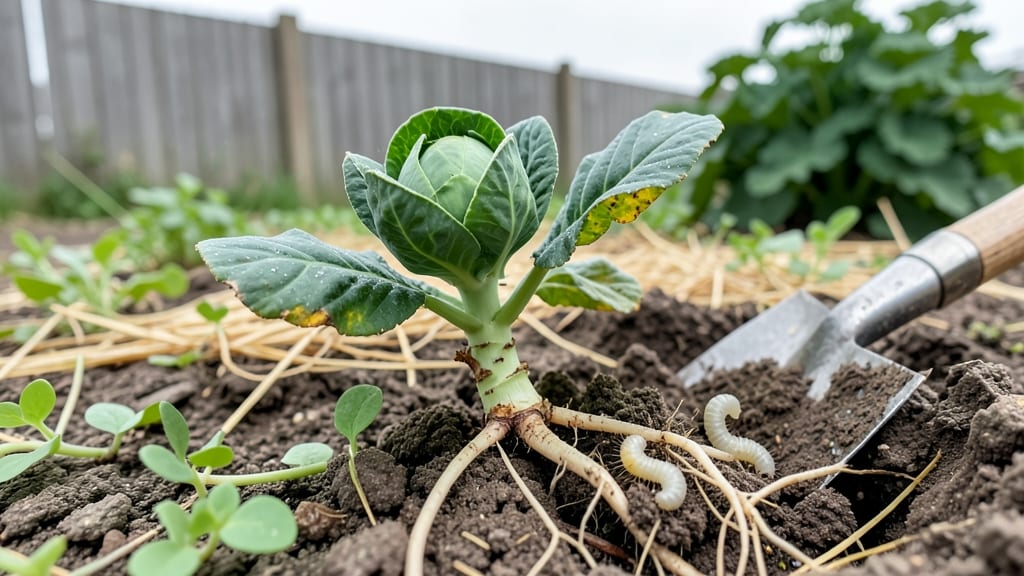
Soil-dwelling pests like grubs and nematodes can turn your garden into a battleground. 🌱 I’ve seen firsthand how they chew roots, stunt growth, and leave plants gasping for life—until I learned these simple, natural barriers that keep soil healthy and productive.
The key isn’t just killing pests—it’s creating an environment where they can’t thrive. Think mulch layers, companion plants like marigolds, and even a sprinkle of diatomaceous earth that disrupts their life cycle without harsh chemicals.
Most gardeners overlook how easy it is to starve out grubs by improving soil structure with compost.
You’ll end up with roots that grow strong, plants that flourish, and a soil ecosystem that actually helps you. The best part? These methods work whether you’re dealing with wireworms in your veggie patch or slugs creeping through your flower beds. Let’s rebuild your soil’s defenses.
No more guessing which pests are lurking below—just clear, actionable steps to outsmart them. For example, a 5-inch layer of straw mulch can block cutworms, while neem oil sprays deter nematodes without harming earthworms. Small changes, big results.
Root Causes of Soil Pests
Understanding why garden pests invade your soil is the first step to creating natural defenses. These tiny troublemakers don’t just appear out of nowhere—they’re drawn by specific conditions in your garden. Let’s break down the science behind their behavior so you can address the real issues.
Soil pests thrive when your garden’s foundation is weak. Healthy soil is a balanced ecosystem where beneficial microbes, fungi, and insects outcompete pests. But when soil becomes depleted or imbalanced, pests move in like opportunistic squatters.
- Lack of Organic Matter: Soil rich in decomposed plant material (compost, leaf litter) supports diverse microbial life.
When organic matter is scarce, pests like nematodes and cutworms find fewer predators to keep them in check. - Excessive Synthetic Fertilizers: Overuse of chemical fertilizers disrupts the natural microbial balance, weakening soil structure and making plants more vulnerable to root-feeding pests. - Compacted Soil: Heavy foot traffic or machinery compacts soil, reducing oxygen and water flow.
This creates stress for plants and invites pests like grubs and wireworms that thrive in dense, anaerobic conditions.
Actionable Fix: Amend your soil with compost, mulch, and cover crops to restore microbial diversity and improve structure.
Moisture levels play a huge role in pest activity. Some pests, like slugs and fungus gnats, are attracted to damp soil because it provides the perfect breeding ground.
- Fungus Gnats: These tiny flies lay eggs in overly moist soil, where their larvae feed on plant roots. Their populations explode in containers or garden beds with poor drainage. - Slugs & Snails: These pests seek out damp, shaded areas to hide and feed.
Waterlogged soil makes it easier for them to move and multiply. - Root Rot & Secondary Pests: Overwatering weakens plants, making them susceptible to root-eating pests like beetles and weevils that target stressed roots.
Actionable Fix: Improve drainage with raised beds, sand amendments, or drip irrigation to keep soil evenly moist—not soggy.
A healthy garden is a balanced ecosystem where predators keep pests in check. When this balance is disrupted, pests take over.
- Decline in Beneficial Insects: Ladybugs, ground beetles, and predatory nematodes feed on soil pests.
Pesticide use (even organic sprays) can kill these allies, leaving pests unchecked. - Monoculture Planting: Growing the same crops year after year reduces biodiversity, eliminating the varied food sources that attract predator species. - Habitat Destruction: Removing leaf litter, rocks, or wood piles removes hiding spots for beneficial insects like spiders and centipedes.
Actionable Fix: Plant companion crops, leave some garden debris for wildlife, and avoid broad-spectrum pesticides to encourage natural pest control.
Stressed plants are like open invitations for pests. When plants are struggling, they emit chemical signals that attract pests looking for an easy meal.
- Nutrient Deficiencies: Plants low in nitrogen or phosphorus are weaker and more attractive to root feeders like cutworms and wireworms. - Disease Pressure: Fungal or bacterial infections weaken roots, making them easier targets for pests like grubs and maggots. - Transplant Shock: Newly planted seedlings are vulnerable until their roots establish.
Pests like flea beetles and aphids often attack young, stressed plants.
Actionable Fix: Use slow-release fertilizers, mulch to retain moisture, and harden off transplants gradually to reduce stress.
💡 Pro Tip: Rotate crops annually to disrupt pest life cycles and prevent soil-borne diseases from building up in one spot. Healthy soil = fewer pests!
Natural Ways to Outsmart Soil Pests
Soil pests can turn your garden into a battleground, but the good news? You don’t need harsh chemicals to win. With the right strategies, you can repel, deter, and even eliminate unwanted critters while keeping your soil thriving.
Below, we’ve matched common soil pest problems with practical, eco-friendly fixes—plus prevention tips to stop them before they start.
Cause: These chewers munch on roots, stems, and seedlings, often leaving plants wilted or dead. They thrive in moist, organic-rich soil.
How to Fix It: 🔥 Encourage Natural Predators Introduce beneficial nematodes (Steinernema carpocapsae or Heterorhabditis bacteriophora)—microscopic worms that hunt grubs. Apply them to soil in the early evening (they’re sensitive to sunlight) and water lightly. Repeat every 4–6 weeks during grub season.
🍳 DIY Neem Oil Spray Mix 1 tbsp neem oil + 1 tsp mild soap + 1 quart water in a spray bottle. Apply to soil around plants weekly during outbreaks. Neem disrupts their life cycle without harming plants.
👨🍳 Cultural Controls
- Rotate crops to break their life cycle (avoid planting corn, potatoes, or tomatoes in the same spot yearly).
- Tilling in fall exposes grubs to predators like birds and toads. But skip this if you have earthworms—they’re your soil’s superheroes!
⏰ Prevention Tip: Plant marigolds, garlic, or chives near vulnerable plants—their strong scents repel larvae. Avoid overwatering in late summer, as soggy soil attracts grubs.
Cause: Ants tunnel through soil, disrupting roots, and some (like carpenter ants) can damage wood structures. They’re often drawn by sugar, grease, or protein sources (like aphid honeydew).
How to Fix It: 🔪 Block Their Entry Points
- Sprinkle diatomaceous earth (DE) around mounds or garden edges. Reapply after rain—it’s non-toxic but deadly to ants by dehydrating them.
- Place barriers of cinnamon or cayenne pepper around ant trails (ants hate the spice).
🍳 Bait Them Out Mix borax + sugar + water (1:1:2 ratio) into a paste and place near trails. Ants carry it back to the colony, eliminating the queen. Use sparingly—borax is low-toxicity but keep pets/kids away.
👨🍳 Remove Their Food Sources
- Clean up fallen fruit, spills, or pet food immediately.
- Spray aphids (ants’ favorite snack) with soapy water to break their buffet.
✨ Prevention Tip: Plant mint, lemon balm, or tansy—ants avoid these strong scents. Avoid mulching near structures if carpenter ants are a problem.
Cause: While earthworms are soil’s best friends, too many can create tunnels that destabilize young plants or attract predators like moles and birds.
How to Fix It: 🌡️ Balance Their Habitat
- Reduce organic matter in one area by composting less frequently or using coarser mulch (like wood chips).
- Aerate compacted soil with a fork to discourage excessive tunneling.
🎯 Redirect Them
- Sprinkle coffee grounds (earthworms dislike the acidity) in problem areas to deter them temporarily.
- Plant deep-rooted crops (like dandelions or comfrey) to compete for space—their roots fill tunnels naturally.
💡 Prevention Tip: Test your soil—earthworms thrive in pH 6.0–7.0. If your soil is too acidic, amend with lime to balance the ecosystem.
Cause: While they don’t live in soil, their slime trails create anaerobic pockets, harming beneficial microbes. Plus, they munch on seedlings, leaving holes in leaves.
How to Fix It: 🔥 Create Physical Barriers
- Crushed eggshells or sharp gravel around plants create a no-sliming zone.
- Copper tape around pots (a small electric shock deters them).
🍳 Beer Traps (Yes, Really!) Bury a shallow dish filled with beer near plants. Slugs crawl in and drown. Pro tip: Use wine or vinegar—they work too!
👨🍳 Nighttime Patrols Handpick slugs and drop them in soapy water (humane and effective). Do this after rain when they’re most active.
💡 Prevention Tip: Plant slug-repellent herbs like thyme, rosemary, or wormwood around your garden edges.
Cause: These burrowers aerate soil too well, uprooting plants and creating unsightly mounds. They’re drawn by grubs, seeds, and tender roots.
How to Fix It: 🔪 Humane Traps & Repellents
- Castor oil-based repellents (like Hot Shot Mole & Gopher Repellent) disrupt their tunneling instincts. Spray along burrow lines.
- Traps with peanut butter (volem’s favorite) work better than grains—check daily to avoid harming pets.
🍳 DIY Spicy Spray Mix 1 tbsp cayenne pepper + 1 quart water + a drop of dish soap. Spray along tunnels—rodents avoid the scent.
👨🍳 Break Their Buffet
- Remove fallen fruit, nuts, or seeds from the garden.
- Plant gopher-resistant crops like onions, garlic, or daffodils (their bulbs are toxic to rodents).
✨ Prevention Tip: Keep grass short—tall grass hides moles and attracts voles. Install hardware cloth barriers (1/4-inch mesh) around beds before planting.
Final Pro Tip: 🌱 Healthy soil = fewer pests. Boost microbial life with compost tea or mycorrhizal fungi—a strong ecosystem naturally resists invaders!
By combining prevention, natural deterrents, and cultural fixes, you’ll keep your soil productive, pest-free, and full of life—without the chemicals. 🚀
Frequently asked questions
What are the most common soil-dwelling pests I should watch for?
Look for grubs (white, C-shaped larvae), wireworms (hard-bodied, click beetle larvae), nematodes (microscopic worms), and mole crickets (brown, winged adults). These pests target roots, stems, and seedlings, often leaving wilting plants or irregular holes in soil. Identify them by checking plant damage and inspecting soil after rain when pests are most active.
Can I use coffee grounds to repel soil pests naturally?
Yes! Sprinkle used coffee grounds around plants to deter grubs, ants, and even slugs—the caffeine acts as a mild repellent. For earthworms, use sparingly, as they dislike the acidity. Mix into compost piles to boost microbial activity while keeping pests at bay. Avoid overapplying, as too much can alter soil pH over time.
How do I know if my plants are being harmed by soil pests vs. disease?
Pests leave distinct signs: chewed roots, holes in stems, or wilting despite moist soil. Disease symptoms include yellowing leaves, mold, or soft rot. Dig up plants to check for larvae or tunnels. If roots are slimy or discolored, it’s likely disease; if they’re chewed or hollow, pests are the culprit. Test soil pH too—pests thrive in compacted, nutrient-poor soil.
Are there any plants that naturally repel soil pests?
Marigolds, garlic, chives, and thyme release compounds that deter grubs and nematodes. Plant them near vulnerable crops like tomatoes or peppers. Basil and lemongrass also help repel ants and slugs. For underground protection, interplant with deep-rooted crops like comfrey—they compete with pests for space and improve soil structure.
Will tilling my garden help eliminate soil pests?
Tilling can expose pests to predators like birds, but it’s a double-edged sword. Over-tilling disrupts soil structure and beneficial microbes. Instead, try hand-pulling weeds or using a broadfork to aerate soil gently. For grubs, till in fall to let frost kill them—but skip this if you have earthworms, as they’re essential for soil health.