
Light Requirements
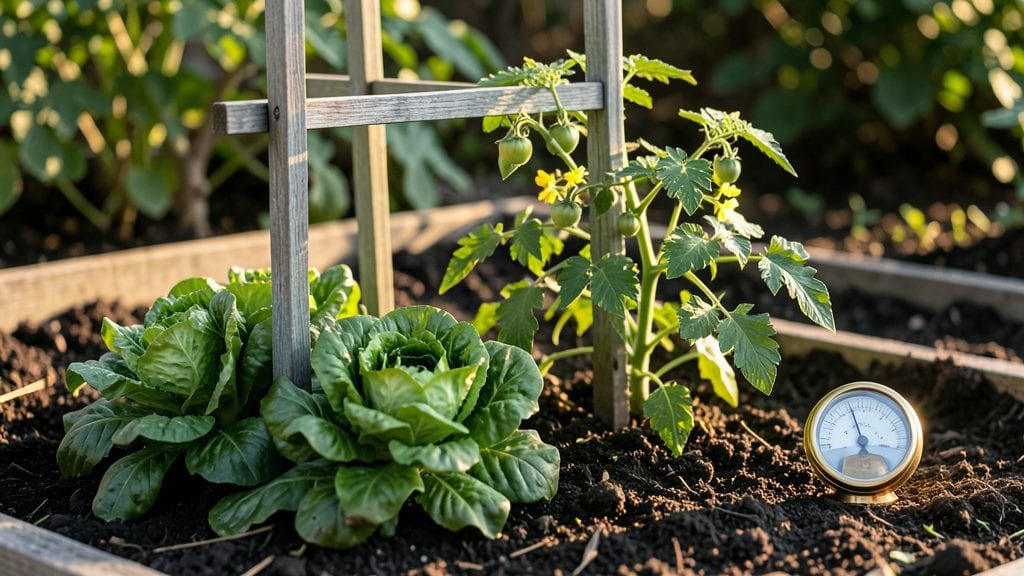
A vegetable garden needs 6 to 8 hours of sunlight daily 🥬—that’s the magic number for most crops to thrive, but the truth is more nuanced than you might think.
Struggling to decide how much sunlight your vegetable garden needs? Too little sun can stunt growth, while too much can scorch your plants—getting the balance right is the key to a thriving harvest.
Even in USDA Zone 6a, where spring planting kicks off in March, the sun’s path shifts, and some crops (like leafy greens) actually prefer partial shade.
Here’s the game-changer: not all vegetables are created equal. Tomatoes and peppers demand full sun, while lettuce and spinach can handle just 3 to 4 hours a day.
I’ll break down the exact sunlight ranges for your favorite crops and show you how to group them for maximum efficiency—no wasted space or burned leaves.
Ready to turn your garden into a sun-powered success? You’ll learn how to adjust for shade, maximize limited sunlight, and even fix common mistakes that kill yields before they start.


Sunlight requirements for vegetable gardens by crop type: a complete breakdown
Understanding how many hours of sunlight your vegetable garden needs is the foundation of a successful harvest. Most vegetables thrive with 6-8 hours of direct sunlight daily, but some tolerate less or even prefer partial shade.
The key is matching each plant’s needs to its placement—whether in a sun-drenched raised bed, a balcony container, or a shady corner of your yard.
Full-sun lovers like tomatoes and peppers wilt without 8+ hours of sun, while leafy greens and herbs can thrive with just 3-6 hours. Mixing these groups strategically saves space and maximizes yield.
For example, plant basil near the edge of a sunbed to avoid shading taller corn or zucchini.
Below, I’ve broken down vegetables by their sunlight needs, so you can plan your garden layout like a pro. Use this as your guide to group plants with similar requirements together—this minimizes competition for light and keeps your garden thriving.
🌱
If your garden gets less than 6 hours of sun, focus on shade-tolerant crops like lettuce or spinach, and use reflective surfaces (like white mulch or mirrors) to bounce light onto plants.
For containers, place them near south-facing windows or supplement with grow lights for 12–14 hours daily.
Grouping plants by sunlight needs isn’t just about aesthetics—it’s about efficiency. For example, place tall corn or sunflowers on the north side of your garden to avoid shading shorter basil or radishes. In small spaces, use vertical gardening (like trellises for cucumbers) to maximize sunlight exposure for all plants.
Regional adjustments matter too. In hot climates (like Arizona or Florida), some plants (e.g., peppers) may need afternoon shade to prevent scorching, while cool climates (like the Pacific Northwest) can stretch growing seasons with row covers to extend sunlight hours.
Pro tip: Monitor your garden’s sunlight with a sunlight tracker app or by observing shadows at different times of day. Adjust plant placement every few weeks as the sun’s angle shifts with the seasons. This small effort can mean the difference between bolted greens and lush harvests.
🌿
Remember, even the most sun-loving plants can suffer from too much direct heat. If your garden gets intense afternoon sun, use light shade cloth (30–50% coverage) to protect delicate plants like cucumbers or eggplants without cutting off all light.
This balance is what turns a good garden into a high-yielding one.
How to adjust your garden layout for sunlight efficiency: maximizing yields with limited space
Even in small spaces, you can create a highly productive vegetable garden by strategically arranging plants based on their sunlight requirements. The key is grouping full-sun lovers together while shielding shade-tolerant crops from harsh afternoon rays.
This approach prevents overcrowding and ensures every plant gets the right amount of light for optimal growth.
Start by observing your garden’s sunlight patterns throughout the day. Note which areas receive morning sun, afternoon shade, or full sun exposure. This helps you place heat-sensitive plants like lettuce in partial shade, while sun-hungry tomatoes and peppers thrive in the brightest spots.
Even a 5-gallon container on a balcony can yield a bountiful harvest with the right layout.
- Full Sun (6–8+ hours/day): Tomatoes, peppers, cucumbers, eggplants, corn, and squash. These sun-seekers need the brightest spots to produce fruit.
- Partial Sun (3–6 hours/day): Leafy greens (kale, spinach), herbs (basil, parsley), and root veggies (carrots, beets). Ideal for morning sun or dappled shade.
- Low Light (<3 hours/day): Microgreens, arugula, and some lettuce varieties. Perfect for indoor windowsills or north-facing containers.
Use vertical gardening to maximize space and sunlight exposure. Trellises for cucumbers and beans free up ground space for other crops while allowing light to reach lower plants. Wall-mounted planters or hanging baskets can also boost productivity in tight areas, ensuring even shade-tolerant herbs get enough indirect light.
This technique is especially useful for balcony gardens where floor space is limited.
Incorporate succession planting to keep your garden productive year-round. Plant fast-growing crops like radishes or lettuce in early spring, then replace them with warm-season veggies like tomatoes or peppers as temperatures rise.
This method ensures your garden always has a mix of sun-loving and shade-tolerant plants, preventing overcrowding and optimizing sunlight use.
For areas with intense afternoon sun, use shade cloths to protect heat-sensitive plants like lettuce or spinach. A 30–50% shade cloth filters harsh rays while still allowing enough light for growth.
This is a game-changer for container gardens on patios or decks where direct sun can scorch delicate leaves. Pair shade cloths with drip irrigation to keep soil moist without stressing plants.
Finally, rotate your crops annually to prevent soil depletion and disease buildup. This also helps you adjust plant placement based on changing sunlight patterns throughout the year.
Keep a gardening journal to track which spots receive the most sun and which plants thrive there—this knowledge will refine your layout for future seasons. With these strategies, even a small urban garden can rival a sprawling backyard in productivity! 🌱