
Light Requirements
To determine how much sunlight a garden needs, most vegetables thrive with 6-8 hours of direct sunlight daily, while flowering plants typically need 4-6 hours. Shade-tolerant varieties only require 2-4 hours, and seedlings benefit from indirect light until they're fully hardened off.
Sunlight exposure isn't just about total hours—it's also about intensity and timing. 🌞 For example, leafy greens like spinach can handle partial shade better than tomatoes, which need consistent, bright light to produce fruit.
I've found that morning sun (when UV rays are less intense) works well for delicate flowers, while afternoon sun helps tougher plants like peppers develop their signature flavors. The key is observing how your plants react after a week or two and adjusting their placement accordingly.
What's interesting is how growth stages change requirements. Seedlings often wilt in direct sun, but once established, many plants crave it. This is why I always start my tomatoes indoors under grow lights before transplanting them to a sunny spot.
The transition period is critical—too much sun too soon can scorch young leaves, while too little delays growth.
💡 In This Article
- Sunlight Requirements by Plant Category
- Adjusting Garden Layout for Optimal Sun Exposure
Sunlight requirements by plant category
Vegetables like tomatoes and peppers need 6-8 hours of direct sunlight daily to produce optimal yields. The reason? These plants rely on sunlight for photosynthesis, which converts light energy into glucose—their primary food source. Without enough light, they'll grow leggy and produce fewer fruits.
For instance, a tomato plant left in partial shade might yield only 30% of its potential compared to one basking in full sun. The key factor here is the plant's ability to balance energy production with water uptake—too little light throws off this equilibrium.
Herbs such as basil and oregano typically thrive with 4-6 hours of sunlight, though they can tolerate slightly less. The difference lies in their growth habits—herbs focus on leaf production rather than fruiting.
For example, basil grows faster and stays more aromatic in morning sun because the cooler temperatures reduce stress. Meanwhile, flowering plants like marigolds and zinnias fall into the 4-6 hour range, but their blooms brighten most when exposed to at least 5 hours of direct light.
The science here involves photoperiodism—the plant's internal clock that triggers flowering based on daylight exposure.
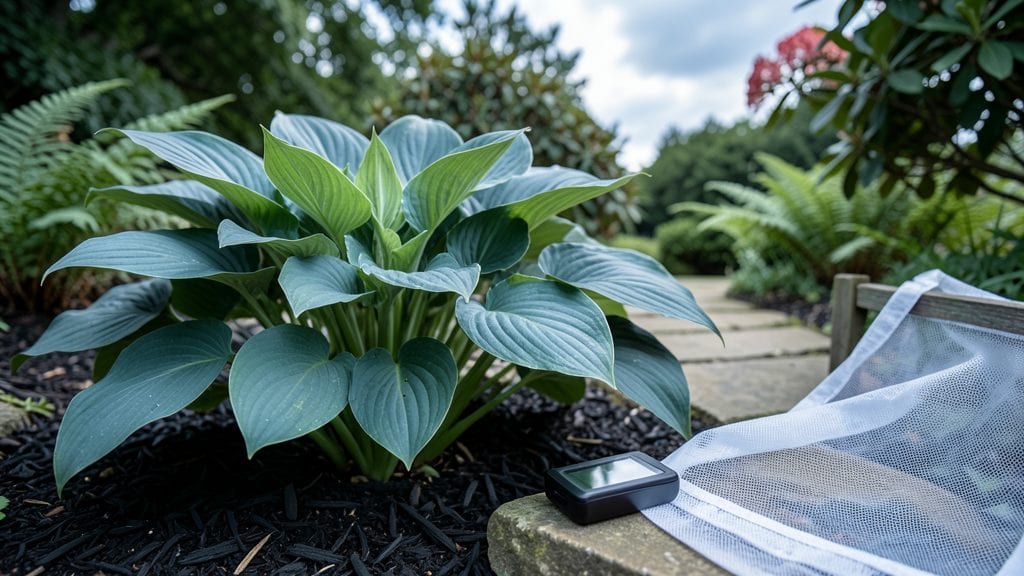
Shade-loving plants like hostas and ferns only need 2-4 hours of indirect light to thrive. These plants have evolved to avoid direct sun, which can scorch their delicate leaves. The trade-off? They grow slower and may produce fewer flowers.
For instance, a hosta left in full sun for more than 2 hours daily will develop brown, crispy edges—a clear sign of sunburn. The trick is to place them where they receive dappled light, like under a tree canopy, where sunlight filters through leaves.
Seedlings are a special case—they often need indirect light or just 2-3 hours of direct sun to prevent overheating. Young plants have tender stems and leaves that can't handle intense sunlight.
For example, pepper seedlings left in full sun for more than 4 hours may develop white patches (a sign of heat stress). The solution? Start them in a shaded spot or under a 50% shade cloth until they've developed their first true leaves.
What most gardeners don't realize is how sunlight intensity matters just as much as duration. Direct sun (especially between 10 AM and 2 PM) delivers 100% of its energy potential, while morning or late-afternoon light is gentler.
This is why I often rotate my vegetable plants every 2-3 weeks to ensure even exposure.
For instance, a pepper plant on the north side of a garden might get only 4 hours of weak afternoon light, while one on the south side gets 6 hours of strong midday sun**—a difference that affects flavor and yield.
Here’s a quick reference for common garden categories:
- Vegetables: 6-8 hours (tomatoes, peppers, cucumbers)
- Herbs: 4-6 hours (basil, rosemary, thyme)
- Flowers: 4-6 hours (marigolds, zinnias, sunflowers)
- Shade Plants: 2-4 hours (hostas, ferns, impatiens)
- Seedlings: Indirect light or 2-3 hours (until hardened off)
The bottom line? Observe your plants' leaves—their color, texture, and growth rate will tell you if they're getting just the right amount of light. 🌿