
Pests
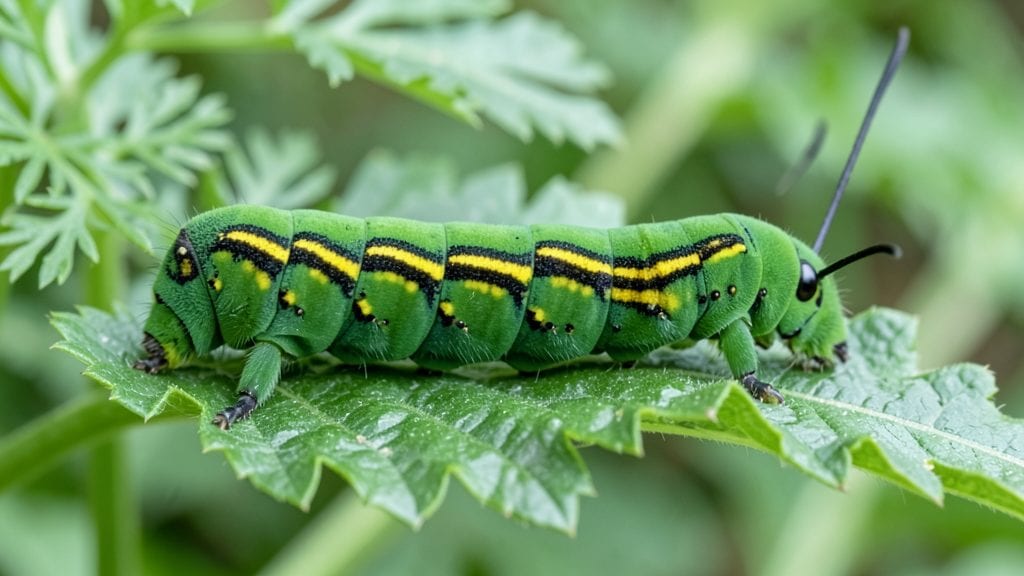
Green caterpillars in your garden aren’t just a nuisance—they’re nature’s alarm bells. 🌿 I’ve seen them strip entire tomato plants bare in days, and the first time it happened to me, I panicked before realizing these striped invaders are actually a common garden puzzle.
The good news? Most are harmless, but a few can devastate your crops if ignored.
Identifying them is half the battle. Look for bright green bodies with white stripes (likely tomato hornworms) or fuzzy green caterpillars (probably loopers or cutworms). They target tomatoes, peppers, beans, and basil, but not all green caterpillars are equal—some are beneficial predators in disguise.
The key is acting fast when you spot them munching away.
You’ll learn how to remove them without harsh chemicals, using simple techniques like handpicking, soapy water sprays, or introducing their natural predators (like parasitic wasps or birds). Within a week, your plants can bounce back stronger than ever, and you’ll avoid the heartbreak of watching your harvest disappear overnight.
This works for any garden size, from urban containers to sprawling backyard plots. The secret is staying one step ahead—once you recognize their habits, they become easier to manage than you’d think. Let’s get those plants protected!
📚 In This Guide
- What you need
- Instructions
- Tips and common mistakes
- Wrapping up and next steps
What you need
- ● Handheld magnifying glass (for close-up identification of larvae and damage 🔍)
- ● Gloves (thick, nitrile or rubber—caterpillars can be fuzzy or prickly!)
- ● Pruning shears or sharp scissors (for trimming infested leaves or plants)
- ● Garden twine or string (to tie up plants and protect them from further damage)
- ● Spray bottle (for applying organic solutions like soapy water or neem oil)
- ● Sturdy bucket or container (for collecting caterpillars or disposing of them)
- ● Flashlight (if inspecting plants in low light or evening hours)
- ● Neem oil (100% pure, cold-pressed) (1–2 tbsp per gallon of water for spray)
- ● Insecticidal soap (look for plant-safe, OMRI-listed options)
- ● Diatomaceous earth (food-grade) (lightly dust on leaves—reapply after rain)
- ● Beneficial nematodes (Heterorhabditis bacteriophora) (for soil-dwelling larvae)
- ● Row covers (floating fabric) (to protect plants from adult moths laying eggs)
- ● Yellow sticky traps (to catch adult moths before they reproduce)
- ● Field guide or app (e.g., iNaturalist or BugGuide for ID help)
- ● Camera or phone with macro mode (to snap photos for expert verification)
- ● Pest-resistant plant varieties (e.g., Bt-treated seeds or caterpillar-resistant tomatoes)
- ● Compost bin (for safely disposing of collected caterpillars)
How to identify and remove green caterpillars organically
Here's how to spot these leaf-munching pests and eliminate them without chemicals.
🌿 Step 1: Identify the Caterpillar Species and Damage
Start by examining the caterpillars closely—green caterpillars in gardens are often cabbage loopers, tomato hornworms, or imported cabbageworms. Look for striped bodies, smooth green skin, or horn-like projections on the rear. Check the undersides of leaves for chewed edges, skeletonized foliage, or frass (black fecal pellets).
Tomato hornworms, for example, can grow up to 4 inches long and have white diagonal stripes along their sides. Cabbage loopers, on the other hand, have a distinctive loop shape when they curl up. If you spot large holes in leaves or wilting plants, act quickly—these caterpillars multiply fast.
💧 Step 2: Handpick and Remove Visible Larvae
Early morning is the best time to handpick caterpillars since they’re sluggish from cooler temperatures. Wear gloves to avoid skin irritation from some caterpillar hairs. Drop them into a bucket of soapy water to kill them instantly—never release them elsewhere in your garden.
Focus on large leaves and flowering plants, where caterpillars hide during the day. If you’re dealing with a heavy infestation, check plants daily for 3-5 days to break the life cycle before eggs hatch into more larvae.
☀️ Step 3: Introduce Natural Predators and Beneficial Insects
Encourage parasitic wasps, like Cotesia glomerata, which lay eggs inside caterpillars—once they hatch, the larvae kill the host. Ladybugs and lacewings also prey on young caterpillars. Plant dill, fennel, or parsley nearby to attract these predators naturally.
If you spot white cocoons on caterpillars, those are signs of parasitic wasps already at work. Avoid disrupting these cocoons—they’re your best organic defense. For added protection, apply Bacillus thuringiensis (Bt), a soil bacterium that targets caterpillars but is safe for other garden life.
✂️ Step 4: Use Physical Barriers and Organic Sprays
Cover young plants with floating row covers made of lightweight fabric to block adult moths from laying eggs. Secure edges tightly with soil or stakes to prevent moths from slipping underneath. For existing infestations, spray plants with a mix of 1 tablespoon of neem oil and 1 teaspoon of dish soap per gallon of water—this disrupts feeding and growth.
Reapply sprays every 5-7 days or after rain, focusing on the undersides of leaves where caterpillars hide. Avoid spraying in direct sunlight to prevent leaf burn. For severe cases, handpick remaining caterpillars and repeat predator introductions weekly.
🪴 Step 5: Monitor and Prevent Future Infestations
After removal, inspect plants weekly for new eggs or larvae, which are usually small and pale green. Remove any eggs you find with a damp cloth or your fingers—even a few can lead to a full-blown outbreak. Keep your garden clean and weed-free, as weeds harbor pests and their eggs.
Rotate crops annually to disrupt moths’ life cycles, and plant marigolds or nasturtiums as companion plants—their strong scents repel adult moths. If caterpillars return next season, increase predator releases or switch to a different organic spray like spinosad, derived from soil bacteria.
Tips & tricks for identifying and removing green caterpillars organically
Here's what I've learned after battling garden caterpillars for years—these tricks will help you spot, remove, and prevent infestations without harming your plants or ecosystem.
Identification Pro Tip: The key to early intervention is knowing exactly what you're dealing with. In Step 1, when examining caterpillars, focus on their body shape and size—tomato hornworms have those distinctive white stripes and can reach 4 inches, while cabbage loopers are smaller with a looped posture. Look for frass (black fecal pellets) on leaf undersides too—this is a dead giveaway for active feeding. I always carry a magnifying glass when inspecting plants, as some eggs and larvae are barely visible to the naked eye.
Handpicking Strategy: In Step 2, timing is everything. Early mornings are ideal because caterpillars are sluggish from cooler temperatures, making them easier to spot and remove. I recommend wearing nitrile gloves—they're thicker than regular gloves and protect against potential skin irritation from caterpillar hairs. For heavy infestations, I've found that checking plants daily for 3-5 days is crucial. The first 24 hours after removal are critical because any missed eggs can hatch quickly, turning a small problem into a full-blown outbreak.
Predator Protection: When introducing beneficial insects in Step 3, remember that timing matters. Plant dill, fennel, or parsley near your vulnerable plants before you notice caterpillars—these herbs attract predators naturally. I've had the best success with parasitic wasps like Cotesia glomerata. The white cocoons you might see on caterpillars are actually a good sign—they mean the wasps are already doing their job. Never disturb these cocoons, as they're your silent allies in the garden ecosystem.
Spray Application: For the neem oil and dish soap mixture in Step 4, precision is key. Always spray the undersides of leaves where caterpillars hide, and avoid direct sunlight to prevent leaf burn. I've learned that reapplying every 5-7 days or after rain is non-negotiable. Pro tip: Mix your spray in a glass spray bottle rather than plastic—neem oil can degrade plastic over time. For severe cases, I combine this method with weekly predator introductions to create a multi-layered defense.
Pro Tips for Green Caterpillars In Garden
- Here's what I've learned after battling garden caterpillars for years—these tricks will help you spot, remove, and prevent infestations without harming your plants or ecosystem.
- Identification Pro Tip: The key to early intervention is knowing exactly what you're dealing with.
- Handpicking Strategy: In Step 2, timing is everything.
Frequently asked questions
What do green caterpillars in my garden actually eat?
Most green caterpillars, like the looper caterpillar or tent caterpillar, are leaf munchers. They target vegetables (tomatoes, peppers, cabbage), fruits, and ornamental plants. Check for skeletonized leaves (chewed edges) or silk webbing—classic caterpillar clues!
When are green caterpillars most active in gardens?
Peak activity is spring to early summer, when they hatch and grow fastest. Watch for them after rain (they’re thirsty!) or at dusk (they’re nocturnal). Pro tip: Inspect plants weekly during this window to catch infestations early.
Are there organic ways to remove them without harming my plants?
Yes! Try these non-toxic methods:
- Handpick them (drop in soapy water).
- Use neem oil spray (disrupts their life cycle).
- Introduce beneficial predators like ladybugs or parasitic wasps.
- Set up beer traps (caterpillars drown in shallow dishes of beer).
What if I find green caterpillars turning into moths or butterflies?
Some caterpillars (like cabbage whites) become butterflies, while others (e.g., gypsy moths) stay pests. Key difference: Butterflies have thin antennae with knobs; moths have feathery antennae. If they’re destructive, remove eggs/small caterpillars before they mature.
My plants are already heavily damaged—can they recover?
It depends! Young plants may need replacing, but mature plants often bounce back. Prune damaged leaves, fertilize with compost tea for recovery, and monitor for regrowth. Warning: Severe cases (e.g., tomato hornworms) may require row covers next season.
Wrapping up and next steps
Encountering green caterpillars in your garden can be unsettling, but with the right knowledge and tools, you can tackle the issue safely and effectively. 🌱 Whether you’re identifying them or opting for organic removal methods, your garden’s health—and your peace of mind—are well within reach. Start by taking action today: inspect your plants, use the tips shared, and keep an eye on those little critters before they become a bigger problem!
Remember, prevention is key. A little vigilance now can save your garden later—happy gardening! 🌿