
Advice
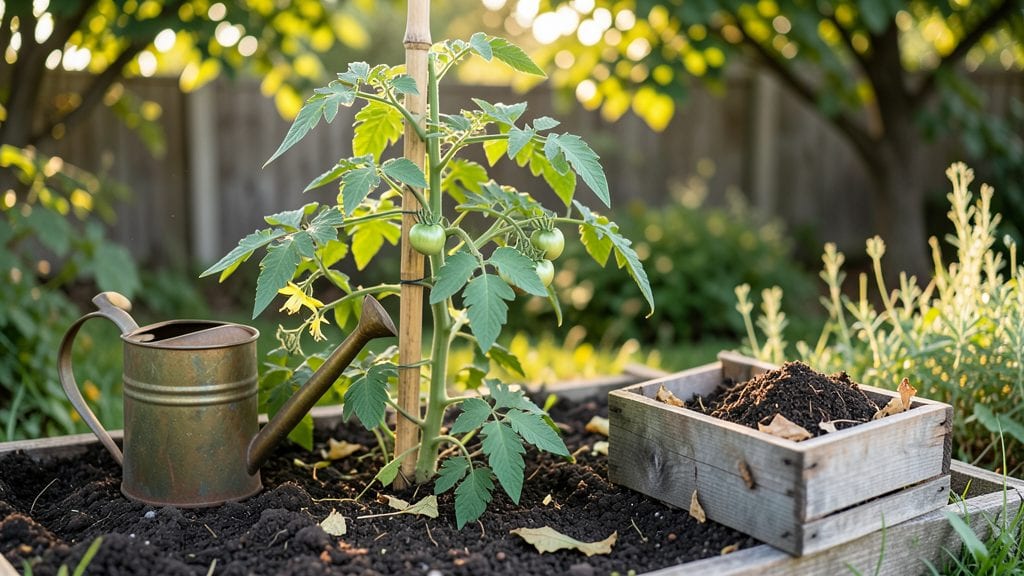
Grandpa's gardening tips still grow the biggest tomatoes I've ever seen. 🌱 Back when I was knee-high to a garden hose, he'd pull me into the dirt at dawn, whispering about how plants "talk to the earth" when you listen close enough.
His methods weren't fancy—they were smart, simple, and built on decades of watching what worked (and what didn't) in our rocky New England soil.
He swore by saving seeds from his best plants, turning compost with a pitchfork until it steamed like fresh-baked bread, and never watering after sunset because "plants don't like nighttime showers." The results?
Tomatoes that split with sweetness, zucchini vines so heavy they bowed the trellis, and a garden that fed the neighborhood for years—all without chemicals or gimmicks. His biggest lesson? "The secret's in the soil, not the seeds."
📚 In This Guide
- What you need
- Instructions
- Tips and common mistakes
- Wrapping up and next steps
What you need
- ● Gardening Gloves – A pair of durable, breathable gloves (e.g., nitrile-coated or leather) to protect your hands from thorns, dirt, and blisters.
- ● Hand Trowel – A 5-6 inch stainless steel trowel for planting, weeding, and digging small holes.
- ○ Pruners – Bypass pruners (not anvil) for clean cuts on plants and shrubs. Optional: A loppers set for thicker branches.
- ● Watering Can or Hose – A 1-2 gallon watering can with a rose nozzle (for precision) or a lightweight hose with a showerhead attachment.
- ● Compost or Fertilizer – 5-10 lbs of well-aged compost or a balanced 10-10-10 NPK fertilizer (nitrogen, phosphorus, potassium) to enrich the soil.
- ● Mulch – 2-3 cubic feet of straw, wood chips, or shredded leaves to retain moisture and suppress weeds.
- ● Seeds or Seedlings – Choose heirloom or disease-resistant varieties (e.g., tomatoes, zucchini, lettuce, or herbs). Start with 10-20 plants for beginners.
- ● Garden Soil or Raised Bed Mix – 1-2 cubic yards of high-quality potting mix or loamy garden soil (amend with compost if needed).
- ● Stakes or Trellis – 6-12 inch wooden stakes or a lightweight trellis for vining plants like cucumbers or beans.
- ● Knee Pads – For comfort during long gardening sessions.
- ● Wheelbarrow – A 2-3 cubic foot model for hauling soil, mulch, or tools.
- ● Soil pH Test Kit – To check if your soil is acidic or alkaline (ideal range: 6.0-7.0 for most veggies).
- ● Insect Spray or Neem Oil – 16 oz bottle of organic neem oil or soapy water spray for pest control.
- ● Garden Journal – A notebook to track planting dates, weather, and harvests (Grandpa’s secret weapon!).
- ● Solar-Powered Lights – For evening gardening or marking paths.
Grandpa's Step-by-Step gardening wisdom for a thriving garden
These are the exact methods I learned from my grandfather—simple, reliable, and proven over decades.
🌱 Step 1: Test and Prepare Your Soil Like a Pro
Grandpa always said, "A garden only grows as good as its soil." Grab a handful and squeeze it—if it crumbles easily, you're ready. If it stays in a hard clump, you need to work in 2-3 inches of compost and let it sit for a few weeks. I like to add a layer of aged manure or leaf mold in the fall, then till it in before spring planting.
Don’t skip this. Even the hardiest plants struggle in compacted soil. After amending, rake the surface smooth and level. Grandpa used to say, "A flat bed is a happy bed." This prevents water pooling and gives roots room to spread.
☀️ Step 2: Plant at the Right Time for Your Climate
Timing matters more than most new gardeners realize. Check your last frost date—then count back 4-6 weeks for cool-season crops like lettuce or peas, and wait until 2 weeks after the last frost for warm-season plants like tomatoes or peppers. Grandpa marked his calendar with a red X for frost dates and never missed a season.
If you’re unsure, stick a thermometer in the soil at planting depth. Most vegetables need soil at 50-60°F to germinate well. Here’s the trick: Plant in the late afternoon so seedlings get a head start on warmth overnight.
💧 Step 3: Water Deeply but Infrequently
Grandpa’s rule was simple: "Water like it’s raining—deep and slow." Use a soaker hose or watering can to deliver 1-2 inches of water per week, focusing on the base of plants. Watering lightly every day encourages shallow roots, which means weak plants that wilt fast in dry spells.
Check moisture by sticking your finger 1 inch into the soil. If it’s dry, water thoroughly. If it’s still damp, wait another day. Mulch with straw or grass clippings to keep moisture in and weeds out. This saves time and keeps plants healthier.
✂️ Step 4: Prune and Harvest Regularly
Grandpa pruned his tomatoes every week to encourage bushier growth and better fruit. Pinch off the first few flowers on young plants to let the plant focus on leaves and stems first. For herbs like basil, snip leaves just above a pair of leaves to keep the plant full and productive.
Harvest often—don’t wait for everything to ripen at once. Grandpa used to say, "A harvested plant is a happy plant." Picking regularly encourages more production and prevents pests from moving in when plants get overcrowded.
🪴 Step 5: Rotate Crops and Feed the Soil Annually
Every year, move your vegetables to a new spot in the garden. Grandpa kept a simple rotation: Tomatoes one year, beans the next, then potatoes, then back to tomatoes. This prevents soil-borne diseases and keeps nutrients balanced.
In late fall, spread a 2-inch layer of compost over the garden bed and till it in lightly. This replenishes nutrients and improves soil structure for next season. Skip the fancy fertilizers—good soil is the best fertilizer.
Tips & tricks for perfect Grandpa's gardening wisdom
Grandpa's methods are all about patience and precision—here's how to get the most out of his time-tested advice.
Soil Test Trick: When testing your soil in Step 1, try the "squeeze test" at different depths. The top 2-3 inches should crumble easily, but deeper layers might need more compost. I like to test three spots in my garden—the middle often stays damper and may need extra attention. This helps you spot trouble areas before planting.
Timing Secret: For Step 2, if you're unsure about your last frost date, check your local agricultural extension office—they have precise records. I also set up a simple thermometer in the garden to track soil temps. When it hits 50°F consistently, I know my cool-season crops are ready, and when it climates above 60°F, I switch to warm-season plants. This extra step saved me from planting too early and losing seedlings to frost.
Watering Wisdom: In Step 3, watering deeply but infrequently is key, but don't forget about the morning routine. Watering in the early morning (before 9 AM) gives plants all day to absorb moisture before evaporation kicks in. I set up a simple drip irrigation system that delivers exactly 1-2 inches per week—it's a game-changer for consistency, especially when I'm traveling. The mulch layer you add helps lock in that moisture and keeps weeds at bay.
Harvesting Hack: For Step 4, when harvesting tomatoes, I use a pair of sharp kitchen scissors to snip stems instead of twisting. This prevents damage to the plant and reduces the chance of disease entering through torn stems. For herbs, I always harvest in the morning when oils are most concentrated—this gives you the best flavor for cooking. And here's a bonus: when harvesting leafy greens, cut from the outer leaves first to encourage new growth in the center.
Pro Tips for Grandpa'S Gardening Tips
- Grandpa's methods are all about patience and precision—here's how to get the most out of his time-tested advice.
- Soil Test Trick: When testing your soil in Step 1, try the "squeeze test" at different depths.
- Timing Secret: For Step 2, if you're unsure about your last frost date, check your local agricultural extension office—they have precise records.
Frequently asked questions
Got questions about Grandpa’s gardening wisdom?
Here are some of the most common ones—plus no-nonsense answers to keep your green thumb thriving!
What’s the best time of year to start a garden?
Grandpa always said, "Start when the soil warms and the frogs sing!" For most regions, that’s late spring (after the last frost) for cool-season crops (like lettuce) and early summer (after soil hits 60°F+) for warm-season plants (tomatoes, peppers). Check your local frost dates—Grandpa kept a frost calendar taped to his tool shed!
How often should I water my plants?
Grandpa’s rule: Water deeply 1–2 times a week (more in extreme heat or sandy soil). He’d say, "Drown ‘em once, then let ‘em thirst!" Use a soaker hose or drip irrigation to avoid wetting leaves (fungus hate!). Early morning is best—Grandpa watered before dawn, just like his coffee.
What’s the easiest way to deal with pests without chemicals?
Grandpa’s go-to tricks:
- Neem oil spray (1 tsp + 1 quart water)—safe for most plants.
- Handpick squash bugs (drop ‘em in soapy water).
- Plant companions: Marigolds repel nematodes; basil deters flies.
- Row covers for cabbage worms (Grandpa called them "green bandits").
Can I grow a garden in containers if I don’t have a yard?
Absolutely!
Grandpa grew tomatoes in 5-gallon buckets and herbs in old coffee cans. Use well-draining soil (mix potting soil with perlite) and containers at least 12 inches deep for root crops. Sunlight is key: Place pots in the sunniest spot possible—even a balcony works! Herbs like basil thrive in small spaces.
What should I do with leftover garden soil or compost?
Grandpa never wasted a shovelful! Here’s what to do:
- Store extra soil in labeled bins (add 1 part compost to 3 parts soil to refresh it next year).
- Give it away—neighbors love free soil (just check for weeds first!).
- Use it for mulch around perennials or in flower beds.
- Compost leftover veggie scraps—Grandpa turned his kitchen waste into "black gold" in a simple bin with a lid (turn it weekly!).
How do I know if my plants are getting too hot or too cold?
Grandpa watched the leaves—they’re your early warning system!
Wilting in heat? Plants may need shade cloth or more water (but check soil first—it might be dry below the surface).
Yellow leaves in cold? Move tender plants (like peppers) to a sunny windowsill or greenhouse.
Frost damage? Cover plants with old blankets or cardboard at night (Grandpa used his quilt for tomatoes!).
Pro tip: Use your finger—if the top inch of soil feels cool, it’s time to water or protect!Wrapping up and next steps
Grandpa’s gardening wisdom proves that patience, observation, and a little elbow grease yield the most rewarding harvests. Whether you’re composting kitchen scraps, hand-pollinating blooms, or saving seeds for next season, these time-tested tips remind us that nature rewards those who nurture it with care. 🌱
Now that you’re armed with these secrets, roll up your sleeves and start small. Try one tip this week—maybe save a few tomato seeds or mulch a patch of struggling plants—and watch your green thumb grow!
Share your progress (and bloopers) with fellow gardeners; every expert was once a beginner.