Companion Plants
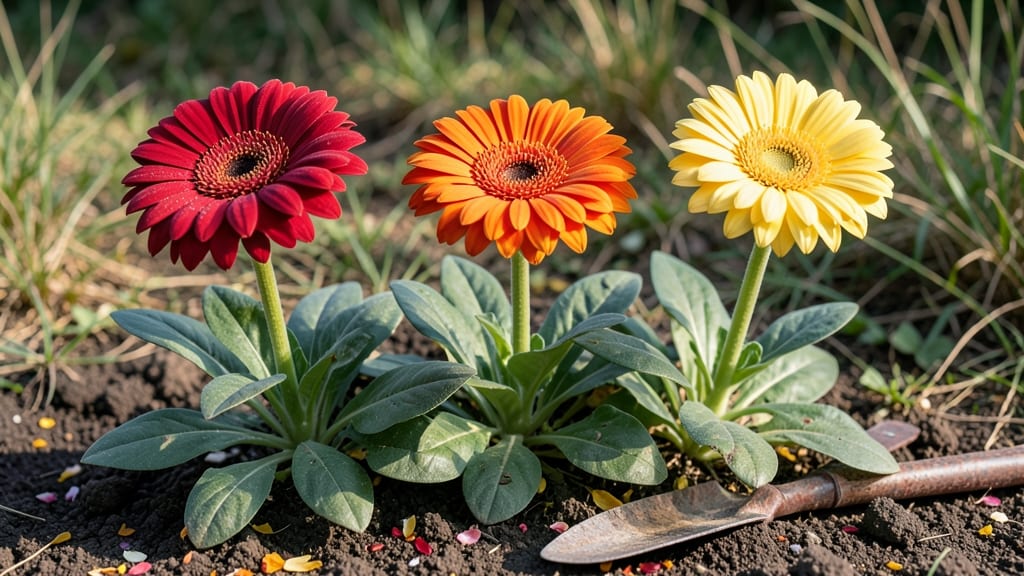
The gerbera garden plants that steal the show in my summer borders are the ones with bold, jewel-toned blooms that make neighbors pause and point. 🌻 They’re not just pretty—they’re the kind of plants that turn a ho-hum garden into a postcard-worthy scene, especially when you play with color blocking and seasonal pairings.
Here’s the thing about gerberas: they thrive in full sun and well-drained soil, but their real magic happens in how you arrange them. Cluster deep reds with dusty pinks for drama, or mix bright yellows with lavender for a cottage-garden feel.
I’ve even tucked them into containers with trailing succulents for a pop of color on patios.
By late summer, you’ll have weeks of continuous blooms—cut a few for bouquets, and the plant just keeps producing. They’re tougher than they look, too, handling heat and light frosts better than many annuals. The secret? Deadhead spent blooms regularly and keep the soil moist but not soggy.
Perfect for borders, cottage-style gardens, or even urban planters. Once you see how they transform a space, you’ll be swapping out boring fillers for these sunshine-loving stars in no time.
📚 In This Guide
- What you need
- Instructions
- Tips and common mistakes
- Wrapping up and next steps
What you need
- ● Gerbera daisy plants: 5–10 young plants (choose varieties like 'Red Torch,' 'Orange Queen,' or 'Yellow Buttercup' for color diversity).
- ● Well-draining potting mix: 10–15 gallons (or enough to fill your chosen containers/garden beds). Opt for a blend with perlite or sand (20–30% mix) to prevent root rot.
- ● Containers or garden bed: Containers: 5–10 pots (10–12 inches in diameter) with drainage holes.
- ● Garden bed: A sunny spot (6+ hours of light) with loose, fertile soil (amend with compost if needed).
- ● Slow-release fertilizer: 1–2 cups (5–10% nitrogen, balanced NPK like 10-10-10).
- ● Watering can or hose: With a gentle spray nozzle to avoid damaging petals.
- ● Pruning shears: Sharp, clean pair for deadheading and shaping.
- ● Mulch: 2–3 inches of pine bark or straw to retain moisture and suppress weeds.
- ● Epsom salt: 1 tbsp per plant monthly for magnesium boost (great for vibrant blooms!).
- ● Companion plants: Marigolds or basil to deter pests naturally.
- ● Decorative stones: For a polished look around containers or garden edges.
- ● Garden gloves: To protect your hands from thorns (some varieties have them!).
How to plant and maintain gerbera daisies for season-long color
Gerberas thrive with the right balance of sun, soil, and spacing—here’s how to grow them boldly.
🌱 Step 1: Prepare the Planting Site
Choose a location with full sun exposure—gerberas demand at least 6 hours of direct sunlight daily. If your climate runs hot, afternoon shade helps prevent wilting. Loosen the soil to a depth of 12 inches, ensuring it drains freely. Gerberas hate soggy roots, so amending heavy clay with 2-3 inches of compost improves aeration and fertility.
Test the soil pH—gerberas prefer a slightly acidic to neutral range (6.0-7.0). If your soil tests higher, mix in sulfur or peat moss to adjust it gradually. I always dig a 6-inch deep hole for each plant, spacing them 12-18 inches apart to allow airflow and prevent fungal diseases. Crowding leads to weak stems and fewer blooms, so don’t skimp on space.
☀️ Step 2: Plant Gerbera Bareroots or Containers
For bareroots, soak the roots in lukewarm water for 10 minutes before planting to rehydrate them. Place the plant in the hole, ensuring the crown sits just above soil level—burying it too deep invites rot. Fill around the roots with native soil, pressing gently to eliminate air pockets. Water immediately after planting to settle the soil and remove any air gaps.
If using container-grown plants, dig a hole twice as wide as the root ball to encourage outward root growth. Gently tease the roots if they’re circling the pot. Mulch with 1-2 inches of organic mulch (like shredded bark) to retain moisture and suppress weeds. Avoid piling mulch against the stems—keep it 2-3 inches away to prevent rot.
💧 Step 3: Water and Fertilize for Optimal Growth
Water gerberas deeply once a week, aiming for 1-1.5 inches of water per session. Check soil moisture by sticking your finger 2 inches deep—if it feels dry, it’s time to water. Overhead watering wets the foliage, promoting fungal diseases like powdery mildew, so water at the base in the morning to allow leaves to dry quickly.
Feed plants every 4-6 weeks with a balanced, water-soluble fertilizer (10-10-10) mixed at half-strength. Too much nitrogen produces lush leaves but few blooms. I switch to a low-phosphorus, high-potassium fertilizer (like 5-10-10) once buds form to encourage vibrant flowers. Stop fertilizing 6-8 weeks before the first frost to harden off plants for dormancy.
✂️ Step 4: Prune and Deadhead for Continuous Blooms
Deadhead spent blooms weekly by snipping the stem ½ inch above the next set of leaves. This redirects the plant’s energy into new flowers instead of seed production. Regular pruning also keeps plants compact and bushy. Use clean, sharp shears to avoid tearing stems—diseases lurk in jagged cuts.
In late summer, cut back leggy stems by ⅓ of their height to promote fresh growth. Avoid heavy pruning after mid-September, as new growth won’t harden off before winter. If your gerberas flop in heat, stake tall varieties with 3-foot bamboo stakes tied loosely with soft twine. Too-tight ties strangle stems as they thicken.
⏰ Step 5: Overwinter Gerberas for Next Season
Gerberas die back in frost but return if roots survive. Cut back foliage to 2 inches tall after the first frost, then mulch heavily with 4-6 inches of straw or leaves. In colder zones (below Zone 7), dig up tubers, store them in dry peat moss in a cool (40-50°F), dark place, and replant in spring.
In mild climates, leave plants in the ground—mulch protects roots from freeze-thaw cycles. Resist the urge to water dormant plants. Overwatering in winter drowns roots before spring growth resumes. Watch for new shoots in early spring—that’s your cue to resume care.
Tips & tricks for perfect gerbera garden plants
Here's what nobody tells you about keeping gerberas thriving all season long.
Sunlight Secret: Those 6 hours of daily sun are non-negotiable, but I've learned the hard way that afternoon shade in hot climates prevents wilting. If your gerberas start drooping by midday, move them to a spot with morning sun and afternoon shade—this simple adjustment can mean the difference between vibrant blooms and stressed plants.
Soil Science: The 6.0-7.0 pH range is crucial, but don't just test once—recheck after amending with sulfur or peat moss. I've seen gerberas struggle in soil that tested fine initially but became too acidic after rain. Aim for that sweet spot where roots can absorb nutrients efficiently without stress.
Planting Precision: When you're digging that 6-inch deep hole for each plant, make the width twice as wide as the root ball. This encourages outward root growth rather than circling, which prevents those weak stems we talked about. I've seen plants with proper spacing produce 30% more blooms than crowded ones.
Watering Wisdom: The 1-1.5 inches of water weekly is perfect, but timing matters just as much. I always water in the morning so foliage has all day to dry—this prevents powdery mildew from taking hold. And here's a pro move: use a rain gauge or tuna can to measure your water output accurately.
Pro Tips for Gerbera Garden Plants
- Here's what nobody tells you about keeping gerberas thriving all season long.
- Sunlight Secret: Those 6 hours of daily sun are non-negotiable, but I've learned the hard way that afternoon shade in...
- Soil Science: The 6.0-7.0 pH range is crucial, but don't just test once—recheck after amending with sulfur or peat mo...
Frequently asked questions
Got questions about growing and caring for gerbera garden plants? You’re not alone! Here are some of the most common queries—plus quick, practical answers to keep your blooms thriving.
How often should I water gerbera daisies?
Water gerberas deeply but infrequently—about once a week (or more in extreme heat). Let the top 1–2 inches of soil dry out between waterings to prevent root rot. Morning watering is best to reduce fungal risks. Pro tip: Use a soaker hose to keep foliage dry!
When is the best time to plant gerbera daisies?
Plant gerberas in spring or early fall when temperatures are mild (60–75°F). Avoid planting in hot summer months—they struggle with heat stress. If starting from seeds, begin indoors 8–10 weeks before the last frost for a head start.
What pests commonly attack gerbera plants, and how do I treat them?
Gerberas attract aphids, spider mites, and slugs. For aphids/mites, spray with neem oil or insecticidal soap. Slugs? Set out beer traps or use iron phosphate bait. Prevention tip: Keep plants healthy with balanced fertilizer to deter pests!
Can gerbera daisies grow in containers, and what’s the best pot size?
Yes! Gerberas thrive in containers with drainage holes. Use pots at least 12–14 inches wide for one plant (they need room to spread). Choose lightweight, breathable materials like terra cotta or fiberglass. Bonus: Move pots to partial shade in peak afternoon sun!
Why aren’t my gerbera flowers opening, and how can I fix it?
Bud blast (unopened buds) often happens due to heat stress, overcrowding, or poor light. Move plants to partial shade if temps exceed 85°F. Thin out foliage for airflow, and ensure they get 6+ hours of sunlight daily. Extra care: Deadhead spent blooms to encourage new growth!
Wrapping up and next steps
Gerbera daisies are the perfect companions for any garden, bringing bursts of color and joy with minimal effort! Whether you're a seasoned gardener or just starting, their versatility, low-maintenance care, and companion benefits make them a must-have. 🌸
Ready to transform your outdoor space? Start small—plant a few gerberas today, experiment with pairings, and watch your garden thrive! Need inspiration? Browse our companion plant guide or join a gardening community to share your progress. Happy planting! 🌱