Shrubs
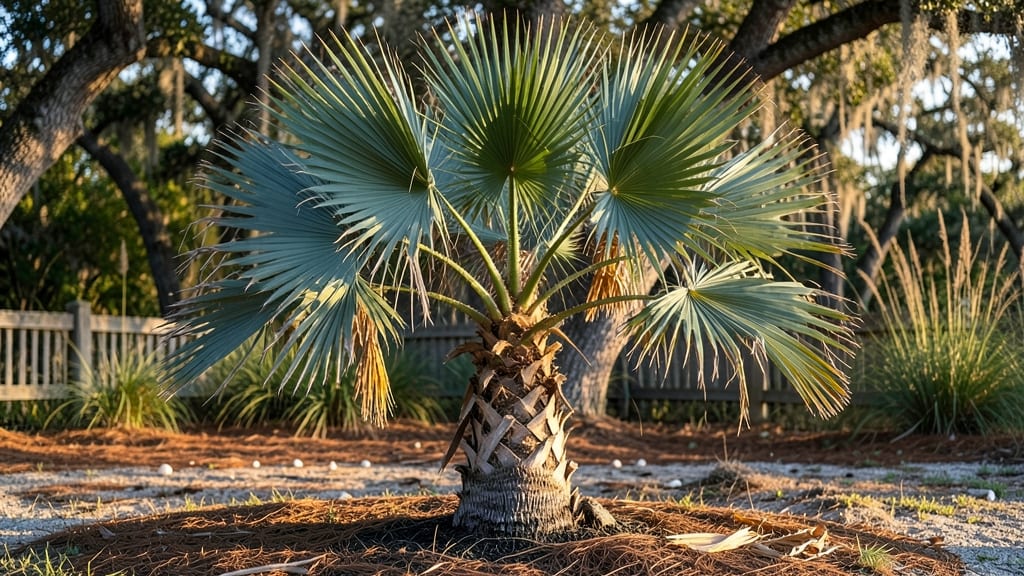
Understanding gardening zones in Florida is essential because they range from 8 to 11, shaped by the state’s subtropical and tropical climates, with zone 10 covering most regions. These zones dictate frost-free periods, heat tolerance, and the best plants for each area, ensuring thriving gardens year-round.
Florida’s gardening zones aren’t just numbers—they’re a roadmap for what plants will thrive where. 🌿 The USDA system, adjusted for Florida’s unique microclimates, accounts for rare frost events in the northern zones while acknowledging that southern Florida’s Zone 11 rarely sees temperatures below 30°F.
This means a plant hardy in Zone 10 might struggle in Zone 11’s humidity, while Zone 8’s shorter growing season demands early starts for warm-season crops. For example, citrus trees flourish in Zone 10 but may need winter protection in Zone 9.
What’s fascinating is how these zones influence even non-native plants. A bougainvillea might survive in Zone 10 but require extra care in Zone 8’s cooler winters. The key is matching plants to their zone’s heat tolerance and humidity levels, not just the zone number itself.
For instance, coontie palms thrive in Zone 11’s heat but can handle brief cold snaps, making them versatile for Florida’s varied climates.
💡 In This Article
- How Florida’s Gardening Zones Impact Plant Survival
- Best Plants for Each Florida Gardening Zone
How Florida’s gardening zones impact plant survival
Florida’s gardening zones are more than just numbers—they reflect the state’s complex climate interactions where temperature, humidity, and frost risk create distinct growing conditions. The USDA’s standard zones (8-11) don’t fully capture Florida’s reality because they don’t account for the state’s humidity extremes or rare but damaging frost events.
For instance, Zone 8 in northern Florida can experience 24-28°F temperatures for brief periods, while Zone 11 in the Keys rarely drops below 30°F—a difference that drastically affects plant hardiness.
The science lies in how plants’ cellular membranes respond to cold: below 32°F, ice crystals form in plant tissues, disrupting water transport and causing damage.
Humidity plays a critical role in plant survival that standard zones often overlook. Florida’s 80-90% humidity levels create a microclimate where fungal diseases thrive, requiring plants to develop thicker cuticles or natural resistance.
For example, coontie palms in Zone 11 tolerate heat and humidity better than sago palms because their roots have adapted to Florida’s waterlogged soils during summer storms.
Meanwhile, Zone 8’s lower humidity means plants like crepe myrtles can handle drier conditions but may struggle with the sudden humidity spikes that trigger powdery mildew in Zone 10.
The growing season length varies dramatically across zones. Zone 8 has about 240 frost-free days, while Zone 11 enjoys 365 days of potential growth—though heat stress becomes the limiting factor.
Plants like tomatoes in Zone 10 need shade during peak summer (95°F+), while Zone 11’s coconut palms thrive in these temperatures but require consistent moisture. The key is matching plants to their zone’s temperature extremes and seasonal patterns, not just average conditions.
Microclimates within zones add another layer of complexity. A coastal area in Zone 10 might be 5-10°F warmer than inland due to ocean breezes, while a lake’s edge can create a cooler microclimate.
This is why a mango tree might thrive near the coast but struggle 20 miles inland—even in the same zone.
Understanding these variations helps gardeners select plants that match their specific conditions, whether it’s a southern magnolia in Zone 9’s cooler inland areas or a bromeliad in Zone 11’s high-humidity coastal zones.
What most gardeners don’t realize is how humidity affects heat tolerance. A plant might handle 100°F in dry Zone 8 but wilt in Zone 10’s same temperature due to higher humidity reducing evaporative cooling.
This is why drought-tolerant plants like yucca thrive in Zone 9’s inland areas but may struggle in Zone 10’s muggier conditions. The solution? Choose plants with adaptive traits—like air-purifying foliage or deep root systems—that match your zone’s specific climate challenges.
For example, citrus trees in Zone 10 need winter protection from occasional 30°F dips, while Zone 11’s avocado trees face heat stress above 90°F. The difference lies in their physiological adaptations: citrus trees have cold-hardy enzymes, while avocados rely on heat-shock proteins to survive.
Understanding these mechanisms helps gardeners make informed choices about which plants will thrive in their specific conditions.
Ultimately, Florida’s gardening zones are a tool for predicting success—but the real science lies in how plants interact with their environment. By accounting for humidity, microclimates, and temperature extremes, you can create a garden that not only survives but thrives in Florida’s unique climate. 🌿