Pests
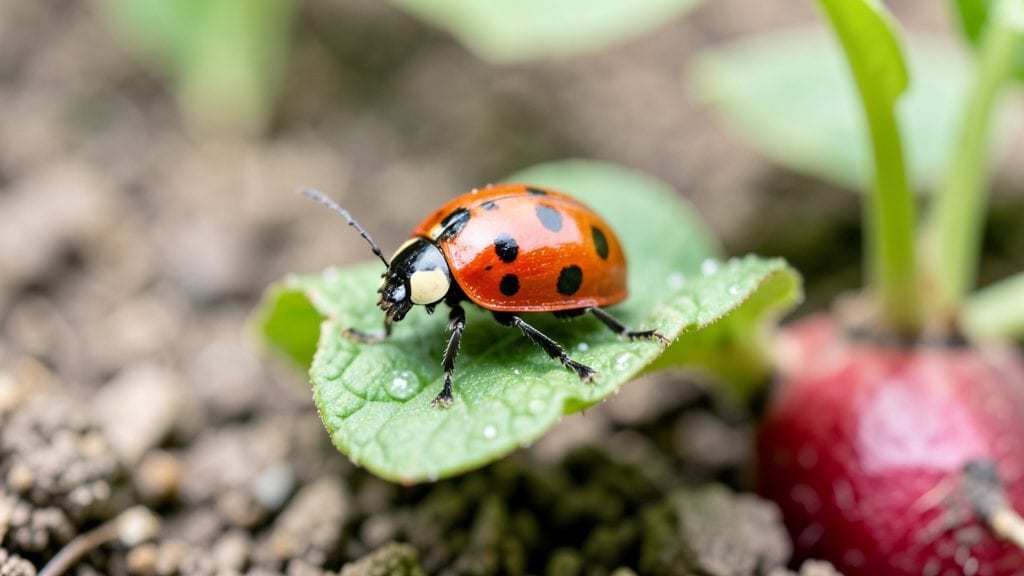
Mastering garden beetles identification can turn those creepy crawlies into allies—just observe their size, color, and the damage they leave behind. 🌱 I’ve spent years watching these tiny invaders, and the key is their size, color, and the damage they leave behind.
A quick glance at their markings or chewing patterns tells you everything you need to know about whether to welcome them or send them packing.
The good guys—like lady beetles with their bright red shells and black spots—actually eat pests for you. The troublemakers, such as Japanese beetles with their metallic green bodies or Colorado potato beetles with yellow-and-black stripes, will strip your plants bare if left unchecked.
Learning their habits, like when they’re most active or what plants they target, cuts down on guesswork and frustration.
Once you recognize the culprits, managing them becomes straightforward. A few drops of neem oil, strategic traps, or even handpicking can make all the difference. You’ll see fewer chewed leaves and more thriving plants within weeks, and the best part? You won’t need harsh chemicals to do it.
This works for any garden, from small containers to sprawling backyards. The trick is acting fast—before the beetles turn your hard work into a buffet. Let’s get you identifying like a pro in no time.
📚 In This Guide
- What you need
- Instructions
- Tips and common mistakes
- Wrapping up and next steps
What you need
- ● Hand lens or magnifying glass (5x–10x magnification) – For spotting tiny details like leg patterns or antennae segments.
- ● Field guide or smartphone app – Use iNaturalist, BugGuide, or a printed guidebook (e.g., National Audubon Society Field Guide to Insects).
- ● Notebook and pencil – Jot down observations like size, color, habitat, and damage signs.
- ● Measuring tape or ruler (inches/millimeters) – Beetles range from 1/16" to over 2"—precision matters!
- ● White tray or sheet of paper – Helps contrast beetle colors for easier ID.
- ● Spray bottle with water – Gently immobilize beetles for closer inspection (no harm!).
- ○ Gloves (optional but handy) – Protects hands from sticky beetle fluids or prickly hairs.
- ● UV flashlight (blacklight) – Some beetles (like fireflies) glow under UV light!
- ● Camera with macro setting – Snap photos for later comparison.
- ● Small jars with ventilation holes – For temporarily holding beetles (release them afterward!).
- ● Local entomologist contacts – If you’re stumped, experts love helping ID tricky species!
Quick guide to identifying common garden beetles
Here's how to spot the most frequent visitors in your garden—and what they mean for your plants.
🪲 Step 1: Spot the Japanese Beetle (Most Destructive)
The Japanese beetle is unmistakable with its shiny green head and copper-brown wings. Look for skeletonized leaves—they chew between the leaf veins, leaving a lacy pattern behind. You'll often find them clustered on roses, grapes, or beans, feeding in groups. Their larvae, called grubs, are white with brown heads and live in soil, devouring grass roots.
Check your lawn in late spring or early summer when beetles emerge. They're most active in the morning, so that's when you'll spot them easily. If you see just a few, they're probably harmless, but large numbers mean your plants are at risk.
🪲 Step 2: Recognize the Colorado Potato Beetle (Orange and Black)
This beetle has a bright orange body with black stripes and legs. Its larvae are yellow with black heads and spots, often found in clusters on potato, tomato, and eggplant leaves. They leave behind ragged, chewed foliage and can strip plants completely if left unchecked. Adults feed on leaves but do less damage than their larvae.
Look under leaves or on stems where they hide during the day. They're most common in gardens where their favorite plants grow. If you see these beetles, act fast—they reproduce quickly and can overwhelm plants in weeks.
🪲 Step 3: Identify the Lady Beetle (Helpful Predator)
Lady beetles, or ladybugs, are small with round, spotted backs. They come in many colors—red with black spots, yellow with black spots, or even all black. Unlike destructive beetles, these are your allies—they eat aphids, mites, and other pests. Their larvae are elongated with spots and look very different from the adults.
You'll find them crawling on leaves or flying around plants. If you see them, leave them alone! They're one of the best natural pest controls in your garden. Encourage them by planting flowers like marigolds or dill nearby.
🪲 Step 4: Watch for the Mexican Bean Beetle (Yellow and Black)
This beetle has a yellow body with black spots and legs. Its larvae are yellow with black stripes and spines, often found in groups on bean plants. They skeletonize leaves just like Japanese beetles but prefer legumes like beans, peas, and clover. Adults also feed on leaves, causing noticeable damage.
Check the undersides of leaves where they hide during the day. They're most active in late summer when beans are maturing. If you spot them early, you can handpick them or use row covers to protect your plants.
🪲 Step 5: Spot the Carrot Rust Fly (Small and Unassuming)
Adult carrot rust flies are small, black, and yellow with a rust-colored stripe. Their larvae are creamy white and live inside carrot, parsnip, and celery roots, causing them to wither and rot. Look for wilted or stunted plants in your root vegetable patch. The adults lay eggs near the base of plants in early summer.
Check for tiny holes or wilting plants in your carrot patch. If you see these signs, cover plants with fine mesh to prevent adults from laying eggs. Rotate crops yearly to disrupt their life cycle.
Tips & tricks for quick garden beetle identification
Mastering these quick visual cues will help you spot garden pests before they cause serious damage—no magnifying glass required!
Morning is Key: Most garden beetles are most active during the early morning hours when temperatures are cooler. I always check my garden first thing in the morning for Japanese beetles and Colorado potato beetles—they're easiest to spot when they're sluggish from the night. This is when you'll see them clustered on leaves rather than hiding.
Look Under Leaves: Don't just examine the tops of leaves! Colorado potato beetles and Mexican bean beetles love to hide on the undersides during the day. I make it a habit to flip leaves over when I notice chewed edges—this is where you'll often find the culprits. A small flashlight helps if you're inspecting in shaded areas.
Check for Specific Damage Patterns: Each beetle leaves behind distinctive damage signs. Japanese beetles create "skeletonized" leaves where they eat between the veins, while Colorado potato beetles leave ragged, uneven holes. I keep a small notebook by my garden tools to sketch these patterns when I first notice them—it helps me identify them faster next time.
Seasonal Timing Matters: Remember that beetles have specific active seasons. Japanese beetles appear in late spring to early summer, while Mexican bean beetles peak in late summer when beans are maturing. I mark my garden calendar with these seasonal reminders so I know when to be extra vigilant. This prevents me from missing early signs of infestation when beetles are most vulnerable to control.
Pro Tips for Garden Beetles Identification
- Mastering these quick visual cues will help you spot garden pests before they cause serious damage—no magnifying glass required!
- Morning is Key: Most garden beetles are most active during the early morning hours when temperatures are cooler.
- Look Under Leaves: Don't just examine the tops of leaves!
Frequently asked questions
Got questions about identifying and dealing with garden beetles? You’re not alone! Here are some of the most common queries—plus straightforward answers to help you take action fast.
How do I tell if a beetle is harmful to my garden?
Look for chewed leaves, stems, or roots—a sure sign of destructive beetles like Japanese beetles or Colorado potato beetles. Good guys (like lady beetles) have spots or stripes and help control pests. When in doubt, snap a photo and compare it to a garden beetle ID guide.
When is the best time to spot and treat garden beetles?
Most beetles are most active in late spring to early summer, especially on warm, sunny days. Morning or evening is ideal for handpicking them (they’re slower then!). If you see eggs or larvae (grubs), act fast—they multiply quickly!
What’s the safest way to get rid of beetles without chemicals?
Try these eco-friendly fixes:
For heavy infestations, check out our organic pest control tips. Beetle populations boom after mild winters, drought stress (weakens plants), or if you’ve recently added new host plants (like roses or potatoes). Overwatering can also attract grubs. Rotate crops and remove debris to break their life cycle. Beneficial beetles like:
Leave some leaf litter or plant native wildflowers to encourage these helpful critters! Still stumped? Drop a comment—we’re happy to help you ID that beetle!
Why are there suddenly more beetles in my garden this year?
Can beetles help my garden at all?
Wrapping up and next steps
Identifying garden beetles doesn’t have to be a puzzle—with the right tools and a keen eye, you can spot the good, the bad, and the just curious! 🐞 Whether you’re protecting your prized plants or simply satisfying your curiosity, recognizing these critters helps you act fast when needed.
Now that you’re armed with knowledge, take the next step: monitor your garden regularly and keep a simple identification chart handy. Happy gardening—and may your beetle encounters be as rewarding as they are informative!