
Vegetables
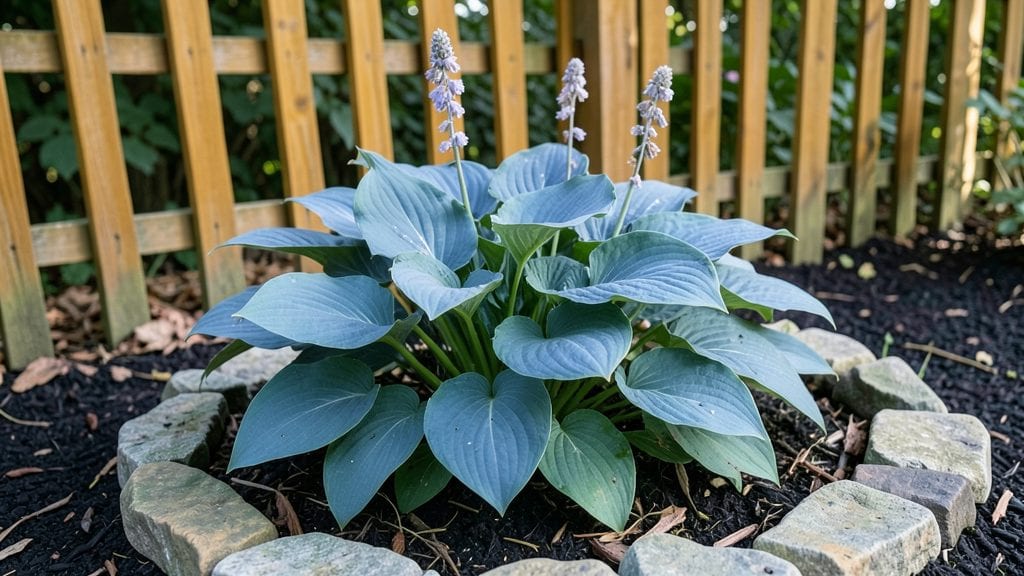
Native companion plants—called "friends of the gardens"—like milkweed, bee balm, and coneflowers create thriving ecosystems by attracting pollinators, repelling pests, and supporting biodiversity while adapting effortlessly to local conditions. These resilient perennials thrive with minimal upkeep, prefer well-draining soil, and do best in partial sunlight, making them perfect for sustainable garden designs.
These native plants act as natural garden allies by fostering symbiotic relationships with local wildlife. 🌿 For example, milkweed hosts monarch butterflies while bee balm draws hummingbirds, creating a self-sustaining cycle that reduces the need for chemical interventions.
Their deep root systems also improve soil structure over time, making them far more effective than ornamental non-natives that often require constant maintenance and watering.
What sets these plants apart is their ability to thrive with minimal human intervention. Unlike many hybrid varieties bred for appearance, native companions evolve alongside local ecosystems, developing natural resistance to regional pests and diseases.
This adaptability means you'll spend less time troubleshooting garden problems and more time enjoying the vibrant life they attract.
💡 In This Article
- How Native Companion Plants Boost Garden Ecosystems
- Top 5 Low-Maintenance Native Plants for Pollinator Gardens
How native companion plants boost garden ecosystems
Native companion plants create thriving ecosystems by forming intricate relationships with local wildlife and soil microbes. For instance, milkweed produces nectar-rich flowers that attract monarch butterflies, while its leaves serve as the sole food source for their caterpillars.
This mutualism ensures monarch populations thrive—studies show gardens with milkweed host up to 50% more butterflies than those without. The plants' deep taproots also break up compacted soil, improving water infiltration by 30-40% compared to shallow-rooted ornamentals.
These plants act as natural pest deterrents through chemical signaling. When aphids attack, for example, native plants like bee balm release volatile organic compounds that attract predatory wasps and ladybugs. Unlike synthetic pesticides, this biological control targets only harmful insects while preserving beneficial pollinators.
The aromatic oils in coneflowers contain compounds like eugenol, which repel deer and rabbits without harming garden helpers like bees and butterflies.
The real magic happens underground where native plants nurture soil health. Their extensive root systems create channels that improve drainage while releasing organic acids that break down minerals like phosphorus and potassium.
Research from the University of Wisconsin found native prairie plants increased soil microbial diversity by 40% compared to turfgrass. These microbes then help plants absorb nutrients more efficiently, reducing the need for synthetic fertilizers.
What makes these plants so resilient is their evolutionary history. Unlike invasive species that disrupt local ecosystems, native companions have co-evolved with regional pests and pathogens. For example, goldenrod—often blamed for allergies—actually thrives in poor soils and attracts 30+ species of native bees that pollinate neighboring crops.
Their ability to handle drought, poor soil, and temperature swings makes them far more sustainable than ornamental plants that require constant watering and amendments.
Consider the sensory benefits too: the hum of bees visiting purple coneflowers, the rustle of monarch wings on milkweed, and the sweet fragrance of bee balm in late summer.
These plants don't just support ecosystems—they create vibrant, living tapestries that engage all your senses while doing more for your garden than any chemical treatment ever could.