
Light Requirements
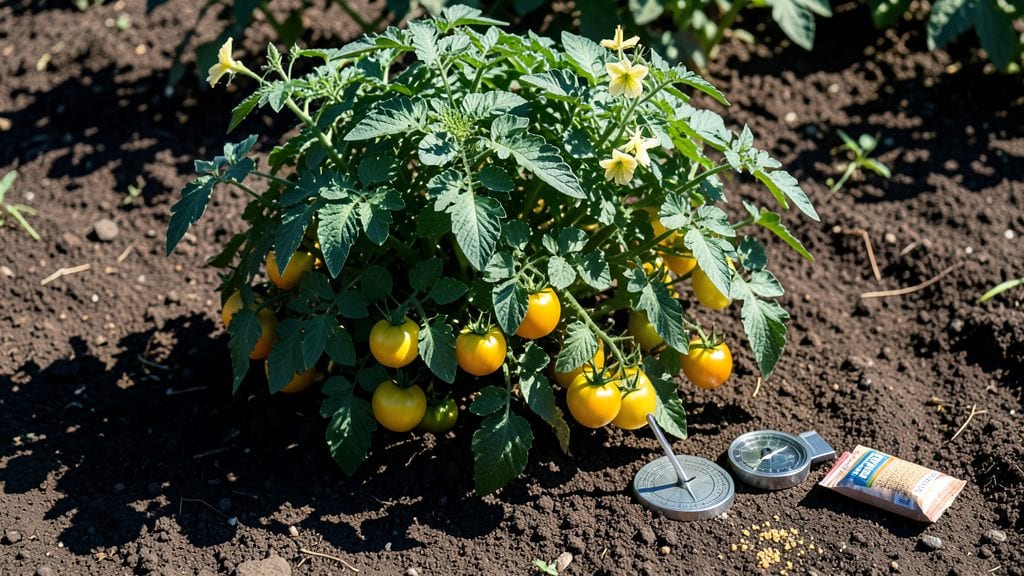
Vegetable gardens don’t always need full sun—most thrive in 6-8 hours of direct sunlight daily, while shade-tolerant crops like lettuce, spinach, and peas grow well in 4-6 hours. Partial shade (morning sun + afternoon shade) can extend growing seasons in hot climates, but leafy greens and root vegetables often suffer in deep shade or filtered light.
Sunlight isn’t just about quantity—it’s about quality.
Crops like tomatoes and peppers need intense light to develop flavor and set fruit, while leafy greens like kale or Swiss chard can handle gentler conditions. 🌱 The key is matching your plants to their natural light preferences, especially in containers or urban spaces where full sun isn’t always possible.
I’ve seen radishes thrive in just 4 hours of morning light, proving that even small patches can produce harvests with the right choices.
Partial shade isn’t just a compromise—it can actually work to your advantage in extreme heat. Morning sun paired with afternoon shade prevents bolting in lettuce and keeps roots cool for carrots.
The trick is understanding your microclimate: a north-facing window might offer filtered light perfect for herbs, while a south-facing wall could scorch delicate greens. Always test your spot for at least 24 hours before planting to gauge true light exposure.
💡 In This Article
- How Sunlight Affects Vegetable Growth and Yield
- Best Vegetables for Shady Garden Spots
How sunlight affects vegetable growth and yield
Sunlight drives photosynthesis, where plants convert light energy into chemical energy through chlorophyll—a green pigment that absorbs blue and red wavelengths most efficiently. Fruiting vegetables like tomatoes and peppers need 8+ hours of direct light to produce optimal yields because their energy demands are higher for fruit development.
In contrast, leafy greens like spinach and kale can thrive with 4-6 hours since their focus is on leaf production rather than fruiting. The intensity matters too: bright, direct rays maximize photosynthesis, while filtered light slows growth and weakens stems.
Here's what happens under different light conditions: tomatoes exposed to full sun (8+ hours) develop deeper flavor and higher lycopene content (the antioxidant that gives them their red hue), while those in partial shade may produce fewer fruits that ripen unevenly.
Peppers, too, need intense light to set fruit—without it, they'll grow lush foliage but few peppers. 🌿 Meanwhile, leafy greens like lettuce bolt (go to seed prematurely) in hot, full sun, but partial shade keeps them tender and sweet.
The science shows that light quality matters: blue light (morning sun) promotes leafy growth, while red light (afternoon sun) boosts flowering and fruiting.
Root vegetables like carrots and onions also have specific needs. Carrots require 6-8 hours of light to develop their signature sweetness and crisp texture, while onions need even more to form large, sturdy bulbs. In low-light conditions, roots may grow leggy or bitter. The reason?
Roots rely on photosynthesis to fuel their growth below ground, and insufficient light leads to poor energy transfer. What most gardeners don’t realize is that even partial shade can reduce yield by 30-50% in these crops, as their growth cycles depend on consistent energy input.
Partial shade—like morning sun with afternoon shade—can actually benefit some plants in hot climates. For example, Swiss chard and kale grow more slowly in full sun during summer, but partial shade prevents them from wilting while maintaining their nutrient density.
The trick is balancing light exposure: too little leads to pale, weak plants, while too much causes stress, especially in heat-prone areas. 💡 A general rule is that 4-6 hours of direct light is the sweet spot for shade-tolerant crops, but even they need some bright periods to prevent leggy, sparse growth.
Light intensity also affects flavor and texture. Tomatoes grown in full sun develop a firmer texture and richer taste compared to those in shade, where their cell walls weaken from lack of energy. Peppers, on the other hand, may become bitter if they don’t get enough light to fully ripen.
Leafy greens like arugula taste milder in partial shade, while herbs like cilantro become more pungent with more light. The takeaway? Match your plants to their light needs, and don’t assume "shade" means "low quality"—it’s about finding the right balance for your climate and crop.
For gardeners working with limited space, reflective surfaces like white mulch or light-colored containers can redirect up to 30% more light to plants, effectively increasing their exposure. This is especially useful for urban gardeners or those with north-facing plots.
The key is observing your plants: if leaves are small and dark green, they’re likely light-starved, while yellowing or wilting suggests too much heat or sun. Adjust accordingly, and you’ll maximize both yield and flavor. ✨