
Tools
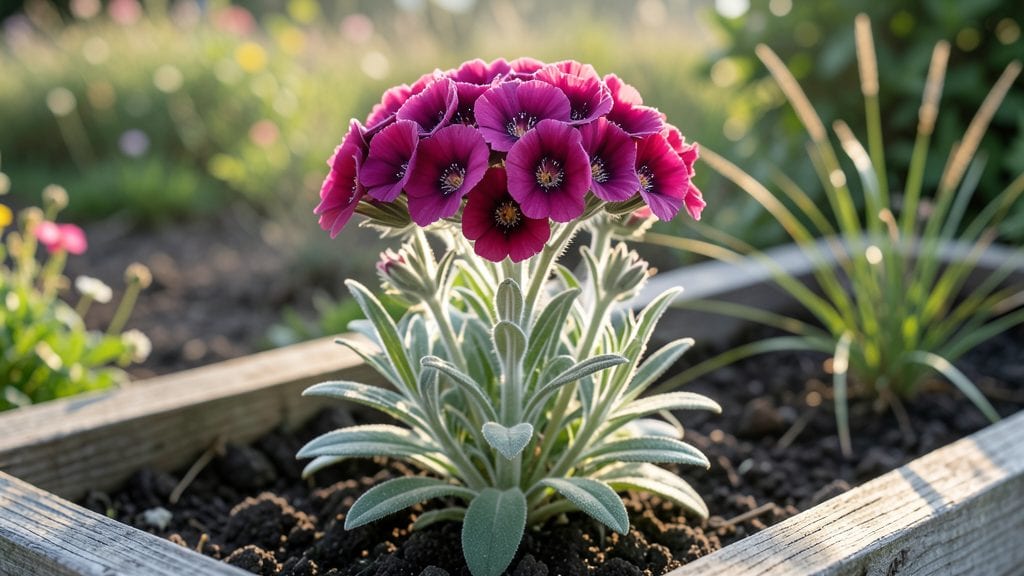
Dianthus in garden borders transforms a simple edge into a fragrant, textured masterpiece that keeps blooming from spring through fall. ✨ I planted mine along my front walk last year, and the clove-like scent now greets me every time I step outside—like a secret garden perfume.
These tough little perennials thrive in spots where other plants fail, from hot, dry slopes to partial shade under trees.
The real magic happens when you pair them with the right neighbors. Lavender and catmint echo their silvery foliage, while yarrow and Russian sage provide contrasting heights and seasonal interest.
For pollinator gardens, mix in bee balm or coneflowers—they’ll draw in butterflies while the dianthus holds its own against hungry deer. Even in modern designs, their neat mounds and bold colors create clean, structured lines that soften hardscapes.
You’ll end up with borders that look intentional but require almost no effort—just deadheading spent blooms to encourage more flowers. The flowers themselves come in every color except true blue, from deep magenta to creamy white, and their petals often have striking stripes or edges.
Plant them in masses for maximum impact, or let them spill over container edges for a cottage-garden feel.
Works equally well in formal herbaceous borders, wildflower meadows, or even as edging for vegetable gardens. The key is giving them well-drained soil and full sun—they’ll reward you with years of low-maintenance color and fragrance that most annuals can’t match.
📚 In This Guide
- What you need
- Instructions
- Tips and common mistakes
- Wrapping up and next steps
What you need
- ● Dianthus plants: Choose between seedlings (for variety) or bare-root plants (for quicker blooms). Aim for 3–5 plants per square foot for lush borders.
- ● Well-draining soil: Mix 1 part garden soil with 1 part coarse sand or perlite (critical for preventing root rot!).
- ● Compost or organic fertilizer: Use a balanced 10-10-10 or low-phosphorus blend (e.g., 5-10-5) to avoid leafy growth over flowers.
- ○ Mulch (optional but recommended): 2–3 inches of pine straw or gravel to retain moisture and deter weeds.
- ● Garden trowel or transplant spade (for digging holes 6–8 inches deep).
- ● Pruners or shears (for trimming dead blooms and shaping plants).
- ● Garden gloves (to protect hands from prickly stems!).
- ● Watering can or hose with a gentle spray nozzle (dianthus hates soggy roots!).
- ● Measuring tape or ruler (to space plants 12–18 inches apart for airflow).
- ● Full sun location: 6+ hours of direct sunlight daily (dianthus thrives in hot, sunny spots!).
- ● pH-balanced soil: Aim for 6.0–7.0 pH (test with a soil kit or send a sample to a local extension office).
- ● Drought tolerance prep: Once established, dianthus needs minimal watering—just 1 inch per week in dry spells.
- ● Patience for blooms: Seeds may take 60–90 days to flower; transplants bloom in 4–6 weeks.
Step-by-Step guide to planting dianthus for long-lasting fragrance
Here's how to create a perennial border that bursts with color and scent every year.
🌱 Step 1: Choose the Perfect Planting Location
Dianthus thrives in full sun, so pick a spot that gets at least 6-8 hours of direct sunlight daily. I always check the sun patterns throughout the day—morning sun is gentler, while afternoon sun can be intense, especially in summer. Avoid low-lying areas where cold air settles in winter, as dianthus is hardy but not frost-tolerant.
Well-draining soil is non-negotiable—dianthus roots rot quickly in soggy conditions. If your soil is heavy clay, amend it with 2-3 inches of coarse sand or grit mixed into the top 12 inches of soil. You'll see the difference immediately: plants in amended soil stay healthier and bloom longer.
🌿 Step 2: Prepare the Soil and Plant with Care
Loosen the soil to a depth of 12 inches with a garden fork, breaking up any compacted layers. Work in a 2-3 inch layer of compost to enrich the soil without overwhelming the plants. Dianthus prefers slightly alkaline soil, so if yours is acidic, sprinkle 1 cup of garden lime per 10 square feet and mix it in.
Dig holes twice as wide as the root ball but only as deep as the container. Gently remove each plant from its pot, tease the roots if they're circling, and place it in the hole so the top of the root ball sits level with the surrounding soil. Press the soil firmly around the roots to eliminate air pockets, then water deeply to settle everything.
💧 Step 3: Water and Mulch for Healthy Growth
Water newly planted dianthus deeply once a week, aiming for 1 inch of water per week. The key is consistency—let the soil dry out slightly between waterings, but never let it become bone-dry. You'll know it's right when the top 2 inches of soil feel dry to the touch but moisture remains deeper.
Apply a 2-inch layer of mulch (like pine straw or shredded bark) around each plant, keeping it 2 inches away from the stems to prevent rot. Mulch helps retain moisture and keeps roots cool in summer. Avoid heavy mulch, which can smother the plants and trap too much moisture.
✂️ Step 4: Prune and Maintain for Continuous Blooms
Deadhead spent blooms regularly to encourage more flowers. I pinch off faded flowers with my fingers or use small pruning shears, cutting just above a set of leaves. This simple step keeps dianthus blooming from early summer until fall. After the first hard frost, cut back the foliage by one-third to tidy the plant for next season.
Fertilize lightly in early spring with a balanced, slow-release fertilizer (like 10-10-10) applied at half the recommended rate. Too much fertilizer leads to lush foliage but fewer flowers. You'll see the best results when you feed just enough to support growth without overpowering the plant.
☀️ Step 5: Protect and Enjoy Year After Year
In late winter, apply a 2-3 inch layer of mulch to insulate roots from freezing temperatures. Dianthus is hardy but benefits from extra protection in colder climates. I also watch for pests like aphids—spray plants with a soapy water solution (1 tablespoon mild dish soap per gallon of water) if you spot them.
With proper care, your dianthus border will reward you with fragrant blooms for years. The secret is patience—give the plants time to establish roots before expecting full blooms. You'll love the sweet, clove-like scent that fills the air on warm days, making your garden a true sensory delight.
Tips & tricks for fragrant perennial borders with dianthus
Creating a fragrant dianthus border that thrives year after year takes more than just planting—it's about the little details that make all the difference. Here's what I've learned from years of growing these sweet-scented beauties.
Sunlight Strategy: That 6-8 hours of sunlight in Step 1 is non-negotiable, but here's the secret: morning sun is your friend. I've found that planting dianthus where they get morning sunlight and afternoon shade (especially in hot climates) prevents the flowers from scorching. If your garden only gets strong afternoon sun, consider planting them near a wall or fence that provides some afternoon relief. The flowers will thank you with longer-lasting blooms and that signature clove-like fragrance.
Soil Science: The 12-inch depth for loosening soil in Step 2 is perfect, but don't stop there. I always do a quick soil test before planting—if your soil tests acidic (below pH 6.5), that garden lime recommendation becomes even more critical. For every 10 square feet, I actually use 1.5 cups of lime rather than 1 cup, especially in clay-heavy soils. The extra effort prevents that dreaded yellowing of leaves that signals nutrient deficiencies.
Planting Precision: When you're planting those holes twice as wide as the root ball in Step 2, here's my pro tip: use a small garden trowel to create vertical "slits" in the sides of the hole. This helps the roots spread out more naturally as they establish. I also like to add a handful of bone meal to each hole—it's a slow-release fertilizer that gives the roots a phosphorus boost right when they need it most.
Watering Wisdom: The once-weekly watering in Step 3 is spot-on, but timing matters just as much as quantity. I always water in the early morning—this gives the plants time to absorb moisture before the heat of the day. And here's something nobody tells you: if you're in a particularly hot climate, increase that 1-inch weekly watering to 1.5 inches during peak summer months. The extra moisture helps maintain that vibrant color and fragrance.
Pro Tips for Dianthus In Garden
- Creating a fragrant dianthus border that thrives year after year takes more than just planting—it's about the little details that make all the difference.
- Sunlight Strategy: That 6-8 hours of sunlight in Step 1 is non-negotiable, but here's the secret: morning sun is your friend.
- Soil Science: The 12-inch depth for loosening soil in Step 2 is perfect, but don't stop there.
Frequently asked questions
Got questions about growing dianthus in your garden? You’re not alone! Here are answers to the most common queries to help you cultivate fragrant, long-lasting blooms with ease.
When is the best time to plant dianthus?
For spring-blooming varieties, plant in early spring after the last frost. Summer-blooming types thrive when planted in late spring or early summer. If you’re in a mild climate, fall planting also works—just ensure the soil isn’t frozen. Pro tip: Space plants 12–18 inches apart for airflow and to prevent disease.
How long does it take for dianthus to bloom after planting?
Patience pays off! Most dianthus varieties take 6–12 weeks to bloom after planting, depending on the season and growing conditions. First-year blooms may be sparse, but once established, they’ll reward you with season-long color (spring through fall for many types). Troubleshooting tip: If blooms are slow, check for adequate sunlight (6+ hours/day) and well-draining soil.
What pests or diseases should I watch for with dianthus?
Dianthus is generally hardy, but keep an eye out for aphids, spider mites, and slugs—they love tender foliage! Powdery mildew can also appear in humid conditions. Preventative care: Water at the base (avoid wetting leaves), space plants properly, and remove spent blooms to encourage airflow. Neem oil or insecticidal soap works for pests.
Can dianthus grow in containers or hanging baskets?
Dianthus thrives in containers, making it perfect for balconies, patios, or window boxes. Choose a pot with drainage holes and use a well-draining potting mix (add perlite or sand if needed). Compact varieties like Dianthus chinensis or D. barbatus work beautifully in hanging baskets. Bonus: Move containers to partial shade in hot afternoons to protect delicate blooms.
What are some low-maintenance alternatives to dianthus?
If dianthus seems too fussy, try these fragrant, long-blooming perennials with similar charm:
- Lavender – Drought-tolerant, loves full sun, and repels pests.
- Catmint (Nepeta) – Blooms spring to fall, attracts pollinators, and resists deer.
- Salvia – Heat-loving, comes in vibrant colors, and thrives in poor soil.
- Yarrow (Achillea) – Tough, drought-resistant, and blooms nonstop.
Wrapping up and next steps
Incorporating dianthus into your garden is a rewarding choice—these fragrant, low-maintenance perennials bring vibrant color and seasonal charm with minimal effort. Whether you’re designing a cottage-style border, a pollinator-friendly space, or a fragrant pathway, dianthus thrives in diverse conditions and rewards you with year after year of blooms. 🌸
Ready to transform your garden? Start by selecting your favorite varieties, gathering the right tools, and planting with confidence. Your next step: sketch a quick garden layout or visit a local nursery to pick out your dianthus—then watch your garden bloom into a fragrant paradise!