
How To
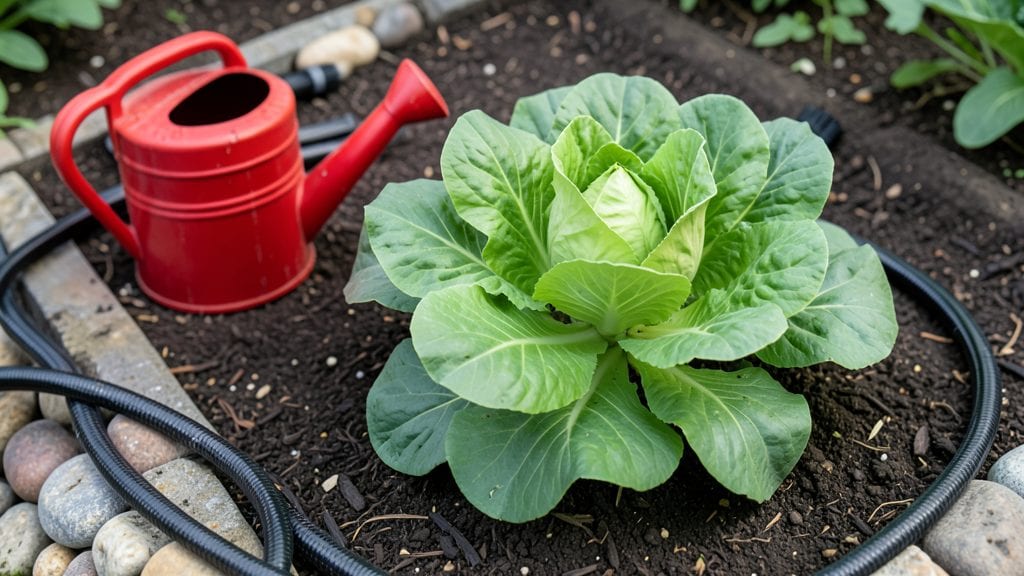
Watering your vegetable garden the right length of time keeps 🥬 plants thriving and harvests bountiful—most need 1-2 inches of water per week, but timing is everything.
Overwatering or underwatering your vegetable garden can stunt growth, attract pests, or even kill your plants—so how do you know exactly how long to water for peak harvests? The answer lies in understanding your soil, plant types, and weather patterns.
In USDA Zone 6a, spring planting (April-May) demands careful attention—deep watering in the morning ensures roots absorb moisture before the heat sets in. For leafy greens like lettuce, shorter sessions work, while tomatoes need longer soaks to develop fruit.
Below, I’ll break down the perfect watering schedule, soil tests to avoid mistakes, and how to adjust for rain or drought—so your garden stays moist, not soggy.
How long to water vegetables based on soil type and plant needs
Watering your vegetable garden isn’t a one-size-fits-all task. The soil type and plant category (leafy greens, root crops, or fruiting plants) drastically change how long you should water. Sandy soil drains quickly, while clay soil holds moisture longer, and each plant has unique needs.
Without the right watering duration, you risk root rot or stunted growth—neither of which you want when aiming for a bountiful harvest.
For example, leafy greens like lettuce and spinach need frequent, shallow watering, while deep-rooted vegetables such as carrots and potatoes require slow, deep soaks. Fruiting plants like tomatoes and peppers need consistent moisture but hate soggy roots.
Seasonal adjustments also play a role—summer heat demands more frequent watering, while cooler months may require less. Let’s break it down so you can water with confidence.
Soil type is the foundation of your watering schedule. Sandy soil drains water in 15-30 minutes, meaning you’ll need to water 2-3 times per week for most vegetables. On the other hand, clay soil can take hours to drain, so watering once every 5-7 days may suffice. Loamy soil (the gold standard) holds moisture well but drains efficiently, requiring watering every 3-5 days. Always adjust based on rainfall and temperature.
Leafy greens like kale, spinach, and Swiss chard need 1-1.5 inches of water per week, split into daily light waterings or every-other-day deep soaks. These plants have shallow roots, so keeping the top 1-2 inches of soil moist is key. Overwatering can cause bolting (premature flowering), while underwatering leads to bitter leaves. A morning watering routine helps prevent fungal diseases like downy mildew.
Root vegetables, including carrots, beets, and radishes, need deep, infrequent watering to encourage straight growth. Aim for 1-2 inches of water per week, but let the soil dry slightly between waterings to prevent forked roots. Sandy soil may require watering every 2-3 days, while clay soil can go 5-7 days between deep waterings. Avoid wetting the foliage to reduce disease risk.
Fruiting plants like tomatoes, peppers, and cucumbers demand consistent moisture, especially during flowering and fruiting. These plants need 1.5-2 inches of water per week, delivered through deep watering 2-3 times per week. Uneven watering causes blossom-end rot in tomatoes or cracked peppers. Mulch heavily to retain moisture and keep roots cool. In hot climates, you may need to water daily to prevent stress.
Seasonal adjustments are non-negotiable. In summer, when temperatures soar, water early in the morning to reduce evaporation and fungal risks. Winter watering should be minimal—just enough to keep soil from drying out completely. Spring and fall offer a middle ground, where 3-5 days between waterings usually works, depending on soil type and rainfall. Always check soil moisture before watering to avoid overdoing it.
Here’s a quick reference to help you tailor your watering schedule based on soil type and plant category:
The 3-Step soil-moisture test to avoid over/underwatering
Determining the perfect watering time for your vegetable garden can feel like guessing—until you master the soil-moisture test. This simple method helps you avoid both overwatering (which suffocates roots) and underwatering (which stresses plants).
The key is checking moisture at the right depth and looking for subtle clues your soil gives you.
Most gardeners focus on surface moisture, but roots often extend 6-12 inches deep in vegetable plants. A quick test at this depth tells you whether your garden truly needs water. For containers or raised beds, the soil dries out faster, so you’ll need to adjust your timing accordingly.
Let’s break down the foolproof steps to get it right every time.
Step 1: The Finger-Check Test
- Insert your finger 1-2 inches deep into the soil near your plants.
- If the soil feels dry and crumbly, it’s time to water.
- If it’s moist but not soggy, wait another day.
Step 2: Visual Cues
- Check for soil crusting or white salt deposits—signs of overwatering.
- Look for wilted leaves in the afternoon, which often means underwatering.
- Dark, muddy soil after watering indicates poor drainage.
Step 3: Weight-Based Test
- Lift a container or raised bed—if it feels light, the soil is dry.
- For in-ground gardens, dig a small hole and check the weight of a soil clump.
- A heavy clump means excess moisture; a light, dry clump means it’s time to water.
For leafy greens like lettuce or spinach, aim for consistently moist soil, but never soggy. Root vegetables like carrots or beets need even moisture to prevent cracking, while tomatoes and peppers thrive with deep, infrequent watering to encourage strong roots.
Adjust your watering schedule based on these tests and your garden’s specific needs.
Pro tip: Keep a watering journal to track when you water and how your plants respond. Over time, you’ll notice patterns—like how clay soil stays wet longer than sandy soil—and fine-tune your approach. Consistency is key to avoiding stress on your plants and maximizing your harvest.
Remember, the goal is deep, thorough watering rather than frequent light showers. This encourages roots to grow deeper, making your vegetable garden more resilient. With these three steps, you’ll never guess again—just test, observe, and adjust!