Advice
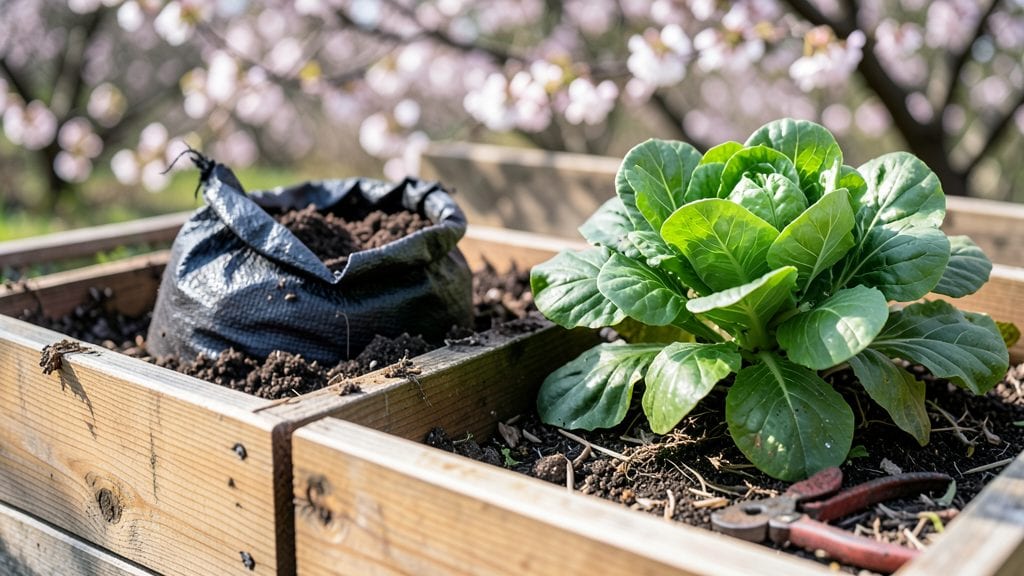
The cost of building a raised garden bed ranges from $100 to $1,500+, depending on size, materials, and whether you DIY or hire a pro. A 4x8-foot cedar bed typically costs $200–$600 for lumber, while composite or pre-built kits push prices to $500–$1,500. Soil, hardware, and tools also impact the total budget.
The price tag for a raised garden bed isn't just about the lumber—it's a mix of material choices, project scale, and skill level. 🌱 For example, a 4x4-foot cedar bed might run $150–$300 for wood alone, while adding corner brackets and landscape fabric for stability can add another $50–$100.
If you're going the DIY route, don't forget to budget for tools like a drill, level, and work gloves unless you already own them.
On the higher end, pre-built kits with built-in drainage or cedar planks treated for rot resistance can justify the $1,000+ price tag for those who prioritize longevity over upfront savings.
What many first-timers overlook are the hidden costs—like garden soil or compost (a 4x8-foot bed needs 1–2 cubic yards, costing $50–$150 delivered) or the time spent measuring, cutting, and assembling. 💛 If you're handy, a weekend project could save you $300–$500 in labor costs compared to hiring a pro.
But if you're short on time or dealing with uneven terrain, the $150–$300 for professional installation might be worth it to avoid frustration.
💡 In This Article
- Material Cost Breakdown for Raised Garden Beds
- DIY vs. Professional Installation Costs and Trade-offs
Material cost breakdown for raised garden beds
Cedar remains the gold standard for raised beds because of its natural resistance to rot and insects, thanks to its high tannin content.
A 4x8-foot bed using 2x6 cedar boards (standard for most DIYers) costs about $200–$400 for untreated lumber, while pre-treated cedar can run $250–$500 due to chemical additives that extend lifespan to 10–15 years.
Redwood, another premium choice, costs 10–20% more than cedar but offers similar durability—its natural oils resist decay even better in wet climates.
Composite lumber (like Trex or ChoiceDek) eliminates rot concerns entirely but comes at a premium. A 4x8-foot bed in composite costs $500–$900 for materials alone, with $10–$20 per linear foot pricing. These materials mimic wood grain but won't warp or splinter, making them ideal for coastal areas or high-moisture zones.
Pre-built kits (like those from Gardeners.com) add $100–$300 in assembly hardware and often include built-in drainage systems that justify their higher price.
Hardware like galvanized corner brackets ($2–$5 each) and deck screws ($0.50–$1 per screw) add $20–$50 to any build, but skipping them risks instability—especially for beds taller than 12 inches.
Soil costs vary wildly: 1 cubic yard of premium garden mix runs $50–$150 delivered, while cheaper fill dirt may cost $20–$40. A 4x8-foot bed needs 1–2 cubic yards, so budget $50–$300 just for soil, depending on quality and local prices.
Here’s how costs scale with size (using cedar as baseline):
- 4x4-foot: $120–$250 (wood) + $30–$80 (soil)
- 4x8-foot: $200–$500 (wood) + $50–$150 (soil)
- 8x8-foot: $400–$1,000 (wood) + $100–$300 (soil)
Treated pine, the budget alternative, costs 30–50% less than cedar but lasts only 5–7 years due to chemical leaching and rot. For example, a 4x8-foot pine bed might cost $120–$250 upfront but requires replacement sooner—adding long-term costs that often exceed cedar’s initial investment. 💫
Pro tip: Buy lumber in 8-foot lengths to minimize waste (standard for most home improvement stores). If your bed is 4x4-foot, you’ll need 4 boards (cut to 4-foot lengths), while an 8x8-foot bed requires 8 boards (cut to 8-foot lengths).
Pre-cutting saves time but adds $10–$30 per board at lumberyards.
For longevity, cedar’s natural oils create a protective barrier against moisture, while composite’s plastic-polymer blend resists warping in extreme heat or cold. If you’re in a humid climate, the $100–$200 extra for cedar or composite pays off by avoiding rot-related replacements every few years.