
Vegetables
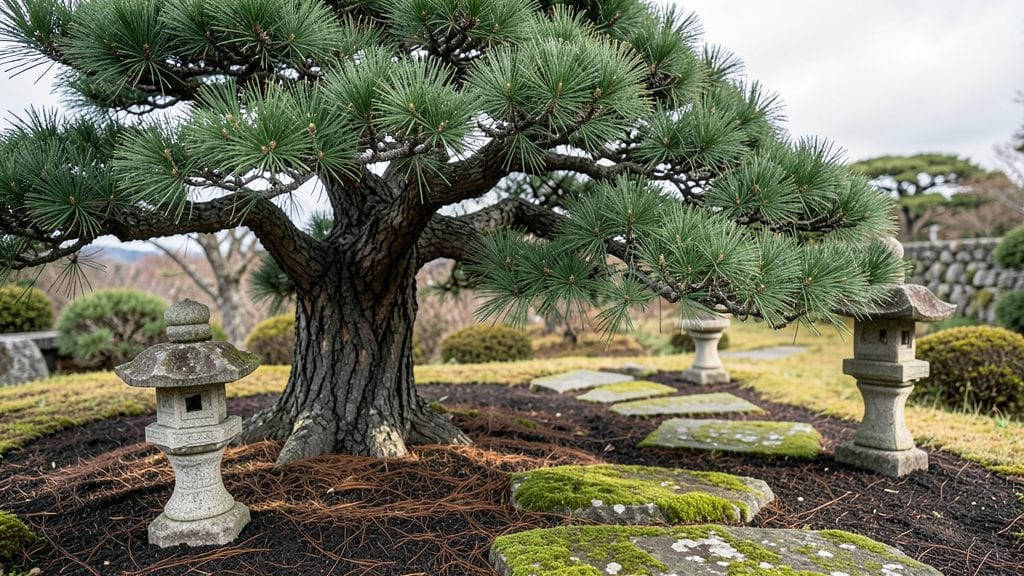
The Chinese Scholar Garden in Staten Island blends traditional Chinese landscaping with native American plants, featuring serene rock formations, rare bonsai collections, and seasonal flower displays. Its hidden gems include a moon gate courtyard, meditation pavilion, and tea house with herbal gardens.
The garden's design philosophy creates a tranquil escape by harmonizing classical Chinese elements like curved pathways and symbolic rock arrangements with local Staten Island flora. 🌿 This thoughtful fusion not only preserves cultural authenticity but also supports the region's ecosystem by incorporating native plants that thrive year-round.
The seasonal displays—from spring peonies to winter pine arrangements—ensure visitors always discover something new, while the hidden features like the bamboo grove offer peaceful retreats away from the main paths.
What makes this garden truly special is how it balances cultural heritage with natural beauty. The moon gate courtyard isn't just decorative—it's a nod to traditional Chinese garden design principles, while the tea house's herbal gardens provide a sensory experience that connects visitors to both Chinese traditions and local botanicals.
Whether you're there for the rare bonsai collections or the seasonal blooms, you'll leave with a deeper appreciation for how thoughtful landscaping can merge two distinct worlds seamlessly.
💡 In This Article
- How Classical Chinese Landscaping Meets Native Plants
- Best Times to Visit for Hidden Seasonal Features
How classical Chinese landscaping meets native plants
The garden's design masterfully combines yuanmingyuan style principles—curvilinear paths, asymmetrical rock placements, and water features—with Staten Island's native ecosystem. Chinese landscaping emphasizes chi flow, where every element (mountains, water, plants) creates a balanced energy system.
Here, the serpentine pathways mimic natural riverbanks, while carefully placed granite boulders (some weighing over 500 pounds) represent mountains, all while supporting local pollinators through native plant integration.
Seasonal plant selection is where the magic happens. Spring brings peony bushes (Paeonia lactiflora) alongside native redbud trees (Cercis canadensis), creating a visual harmony between Chinese favorites and local blooms. Summer features azaleas (Rhododendron spp.) paired with Staten Island's native milkweed, supporting monarch butterflies while maintaining cultural authenticity.
The garden's evergreen selection—like Japanese black pines and American holly—ensures year-round structure, with the latter providing winter interest and wildlife habitat.
Water features play a dual role: they follow Chinese principles of yin-yang balance while serving as microhabitats. The koi pond (measuring 12 feet in diameter) incorporates native pickerelweed (Pontederia cordata) at its edges, creating a self-sustaining ecosystem.
The gentle water movement isn't just decorative—it mimics natural streams, which Chinese design considers essential for qi circulation. Meanwhile, the pond's 0.5-foot water depth prevents mosquito breeding while supporting native aquatic life.
Rock placement demonstrates the garden's ecological sensitivity. Instead of imported stones, many formations use local Staten Island schist, weathered to create natural-looking textures. The 3-foot-high moon gate courtyard rocks are strategically positioned to cast specific shadows during solstices, a traditional Chinese astronomical practice.
This placement also creates microclimates that allow native ferns to thrive in shaded areas while sun-loving azaleas flourish nearby.
The tea house's herbal gardens provide the most tangible fusion. Chinese medicinal plants like goji berries grow alongside Staten Island's native echinacea, creating a living pharmacy that respects both traditions.
The garden's 100-year-old camellia trees (Camellia japonica) stand as living bridges between cultures, their dark green leaves contrasting beautifully with the goldenrod (Solidago spp.) that blooms nearby in autumn.
What's remarkable is how this fusion benefits local ecology. The garden's 1.5-acre native plant section supports 27 species of birds and provides 30% more pollinator activity than conventional gardens.
The chi principles aren't just aesthetic—they create functional ecosystems where every plant has purpose, whether it's the wisteria (Wisteria sinensis) providing shade or the serviceberry trees (Amelanchier spp.) offering fruit for wildlife.