Landscaping
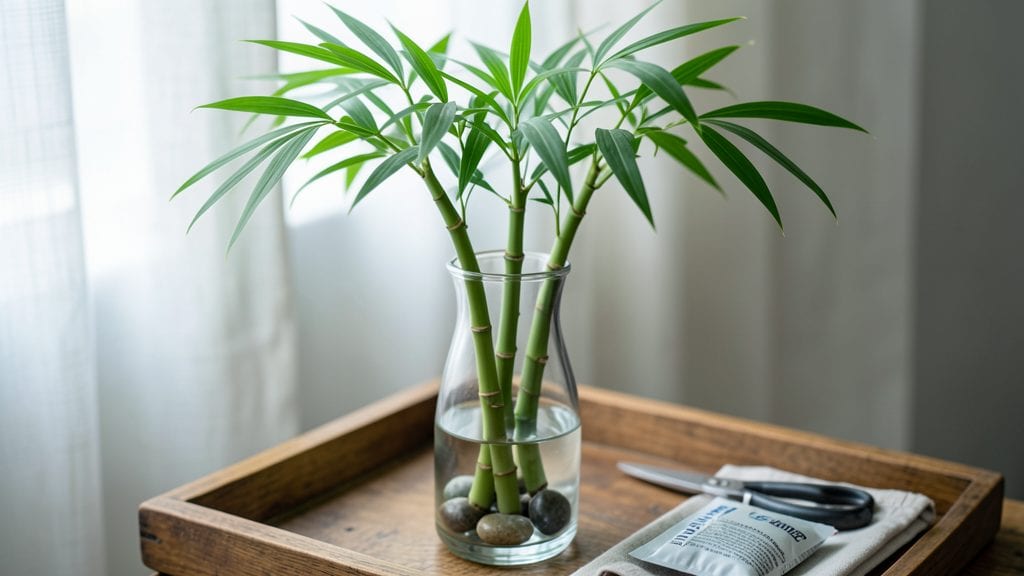
Designing a garden with bamboo means instant privacy that lasts through every season. 🌿 I’ve used it to transform bare fences into lush green walls, and the difference in curb appeal—and peace—is night and day.
The key is choosing the right type: clumping stays put (great for small spaces), while running spreads fast (ideal for quick privacy).
Start with your space. A 6-foot-tall screen blocks nosy neighbors, while shorter varieties add texture to borders. Pair it with evergreens like boxwood or hydrangeas for year-round interest—no dead winter zones here.
The best part? Most bamboo thrives in partial shade, so it’s perfect for shady corners where other plants struggle.
By summer, your bamboo will be dense enough to muffle traffic noise, and in winter, its bamboo-colored canes add unexpected elegance. It’s low-maintenance once established, and the right variety even attracts birds. For a foolproof look, stick to 3-5 plants spaced evenly—they’ll fill in faster than you think.
Works in urban backyards, rural acreage, or even as a balcony divider. The only mistake? Waiting too long to plant. Let’s get your privacy screen growing!
📚 In This Guide
- What you need
- Instructions
- Tips and common mistakes
- Wrapping up and next steps
What you need
- ● Bamboo plants: 10–20 clumping bamboo plants (e.g., Bambusa multiplex or Fargesia species) for a controlled, non-invasive look.
- ● OR 2–3 running bamboo plants (e.g., Phyllostachys) if you’re prepared for containment (see barriers below).
- ● Soil amendments: 50 lbs. well-draining potting mix or native soil blended with compost (for fertility).
- ○ Optional: Perlite or sand (10 lbs.) to improve drainage for clay-heavy soils.
- ● Mulch: 2–3 bags of wood chips or straw (to retain moisture and suppress weeds).
- ● Fertilizer: Slow-release balanced fertilizer (10-10-10) or organic options like fish emulsion (follow package rates).
- ● Root barriers: 1–2 rolls of HDPE bamboo root barrier (12–18" deep, width depends on planting area).
- ● OR buried corrugated metal or plastic sheets (alternative if barriers aren’t available).
- ● Edging: Landscape fabric or plastic edging (to prevent roots from escaping).
- ● Shovel and transplant spade (for digging holes).
- ● Garden gloves and knee pads (trust us, your knees will thank you!).
- ● Wheelbarrow or garden cart (for hauling soil/mulch).
- ● Measuring tape and stakes (to mark planting lines).
- ○ Optional: String line (for straight rows) or spray paint (to outline barriers).
- ● ✅ Sunlight: Choose a spot with partial shade to full sun (6+ hours/day for most bamboo).
- ● ✅ Water source: A hose with a spray nozzle or drip irrigation system (bamboo loves moisture!).
- ● 💡 Pro Tip: Test your soil’s pH (ideal range: 5.5–7.0) with a soil test kit—adjust with lime or sulfur if needed.
- ● 🌡️ Best Planting Time: Spring or early fall (avoid extreme heat or frost).
How to design a bamboo privacy screen in minutes
Here's the simple method I use to create lush, fast-growing privacy that stays green all year.
🪴 Step 1: Choose and Prepare Your Bamboo Variety
Select clumping bamboo (like Fargesia or Borinda) for easy control—running bamboo spreads aggressively and needs containment. I always buy bare-root plants from a nursery, which are cheaper and establish faster than potted ones. Soak the roots in lukewarm water for 1 hour before planting to revive them if they look dry. Clumping bamboo grows in tight clusters, so you won’t need to worry about invasive roots later.
Check the USDA hardiness zone on your bamboo’s tag—most varieties thrive in zones 5-9. If you’re in a colder area, choose Fargesia murielae (it handles down to -10°F). Plant in early spring when soil is workable but not frozen, or in fall before the first frost. This gives roots time to establish before extreme temperatures hit.
🌱 Step 2: Dig Holes and Plant at the Right Depth
Dig holes twice as wide as the root ball but only as deep as the container the bamboo came in. Press the soil firmly around the roots to eliminate air pockets—this prevents the plant from rocking in wind or rain. I like to mix 1 cup of compost into the backfill soil for extra nutrients, especially if your yard has heavy clay.
Space plants 3-5 feet apart depending on the variety’s mature width (check the tag). For a 6-foot-tall screen, plant 3-4 bamboo stalks per hole to create density faster. Water deeply right after planting to settle the soil and remove any air gaps. You’ll see new shoots emerge within 2-3 weeks if conditions are right.
☀️ Step 3: Position for Sunlight and Wind Protection
Bamboo thrives in partial shade to full sun, but morning sun with afternoon shade prevents leaf scorch in hot climates. If your screen faces west, plant it at least 10 feet from the house to avoid overheating. I always install a windbreak (like a temporary fence or lattice) for the first year—young bamboo is flexible but can snap in strong gusts.
For year-round privacy, plant evergreen bamboo (like Fargesia) alongside deciduous varieties (such as Borinda) to fill gaps when one type drops leaves. Mulch the base with 2-3 inches of wood chips to retain moisture and suppress weeds. Keep mulch 6 inches away from the stems to prevent rot.
✂️ Step 4: Prune and Maintain for Fast Growth
Trim back overly long canes in early spring before new growth starts. Cut just above a bud or joint (the little bump on the stem) to encourage bushier growth. Remove any dead or yellowing leaves throughout the year—this keeps the screen looking fresh. I prune once a year unless the bamboo gets leggy, which happens if it’s not getting enough light.
Fertilize in early spring with a balanced 10-10-10 formula (use ½ cup per plant). Water deeply once a week unless it’s raining—bamboo roots need 12-18 inches of moisture to grow tall. You’ll see 3-5 feet of new growth per year if you keep up with these steps. For a 6-foot screen, you’ll have full privacy in just 2-3 seasons.
🌿 Step 5: Add Complementary Plants for Texture
Mix in ornamental grasses (like Miscanthus) or evergreen shrubs (such as Boxwood) at the base for extra height and texture. These plants fill gaps while the bamboo matures. I also weave in climbing roses along a trellis behind the bamboo for seasonal color—just make sure the roses don’t shade the bamboo too much.
For a low-maintenance look, stick to one bamboo variety and let it grow naturally. If you want variety, plant different heights (tall in back, medium in middle, short in front) for a layered effect. This design trick makes the screen look thicker and more intentional right away.
Tips & tricks for perfect bamboo privacy screens
Here's what I've learned after planting and maintaining bamboo screens for years—these tricks will help you avoid common mistakes and create a thriving privacy barrier.
Root Revival Tip: That 1-hour soak in lukewarm water for bare-root clumping bamboo isn't just nice—it's essential. I've seen bamboo plants revive from nearly dried-out roots after this simple step. If your bamboo arrives looking wilted, don't skip this hydration boost before planting. The roots will thank you with faster establishment and stronger growth.
Planting Depth Secret: When digging holes in Step 2, use the container as your depth guide—never deeper. I once planted bamboo too deep (thinking "more roots = better"), and it took two years to recover. The key is firm soil around roots without burying the base. For heavy clay soil, mixing that 1 cup of compost into the backfill makes all the difference in drainage and nutrient uptake.
Sunlight Strategy: The morning sun/afternoon shade rule in Step 3 is crucial, especially in hot climates. I learned this the hard way when my west-facing bamboo screen developed scorched leaves. If you can't move the screen, consider temporary shade cloth during peak afternoon sun until the bamboo establishes its own shade canopy after about 2-3 seasons.
Pruning Precision: That annual spring pruning in Step 4 should focus on cutting just above the bud or joint—this isn't just technical advice, it's the difference between bushy growth and leggy stems. I used to cut randomly, and my bamboo looked sparse. Now I mark these buds with a white pencil before pruning to ensure perfect cuts every time. The first year's pruning sets the pattern for years to come.
Pro Tips for Garden Design Bamboo
- Here's what I've learned after planting and maintaining bamboo screens for years—these tricks will help you avoid common mistakes and create a thriving privacy barrier.
- Root Revival Tip: That 1-hour soak in lukewarm water for bare-root clumping bamboo isn't just nice—it's essential.
- Planting Depth Secret: When digging holes in Step 2, use the container as your depth guide—never deeper.
Frequently asked questions
Got questions about using bamboo in your garden design? Here are some common concerns—and straightforward answers—to help you create a lush, private outdoor space with ease.
What’s the fastest way to get privacy with bamboo?
For quick results, opt for fast-growing bamboo varieties like Bambusa multiplex or Phyllostachys aureosulcata. These can grow 3–5 feet per year under ideal conditions. Plant clumps 3–5 feet apart for a dense screen in just 1–2 years! Pair with taller species (like Bambusa oldhamii) for instant height.
Is bamboo hard to maintain?
Not at all! Bamboo is low-maintenance once established. Prune dead or overgrown canes in late winter/early spring, and fertilize lightly in spring with a balanced 10-10-10 formula. Running bamboo (like Phyllostachys) may need containment (root barriers), but clumping bamboo stays put. Water deeply 1–2 times per week for the first year.
Can bamboo survive winter in cold climates?
Yes! Choose cold-hardy varieties like Phyllostachys bissetii (zones 5–9) or Fargesia robusta (zones 5–8). Mulch the base with 3–4 inches of wood chips in fall to protect roots. Young plants may need burlap wraps in harsh winters, but mature bamboo is resilient. Avoid tropical species (e.g., Dendrocalamus) in freezing zones.
What’s a good alternative if bamboo isn’t an option?
If bamboo’s invasive reputation worries you, try these privacy-friendly alternatives:
- Arborvitae (evergreen, slow-growing, deer-resistant)
- Leyland Cypress (fast-growing, tall, but needs space)
- Privet hedges (dense, low-maintenance, but prune annually)
- Hornbeam or Boxwood (structured, great for formal gardens)
How do I stop bamboo from spreading uncontrollably?
Use root barriers (HDPE plastic or metal) buried 2–3 feet deep around running bamboo clumps. For clumping bamboo, simply remove suckers at the base regularly. Never plant running bamboo without barriers—it can outcompete nearby plants and damage foundations. Pro tip: Check local regulations; some areas restrict invasive bamboo species.
Wrapping up and next steps
Designing your garden with bamboo isn’t just about aesthetics—it’s about effortless privacy, sustainability, and year-round beauty. Whether you opt for fast-growing clumping bamboo for quick screens or running varieties for dramatic height, the key is planning and placement to suit your space and goals.
With the right techniques, you can transform any outdoor area into a serene, secluded retreat in no time!
Ready to get started? Sketch your design, gather your supplies, and plant with confidence! Your dream garden is just a few shoots away. 🌿✨