Picking
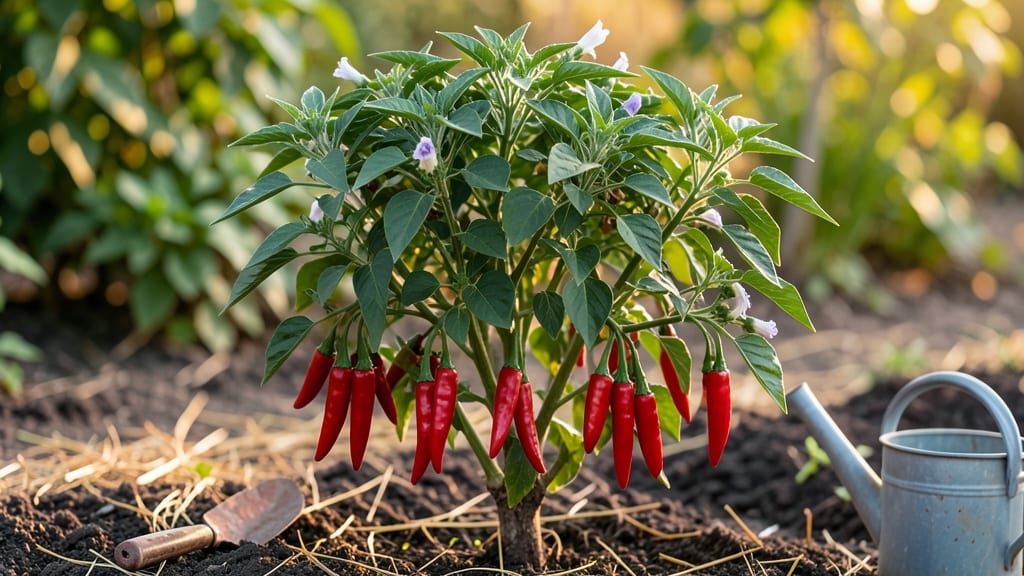
Growing cayenne peppers from seed to spice rack is the most rewarding way to turn your garden into a firehouse of flavor. 🌶️ I’ve grown cayennes for years, and the key isn’t just heat—it’s consistency.
These peppers demand warmth, patience, and just the right balance of sun and water to deliver that signature kick every time. The payoff? Fresh, homegrown cayenne that outshines store-bought in both heat and quality.
Start with the right variety—whether it’s the compact ‘TAM Mild’ for containers or the classic ‘Cayenne’ for in-ground plots—and give them 6-8 hours of direct sun daily. Soil should be well-draining, slightly acidic, and rich in compost.
Containers work great if you’re short on space, but in-ground plants thrive when spaced 18-24 inches apart. The trick is keeping the soil moist but not soggy, especially as fruits form, to avoid blossom end rot.
By late summer, you’ll be harvesting peppers that pack 30,000-50,000 Scoville units of heat, depending on the variety. The first harvests are always the sweetest—literally and figuratively. Dry them for flakes, freeze them whole, or use them fresh in dishes.
Just don’t expect instant gratification; cayennes take 70-90 days to mature, but the wait is worth every fiery bite.
Troubleshooting is half the fun. Yellow leaves? Too much water. Stunted growth? Not enough sun. And if your peppers crack, it’s a sign they’re thirsty. With a little attention, you’ll turn common issues into learning moments—and end up with a harvest that’s the talk of the neighborhood.
Ready to grow your own heat?
📚 In This Guide
- What you need
- Instructions
- Tips and common mistakes
- Wrapping up and next steps
What you need
- ● Cayenne pepper seeds or seedlings: Choose Capsicum annuum varieties like ‘TAM Mild,’ ‘Jalapeño M,’ or ‘Carolina Cayenne.’ Start with 3–5 plants for a small harvest.
- ● Well-draining potting mix: A blend of 60% peat or coco coir, 30% perlite or vermiculite, and 10% compost (or a pre-mixed vegetable/container mix). Avoid heavy garden soil!
- ● Containers (if not planting in ground): 5-gallon pots or larger (minimum 12–18 inches deep with drainage holes).
- ○ Fabric grow bags (optional, for better aeration).
- ● Fertilizer: Balanced organic fertilizer (e.g., 5-5-5 or 10-10-10) for planting.
- ● High-phosphorus fertilizer (e.g., 10-20-10) when flowers appear to boost fruiting.
- ● Garden trowel or transplanting spade (for digging holes or repotting).
- ● Pruning shears (sterilized with rubbing alcohol) for trimming leggy growth.
- ● pH test kit (ideal soil pH: 6.0–6.8).
- ● Watering can or hose with adjustable nozzle (avoid wetting leaves to prevent disease).
- ○ Glove (optional but recommended—cayenne peppers pack a punch! 🌶️).
- ● Sunlight: 6–8+ hours of direct sun daily (south-facing windows or grow lights for indoors).
- ● Temperature: Daytime: 70–90°F (ideal for fruiting).
- ● Nighttime: Above 55°F (cayennes are frost-sensitive!).
- ● Humidity: 40–80% (use a humidifier indoors or pebble trays if air is dry).
- ● Cage or trellis (for indeterminate varieties that grow tall).
- ● Shade cloth (30–50% coverage for hot climates to prevent sunburn).
- ● Drip irrigation system (for consistent moisture without overwatering).
- ● Compost tea or fish emulsion (for a nutrient boost mid-season).
Step-by-step instructions for growing cayenne peppers
Here's how to cultivate fiery cayenne peppers from seed to harvest with precision.
🌱 Step 1: Start Seeds Indoors with Warmth and Humidity
Fill 2-inch deep seed-starting trays with moistened seed-starting mix (never garden soil—it's too dense). Plant cayenne seeds ¼ inch deep, spacing them 1 inch apart in rows. These seeds need warmth to germinate, so place the tray on a seedling heat mat set to 75-85°F. Cover with clear plastic wrap to trap humidity and prevent moisture loss.
Keep the tray in indirect light until sprouts appear, which typically takes 7-14 days. The plastic wrap creates a mini greenhouse effect, but check daily for condensation—remove it immediately if water droplets form to prevent fungal growth. Once seedlings emerge, uncover them and move to a bright spot with 12-14 hours of light daily.
☀️ Step 2: Transplant Seedlings to Larger Pots
When seedlings develop their second set of true leaves (the first pair are cotyledons), transplant them into 4-inch pots filled with well-draining potting mix. Gently loosen the roots before placing them in the new pots to encourage spreading. Cayennes thrive in heat, so maintain soil temperatures at 70°F or warmer—a south-facing windowsill or grow light works well.
Water the pots thoroughly after transplanting, but avoid soggy soil. Cayenne peppers hate wet feet, so ensure each pot has drainage holes. Fertilize lightly with a balanced liquid fertilizer (10-10-10) at half-strength once the plants show new growth. This step builds strong roots before they’re ready for the garden or larger containers.
🪴 Step 3: Harden Off and Transition to Containers or Garden
Two weeks before your last frost date, begin hardening off seedlings by placing them outdoors in a sheltered spot for 1-2 hours daily. Gradually increase exposure over 7-10 days, ending with full sun. Cayennes need full sun (6-8 hours daily) to produce heat, so choose a location with intense light.
For container growing, move hardened-off seedlings into 5-gallon pots with fresh potting mix. Bury stems slightly deeper than before to stabilize the plant. In the garden, space plants 18-24 inches apart in well-draining soil amended with compost. Mulch around the base to retain moisture and regulate soil temperature—cayennes despise cold roots.
💧 Step 4: Maintain Heat, Water, and Fertility
Water cayenne plants at the soil level, keeping the top 1-2 inches dry between waterings. Overhead watering spreads disease, so use a drip irrigation system or watering can with a narrow spout. Fertilize every 2-3 weeks with a high-phosphorus fertilizer (like 5-10-5) to encourage flowering and fruit set. You’ll know you’re on track when plants produce white flowers within 6-8 weeks of transplanting.
Prune suckers (the shoots that form in the joint between the stem and branches) to direct energy into fruit production. Remove any yellow or diseased leaves immediately—cayennes are susceptible to bacterial spot and powdery mildew in humid conditions. A fan on low can improve air circulation and prevent fungal issues.
✂️ Step 5: Harvest and Encourage Prolific Growth
Cayenne peppers mature in 75-90 days from transplant, but you can start harvesting when pods reach 3-4 inches longg> and turn red (or green if you prefer milder heat). Use pruning shears to snip stems just above a leaf node to encourage bushier growth. The more you harvest, the more the plant produces—this is how you get a continuous supply of fiery peppers.
To extend the season, bring potted cayennes indoors before frost and place them under grow lights for 12-14 hours daily. Reduce watering slightly in fall to signal dormancy, but keep soil lightly moist. With proper care, your cayenne plants can keep producing peppers well into winter, giving you bold, year-round spice.
Tips & tricks for perfect cayenne pepper cultivation
Mastering cayenne pepper gardening isn't just about patience—it's about precision in every step. Here's how to elevate your fiery harvest from good to spectacular.
The Heat Factor: Maintain that 75-85°F soil temperature during germination—any cooler and your seeds may never sprout. I've seen cayenne seeds take 21 days to germinate when kept at 65°F instead of the ideal range. The heat mat isn't just helpful; it's essential for breaking dormancy in these tropical plants.
Lighting Secret: Those 12-14 hours of light daily after germination are non-negotiable for strong seedlings. If your natural light isn't sufficient, supplement with LED grow lights positioned 6 inches above the seedlings. I've noticed seedlings grown under inadequate light develop leggy stems that struggle to support fruit later.
Transplanting Technique: When moving to 4-inch pots in Step 2, bury the stems slightly deeper than before—this creates a stronger root system at the buried portion. The 70°F minimum soil temperature is critical here too; cooler roots will stunt growth. I always pre-warm my pots by placing them on the heat mat for an hour before transplanting.
Watering Wisdom: The 1-2 inches dry rule between waterings prevents both root rot and blossom-end rot. I use a moisture meter to check soil moisture—when it reads 40% dryness, that's my cue to water. Overhead watering is the fastest way to invite fungal diseases to your cayenne plants, so invest in a drip irrigation system if you're growing multiple plants.
Pro Tips for Cayenne Pepper Gardening
- Mastering cayenne pepper gardening isn't just about patience—it's about precision in every step. Here's how to elevat...
- The Heat Factor: Maintain that 75-85°F soil temperature during germination—any cooler and your seeds may never sprout...
- Lighting Secret: Those 12-14 hours of light daily after germination are non-negotiable for strong seedlings. If your ...
Frequently asked questions
Got questions about growing cayenne peppers? You’re not alone!
Here are answers to the most common queries from gardeners—whether you're a first-timer or a seasoned spice enthusiast.
When is the best time to plant cayenne peppers?
Cayenne peppers thrive in warm soil (at least 60°F/15°C) and need 60–90 frost-free days to mature. Start seeds indoors 8–10 weeks before the last frost, or sow directly in the ground after all danger of frost has passed. In warmer climates (zones 8–11), you can plant in early spring or even fall for a second harvest!
How do I prevent my cayenne peppers from turning bitter?
Bitter flavors often stem from overwatering, poor drainage, or heat stress. Ensure your plants get full sun (6+ hours/day) and well-draining soil. Avoid wetting the leaves (water at the base), and harvest peppers before they fully ripen if you prefer milder heat. Drought stress can also boost capsaicin—so keep soil consistently moist but not soggy!
Can I grow cayenne peppers in containers?
Cayennes adapt well to containers if they get at least 5-gallon pots (bigger = better for bushier plants). Use a lightweight potting mix with perlite for drainage, and place pots in a sunny spot. Just ensure containers have drainage holes to prevent root rot—container-grown cayennes can be just as productive as in-ground plants!
How do I overwinter cayenne pepper plants?
Cayennes are annuals, but you can save seeds or try overwintering in mild climates. If frost threatens, harvest remaining peppers and let plants die back. In zones 9–11, move potted cayennes indoors near a sunny window or under grow lights. Prune heavily, reduce watering, and expect slower growth until spring. Save seeds from your best peppers for next year!
What can I do if my cayenne plants get pests like aphids or spider mites?
Pests love cayennes, but you can fight back naturally! Spray plants with a mix of 1 tsp mild dish soap + 1 quart water to deter soft-bodied bugs. Introduce beneficial insects like ladybugs or lacewings. For spider mites, hose plants down daily to disrupt webs. If infestations persist, try neem oil (follow label instructions). Healthy plants with good airflow resist pests better!
Wrapping up and next steps
Growing your own cayenne peppers is a rewarding journey that combines patience, passion, and a little fiery creativity! 🌶️ From selecting the right variety to mastering pruning and pest control, each step brings you closer to a bold, homegrown harvest that’ll spice up your meals—and maybe even impress your neighbors.
With these hot harvest hacks, you’re well on your way to becoming a cayenne-growing pro.
Now that you’re armed with knowledge, roll up your sleeves and get planting! Start small, experiment with flavors, and don’t forget to share your successes (or funny mishaps) with fellow gardeners. Happy growing—and may your peppers be plentiful and potent! 🌱✨