
Advice
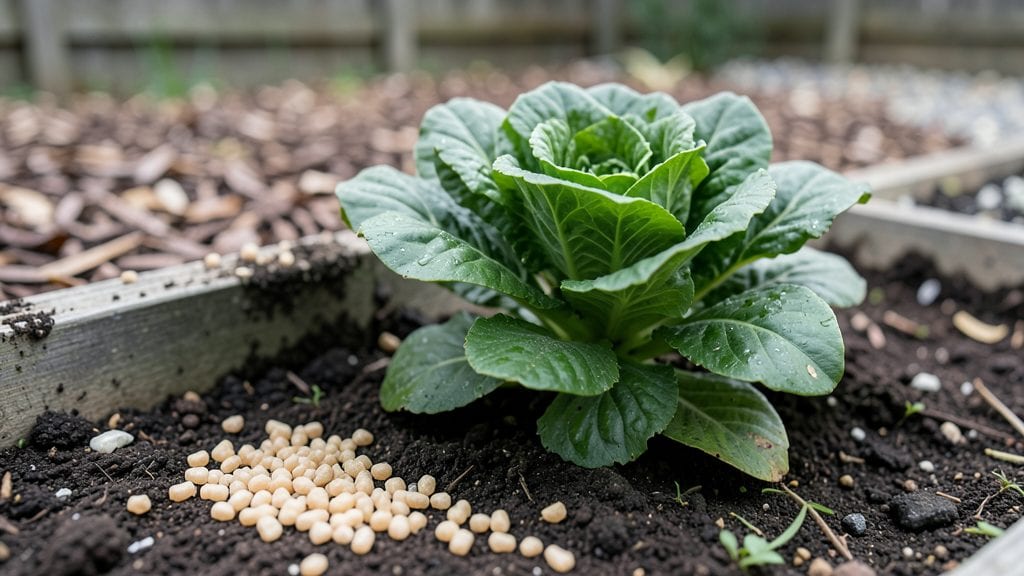
You can put Preen in a vegetable garden safely for mature edible plants, as it effectively controls weeds without harming established crops. Just avoid applying it near seedlings or young plants, and always verify the label for vegetable-specific compatibility.
Preen works by creating a protective barrier on soil that prevents weed seeds from germinating, using a blend of natural and synthetic ingredients like corn gluten and fatty acids. 🌱 This means your vegetables can grow undisturbed while weeds stay at bay, but the active ingredients need time to settle—usually 2-4 weeks—before planting anything new in treated areas.
The product breaks down over time, so it won’t linger in the soil indefinitely, but it’s still wise to keep it away from root crops like carrots or potatoes, where residue might be consumed.
For gardeners who prefer organic methods, Preen offers a middle-ground solution—it’s not fully synthetic but isn’t certified organic either. If you’re growing delicate greens like lettuce or herbs, consider spot-treating only the edges of your garden beds to minimize exposure.
Always follow the application rate on the label, and water the area lightly afterward to help the product bond properly with the soil.
💡 In This Article
- How Preen Affects Vegetable Growth and Soil Health
- Best Practices for Using Preen Around Vegetables
How Preen affects vegetable growth and soil health
Preen works primarily through a dual-action mechanism: it contains corn gluten meal (a natural byproduct of corn processing) and synthetic fatty acids that create a protective barrier on the soil surface.
The corn gluten disrupts weed seed germination by interfering with cellular processes, while the fatty acids form a water-repellent film that blocks sunlight from reaching weed seeds.
This combination is particularly effective against annual weeds, which rely on seed germination for new growth each season. 🔥 The product’s active ingredients break down over time, typically within 3-6 months, depending on environmental conditions like moisture and temperature.
The chemical composition of Preen is designed to be selective—it targets weeds without harming established plants because mature vegetables have thicker cell walls and more developed root systems. However, the fatty acids can temporarily alter soil surface tension, which might slightly reduce water absorption near the application area.
For most vegetables, this effect is minimal, but for shallow-rooted crops like lettuce or radishes, you might notice slightly drier soil immediately after application. The corn gluten component also provides a mild nitrogen boost as it decomposes, contributing about 0.5-1.0% nitrogen to the soil over time.
One common concern is whether Preen disrupts beneficial soil organisms. Research shows that while it can temporarily reduce microbial activity at the soil surface (where it forms the barrier), deeper soil layers and beneficial fungi like mycorrhizae remain largely unaffected.
Earthworms, which play a crucial role in aerating soil, may avoid treated areas initially but typically return once the product breaks down.
The fatty acids don’t persist long enough to cause lasting harm to soil structure or organic matter decomposition, though heavy or clay-based soils may retain residues slightly longer due to reduced microbial activity.
For vegetable gardeners, the key advantage is that Preen offers pre-emergent weed control without the need for repeated applications, unlike organic mulches that require replenishing. However, it’s not a complete solution—perennial weeds like dandelions or bindweed may still emerge from existing roots.
The product’s safety for edible plants comes from its selective action: it doesn’t translocate into plant tissues, so there’s no risk of chemical uptake by vegetables.
That said, always wait at least 2 weeks after application before harvesting leafy greens from treated areas to ensure any potential surface residue is fully broken down.
Long-term soil health benefits include reduced competition for nutrients and water, which can improve vegetable yields by 10-20% in well-managed gardens. The corn gluten also encourages beneficial soil bacteria as it decomposes, though this effect is subtle compared to dedicated organic amendments.
For organic gardeners, Preen represents a practical compromise—it’s not OMRI-listed (so not certified organic), but its environmental impact is far lower than synthetic herbicides like glyphosate. The trade-off is minimal disruption to soil ecology when used responsibly.
What most gardeners don’t realize is that Preen’s effectiveness depends heavily on proper application timing. Applying it after weeds have already sprouted won’t kill existing weeds—it only prevents new ones from germinating.
This makes it ideal for spring pre-planting or fall soil preparation when weed seeds are dormant but ready to sprout with warmer temperatures. For container gardens or raised beds, the product’s concentrated formulation means you’ll need less (1-2 tablespoons per square foot) compared to in-ground applications.