
Tools
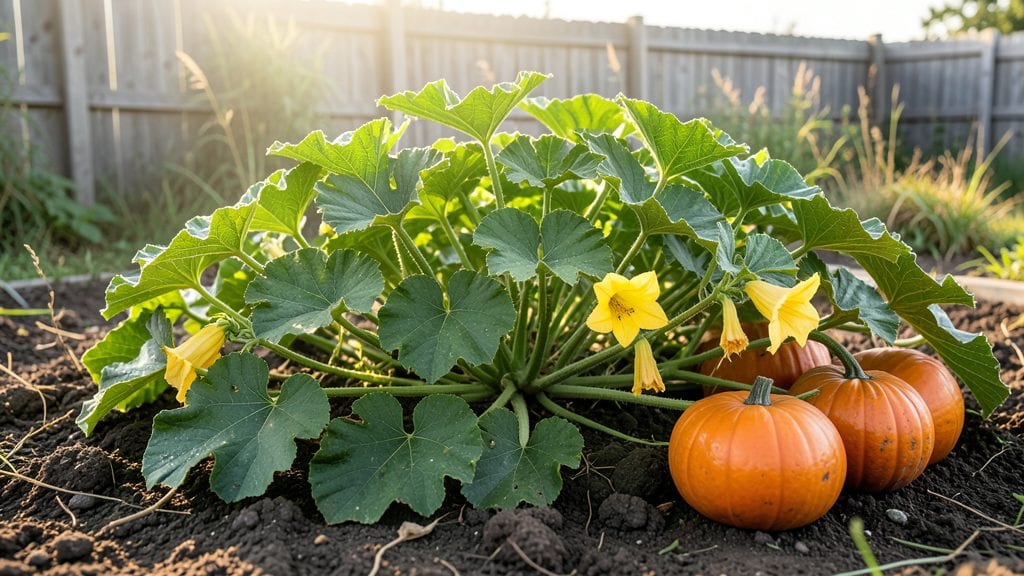
My pumpkins in a square foot garden proved that big harvests don’t need big spaces. 🌱 Last October, I grew enough for pies, carving, and sharing after fitting them into just 1 square foot—using the right varieties and a few clever tricks.
The key isn’t forcing giant pumpkins into tiny plots; it’s choosing compact types and managing those sprawling vines like a pro.
You’ll need bush-type pumpkins like ‘Jack Be Little’ or ‘Minnesota Midget,’ which stay under 10 pounds but pack big flavor. Each plant gets its own square foot, with trellises or cages to corral vines.
Companion plants like bush beans or radishes in the same square keep pests away while maximizing every inch. The biggest challenge? Keeping vines contained without strangling the plant—this is where sturdy supports and regular pruning save the day.
By mid-September, you’ll have pumpkins ready for harvest, their orange glow filling your garden like a fall postcard. The real magic? You’ll save space for other crops, too—this setup lets me grow pumpkins alongside lettuce, herbs, and even a few tomatoes without crowding.
It’s not about sacrificing yield; it’s about growing smarter, not bigger.
Works for urban balconies, small backyards, or even container gardens with the right dwarf varieties. Whether you’re carving jack-o’-lanterns or baking spice cakes, this method turns a tiny plot into a pumpkin powerhouse. Let’s get those vines climbing!
📚 In This Guide
- What you need
- Instructions
- Tips and common mistakes
- Wrapping up and next steps
What you need
- ● Square Foot Garden Box (at least 4 sq ft per pumpkin plant; 16 sq ft total for 4 plants): Wooden frame (cedar or untreated lumber, 8–12" deep)
- ● Hardware cloth (for bottom protection against burrowing pests)
- ● High-Quality Soil Mix (1 cubic foot per square foot): 50% compost (worm castings or aged manure)
- ● 25% coconut coir or peat moss
- ● 25% perlite or vermiculite (for drainage)
- ● Pumpkin Seeds (choose compact varieties like Jack Be Little or Baby Boo): 4–6 seeds per 16 sq ft box (thin to 1–2 strongest plants)
- ● Garden Gloves (durable, nitrile-coated for grip)
- ● Hand Trowel (for planting and soil adjustments)
- ● Watering Can or Drip Irrigation Kit (with adjustable nozzle for gentle watering)
- ● Organic Fertilizer (balanced, like 5-5-5 or compost tea)
- ● Mulch (straw or shredded leaves, 2–3 inches thick)
- ● Trellis or Cage (for vining varieties like Sugar Pie; 4–6 ft tall)
- ● Row Cover or Shade Cloth (30–50% shade for seedlings)
- ● pH Test Kit (ideal range: 6.0–6.8)
- ● Pruning Shears (for managing vines)
- ● Garden Journal (to track progress and notes)
Step-by-Step instructions for growing pumpkins in a square foot garden
Here’s how to turn a tiny space into a pumpkin patch—no backyard required.
🌱 Step 1: Plan Your Square Foot Layout
Pumpkins need space, but with the right layout, you can grow 4 healthy vines in just 1 square foot. Start by dividing your square into 4 equal sections, each about 6 inches apart. This spacing prevents overcrowding and lets vines spread without competing for sunlight.
I always sketch my layout first—mark each section with a toothpick to visualize where each plant will go. The center of the square stays empty to allow airflow and prevent disease. If your square is larger, add 1 extra section per additional square foot.
🪴 Step 2: Prepare the Soil Mix
Pumpkins thrive in rich, well-draining soil. Mix 1 part compost and 1 part potting mix in each section to create a loose, nutrient-dense base. Avoid garden soil—it compacts too easily and can harbor pests. Fluff the mix with your fingers until it’s airy but holds shape when squeezed.
Add a handful of worm castings to each section for extra nutrients. This isn’t just about feeding the plants—it’s about setting them up for strong root growth right from the start. Water the mix lightly before planting to settle it without creating mud.
☀️ Step 3: Plant Seeds at the Right Depth
Plant 2-3 seeds per section, burying them just 1 inch deep. Pumpkin seeds germinate best in warm soil—aim for 70-80°F. If your space is chilly, use a heat mat or wait until nighttime temperatures stay above 60°F.
After planting, cover the seeds with a thin layer of mulch to retain moisture and warmth. Keep the soil consistently damp (not soggy) until sprouts appear in 7-14 days. Thin to the strongest seedling per section once they’re 2 inches tall—gently snip the extras at soil level to avoid disturbing roots.
💧 Step 4: Train Vines and Manage Water
Pumpkin vines grow fast, so guide them early. Use small stakes or trellis frames to lift vines off the ground, keeping fruit clean and reducing rot risk. Water at the base deeply 2-3 times per week, aiming for 1 gallon per plant when soil feels dry 2 inches down.
Here’s the trick: water in the morning so foliage dries by evening. Wet leaves at night invite fungal diseases like powdery mildew. You’ll know you’re doing it right when vines spread steadily and leaves stay deep green with no yellowing.
✂️ Step 5: Prune and Harvest for Maximum Yield
Once vines hit 6 feet long, prune side shoots to focus energy on fruit production. Remove any leaves touching the ground to prevent soil-borne diseases. When pumpkins reach 6-8 inches in diameter, stop watering them—this concentrates sugars for sweeter flesh.
Harvest when the stem near the fruit turns brown and hard. Twist gently to detach—don’t cut. Cure pumpkins in a sunny spot for 7-10 days to harden their skins. Store in a cool, dry place for months.
Tips & tricks for perfect square foot pumpkin gardens
These game-changing strategies will help you squeeze maximum pumpkin production from your smallest garden space.
Layout Precision: In Step 1, when dividing your square into 4 sections, use a ruler to measure the exact 6-inch spacing between plants. I've found that even small variations can lead to overcrowding as vines mature. For extra precision, draw your sections with chalk before planting—this prevents guesswork and ensures each vine gets equal growing room. The center space is crucial for airflow, so don't be tempted to fill it even if you're eager to maximize plant count.
Soil Temperature Secret: The 70-80°F soil temperature range mentioned in Step 3 is non-negotiable for germination. If your space runs cooler, invest in a small heat mat ($15-20) for just the planting period—it's worth it to avoid the 7-14 day wait for sprouts. I've seen germination times cut in half with proper soil warming. For nighttime temps below 60°F, consider using black plastic mulch to absorb daytime heat and radiate it back at night.
Thinning Technique: When thinning to the strongest seedling in Step 3, wait until they're exactly 2 inches tall—no earlier. Younger seedlings are more delicate, and you risk damaging the remaining plant's roots. Use clean, sharp scissors to snip at soil level rather than pulling, which can uproot your chosen seedling. This might seem like a small detail, but it makes a noticeable difference in plant vigor.
Watering Wisdom: The 2-3 times per week watering schedule in Step 4 works best when you check soil moisture at the 2-inch depth mentioned. I've learned the hard way that surface moisture doesn't tell the full story—stick your finger in to feel the true dryness. For consistent results, use a watering can with a long spout to deliver water precisely at the base without wetting leaves, which helps prevent those dreaded fungal diseases.
Pro Tips for Pumpkins Square Foot Garden
- These game-changing strategies will help you squeeze maximum pumpkin production from your smallest garden space.
- Layout Precision: In Step 1, when dividing your square into 4 sections, use a ruler to measure the exact 6-inch spacing between plants.
- Soil Temperature Secret: The 70-80°F soil temperature range mentioned in Step 3 is non-negotiable for germination.
Frequently asked questions
Got questions about growing pumpkins in a square foot garden? You're not alone! Here are some of the most common concerns—and their solutions—to help you crush your harvest in even the smallest space.
How close can pumpkin vines be planted in a square foot?
For small pumpkins (like Jack Be Little or Sugar Pie), plant 1 vine per square foot with 2-3 seeds per hill. Larger varieties (e.g., Howden) need 1 vine per 2-3 square feet—space them out to avoid crowding. Thin to the strongest vine after germination to prevent competition.
When is the best time to plant pumpkins in a square foot garden?
Start seeds indoors 2-3 weeks before your last frost date (they need warmth!) or direct-sow after soil reaches 60°F+ and nighttime temps stay above 50°F. In short seasons, opt for fast-maturing varieties (50-60 days) like Cinderella or Autumn Gold.
What if my pumpkins don’t grow big in a square foot garden?
Small spaces limit size, but you can still get beautiful mini pumpkins! Use container-friendly varieties and prune vines to focus energy on fruit. Add compost tea or fish emulsion for a nutrient boost. If vines sprawl too much, train them up a trellis (yes, pumpkins can climb!).
Can I grow pumpkins alongside other veggies in a square foot garden?
Pumpkins are heavy feeders, so pair them with light eaters like bush beans, radishes, or lettuce in the same square. Avoid planting near potatoes, squash, or cucumbers to prevent disease spread. Use companion planting—try marigolds or nasturtiums to deter pests!
How do I protect pumpkins from pests in a small garden?
Pumpkins attract squash bugs and deer, but don’t worry—prevention works! Use row covers early in the season, handpick pests, or spray with neem oil. For deer, fence with 8-foot tall netting or use hot pepper spray. Crop rotation also helps break pest cycles in tight spaces.
Wrapping up and next steps
Growing pumpkins in a square foot garden proves that big harvests don’t require big spaces! With the right planning—like choosing compact varieties, optimizing sunlight, and mastering companion planting—you can enjoy jacket pumpkins, pie pumpkins, or even mini gourds right on your balcony or patio. 🎃
Ready to dive in? Start small with a 4’x4’ plot, gather your tools, and let your green thumb shine. Plant your first seeds this season—your future pumpkin patch awaits!