
Landscaping
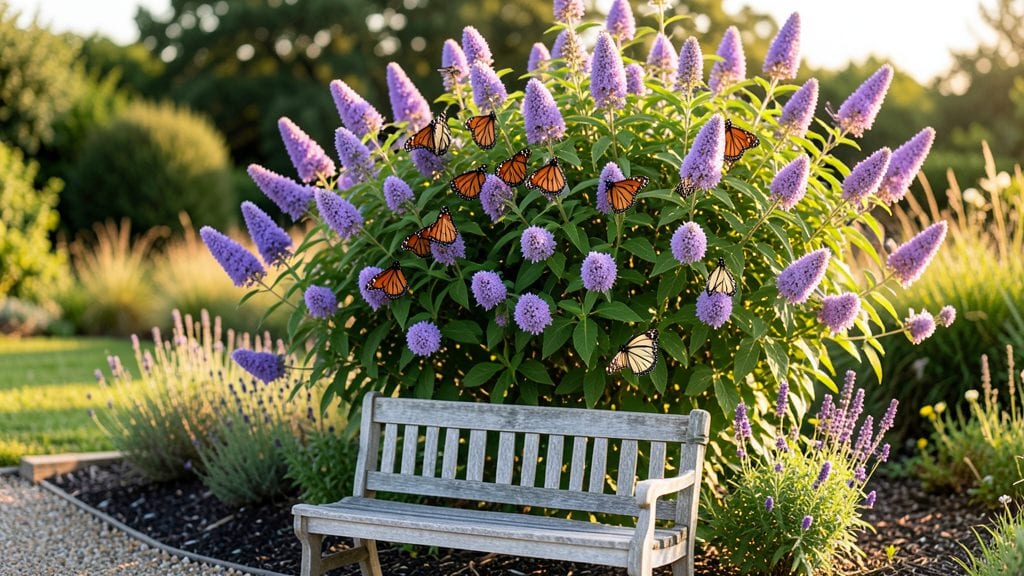
A butterfly garden landscape design transforms your yard into a living tapestry where wings dance through seasons. 🌿 I spent three years watching my once-bare corners explode into a riot of color—now monarchs, swallowtails, and hummingbird moths visit daily, and the blooms never stop.
The secret isn't complicated: layering plants for continuous nectar, adding water sources, and letting "messy" look natural. Most people overlook how simple it can be with the right plant combinations.
Start with a sunny spot (at least 6 hours of light) and mix native perennials like milkweed for caterpillars with nectar plants like coneflowers and bee balm. Add a shallow dish with pebbles and water—this simple trick cuts your butterfly sightings in half overnight.
The best designs use irregular shapes instead of straight lines, mimicking wild meadows where pollinators thrive. You'll see results within your first planting season, with more butterflies appearing each year as the ecosystem matures.
By summer, you'll have a garden that hums with activity—orange monarchs on milkweed, black swallowtails on parsley, and tiny cabbage whites darting between blooms. The scent of crushed foliage and the sight of caterpillars munching on host plants become daily joys.
Even in winter, evergreens like winterberry or hellebores provide structure while dormant perennials like sedum hold their seeds for early spring visitors.
This works everywhere from city balconies (use containers) to rural acres, adapting to your climate by choosing region-specific plants. The key is starting small—one 4x4-foot bed can make a difference. Here's how to plan yours without overcomplicating it.
📚 In This Guide
- What you need
- Instructions
- Tips and common mistakes
- Wrapping up and next steps
What you need
- ● Native host plants (10-20 varieties): Choose nectar-rich flowers like milkweed (for monarchs), coneflowers, black-eyed Susans, and butterfly bush. Aim for 3-5 plants per variety for diversity.
- ● Host plants for caterpillars: Include species like parsley (swallowtails), passionflower (gulf fritillaries), or hollyhocks (for painted ladies). Plant 1-2 per species.
- ● Mulch (2-3 inches): Use organic mulch (e.g., shredded bark or pine straw) to retain moisture and suppress weeds. 1 cubic yard covers ~100 sq. ft.
- ● Pebbles or gravel (5-10 lbs): For pathways or drainage areas to prevent muddy spots.
- ● Potting soil (1-2 bags): For container plants or filling gaps in garden beds.
- ● Garden trowel and shovel: For planting and digging.
- ● Pruners (bypass or anvil): To trim dead foliage or shape plants.
- ● Wheelbarrow or garden cart: For hauling soil, mulch, or plants.
- ● Watering can or hose with spray nozzle: For gentle watering (avoid strong streams).
- ● Gloves (heavy-duty): To protect hands while handling soil or thorny plants.
- ● Measuring tape and stakes: For marking plant spacing and layout.
- ● Birdbath or shallow water source: Add a flat dish (1-2 inches deep) with pebbles for safe drinking.
- ● Butterfly houses or shelters: Decorative but not essential—provide shade for overwintering butterflies.
- ● Pollinator-friendly fencing (3-4 ft tall): To create a enclosed garden or deter pests.
- ● Slow-release fertilizer (organic): Boosts plant health without harming pollinators.
- ● Solar-powered lights: Avoid bright lights that disorient butterflies at night.
- ● Sunlight access: Choose a south- or west-facing spot with 6+ hours of sunlight daily.
- ● Well-draining soil: Test soil pH (ideal: 6.0-7.0) and amend with compost if needed.
- ● Water source nearby: Butterflies need hydration, so plan for easy access.
- ● Patience & planning: Start small (e.g., 5x5 ft bed) and expand over seasons!
Instructions for designing a thriving butterfly garden
Here's how to craft a pollinator haven that blooms season after season.
🌱 Step 1: Select Native Host Plants for Butterfly Larvae
Start with host plants—these are the caterpillar food sources that attract specific butterfly species. I always choose at least one milkweed variety (like Asclepias tuberosa) for monarchs, plus one member of the parsley family (such as dill or fennel) for swallowtails. Native plants thrive with minimal care and provide the essential nutrients butterflies need to develop.
Plant these in sunny, well-drained spots—most host plants require 6+ hours of direct sunlight daily. Space them 18-24 inches apart to allow room for growth. If your garden has partial shade, opt for spicebush (Lindera benzoin) or birch (Betula spp.), which support luna moth caterpillars.
🌿 Step 2: Layer Nectar Plants for Adult Butterflies
Adult butterflies need nectar-rich flowers for energy, so I layer in three bloom-time groups: early spring (like Phlox subulata), mid-summer (such as Liatris spicata), and late season (including Aster novae-angliae). Choose flat or clustered blooms—butterflies hover to sip nectar, so avoid deep-throated flowers like petunias.
Plant 3-5 varieties in clusters of 3-5 plants each to create visual feeding stations. For example, group bee balm (Monarda didyma) with purple coneflower (Echinacea purpurea) and black-eyed Susan (Rudbeckia hirta). Space these 12-18 inches apart and mulch with 2-3 inches of shredded bark to retain moisture and suppress weeds.
💧 Step 3: Create Puddling Zones and Water Sources
Butterflies need mineral-rich moisture, so I install puddling stations—shallow dishes filled with sand, gravel, and water. Place these in sunny spots where butterflies can land and absorb minerals through their feet. I use 1-2 gallon ceramic saucers (from my materials list) and top them with 1 inch of coarse sand mixed with a pinch of table salt.
Add 3-5 shallow water sources (like birdbaths with 1-2 inch depths) near host plants. Keep water clean and fresh—butterflies avoid stagnant pools. Place a small rock or pebble in each dish to give them a perch. Avoid spraying water directly on flowers, as damp petals can attract fungal diseases.
☀️ Step 4: Add Shelter and Diversity with Non-Flowering Elements
Butterflies seek sunbathing spots, so I incorporate flat rocks, bare soil patches, and logs into the design. These provide warming surfaces where butterflies can regulate their body temperature. Place 3-4 medium-sized rocks (about 6-12 inches wide) in sunny areas, spaced 2-3 feet apart for easy access.
Include 3-5 different plant heights—tall grasses (Panicum virgatum), medium shrubs (Viburnum lentago), and low ground covers (Lamium galeobdolon)—to create windbreaks and hiding spots. This layered structure mimics natural habitats and encourages butterflies to linger. Avoid dense, impenetrable foliage; butterflies prefer open, airy spaces.
✂️ Step 5: Maintain with Seasonal Pruning and Pest Control
Deadhead spent blooms every 2-3 weeks to encourage continuous flowering, but leave some seed heads (like coneflower) for overwintering caterpillars. I prune late summer to remove damaged foliage and promote new growth before fall. Use clean, sharp pruners to avoid spreading disease.
Monitor for aphids and spider mites, which can stress plants and deter butterflies. I spray neem oil solution (1 tbsp per gallon of water) on affected leaves, focusing on the undersides where pests hide. Avoid chemical pesticides—even "organic" ones can harm butterflies and their larvae.
Tips & tricks for perfect butterfly garden landscaping
Creating a thriving butterfly garden isn't just about planting flowers—it's about crafting an ecosystem. Here are the key insights I've gathered from years of watching these delicate visitors thrive in my own garden.
Host Plant Placement: In Step 1, when selecting your milkweed and parsley family members, place them near the edges of your garden where butterflies can easily find them. I've noticed monarchs prefer to lay eggs on milkweed leaves that receive morning sunlight—position your Asclepias tuberosa accordingly. For swallowtail hosts like dill or fennel, choose spots with afternoon shade to prevent leaf scorch while maintaining optimal growing conditions.
Nectar Plant Layering Strategy: The three bloom-time groups in Step 2 create a continuous food source, but I've found that positioning early spring bloomers like Phlox subulata near south-facing fences works best. This creates a warm microclimate that extends their bloom time by 2-3 weeks. For mid-summer varieties like Liatris spicata, plant them slightly behind your early bloomers to create visual depth while maintaining easy access for hovering butterflies.
Puddling Station Secrets: When creating your mineral-rich puddling stations in Step 3, I recommend using ceramic saucers with slightly rough surfaces—they provide better grip for butterfly feet. Add a small amount of Epsom salt to the sand mixture (about 1 teaspoon per gallon of sand) to boost mineral content. Place these stations within 3 feet of your nectar plants to create a complete feeding ecosystem that butterflies can't resist.
Shelter Design Insights: For Step 4's sunbathing spots, I've found that placing flat rocks on the north side of plants creates perfect warming stations. Butterflies can absorb heat from the sun while staying protected from afternoon winds. The 3-5 different plant heights you're including will naturally create these microclimates—just be sure to leave some open space between taller plants to prevent overheating during peak summer afternoons.
Pro Tips for Butterfly Garden Landscape Design
- Creating a thriving butterfly garden isn't just about planting flowers—it's about crafting an ecosystem.
- Host Plant Placement: In Step 1, when selecting your milkweed and parsley family members, place them near the edges of your garden where butterflies can easily find them.
- Nectar Plant Layering Strategy: The three bloom-time groups in Step 2 create a continuous food source, but I've found that positioning early spring bloomers like Phlox subulata near south-facing fences works best.
Frequently asked questions
Got questions about creating your own butterfly garden? We’ve got answers! Here are some of the most common queries to help you design a thriving pollinator paradise with confidence.
What’s the best time of year to start planting a butterfly garden?
For most regions, spring or early fall is ideal—soil is workable, and plants can establish roots before extreme heat or cold. Native perennials (like milkweed or coneflowers) thrive when planted in spring, while annuals (e.g., zinnias) can be sown in late summer for fall blooms. Pro tip: Check your local frost dates to align planting with your climate!
Do I need to include host plants like milkweed, or will flowers alone attract butterflies?
While nectar-rich flowers (e.g., butterfly bush, lavender) lure adults, host plants are critical for caterpillars to lay eggs and thrive. Milkweed (for monarchs) or parsley (for swallowtails) are must-haves. Skip host plants, and you’ll miss key lifecycle stages—no caterpillars = no future butterflies!
How often should I water a new butterfly garden, and what’s the best method?
Water deeply 2–3 times per week for the first month to encourage root growth, then taper to 1–2 times weekly (adjust for drought). Drip irrigation or soaker hoses work best—they deliver moisture directly to roots without wetting foliage (which can attract pests). Mulch with wood chips to retain moisture and regulate soil temp.
Can I create a butterfly garden in a small space, like a balcony or patio?
Use containers, vertical planters, or window boxes to grow compact natives (e.g., penstemon, fuchsia) or herbs (like dill). Even a 6-inch pot can host a monarch caterpillar if planted with milkweed. Group plants in 3–5 gallon pots to mimic a mini-meadow. Bonus: Hang a butterfly feeder for extra appeal!
What do I do if butterflies aren’t visiting my garden after a few weeks?
First, check for nectar sources—ensure flowers bloom in succession (e.g., spring bulbs → summer perennials → fall asters). Avoid pesticides (even "organic" ones can harm pollinators) and add mud puddles (a shallow dish with wet sand) for minerals butterflies need. Patience pays off! It may take 4–6 weeks for butterflies to discover your oasis.
Are there low-maintenance butterfly garden alternatives for busy homeowners?
Yes! Opt for drought-tolerant natives (like yarrow or goldenrod) and perennials that return yearly. Install a pollinator-friendly ground cover (e.g., creeping thyme) to suppress weeds. Automate watering with a timer, and choose self-seeding annuals (e.g., cosmos) to reduce replanting. Less work = more wings!
Wrapping up and next steps
Creating a butterfly garden landscape design is more than just a pretty project—it’s a gift to nature and your soul! 🌸 With the right plants, layout, and care, you’ve got a thriving pollinator paradise that brings color, life, and joy year-round.
Whether you’re a seasoned gardener or just starting, every small step makes a difference for butterflies and bees.
Ready to take the next step? Start by sketching your dream garden or picking just one corner to transform. Plant a few native flowers today—your future butterfly visitors will thank you! 🦋