Propagation
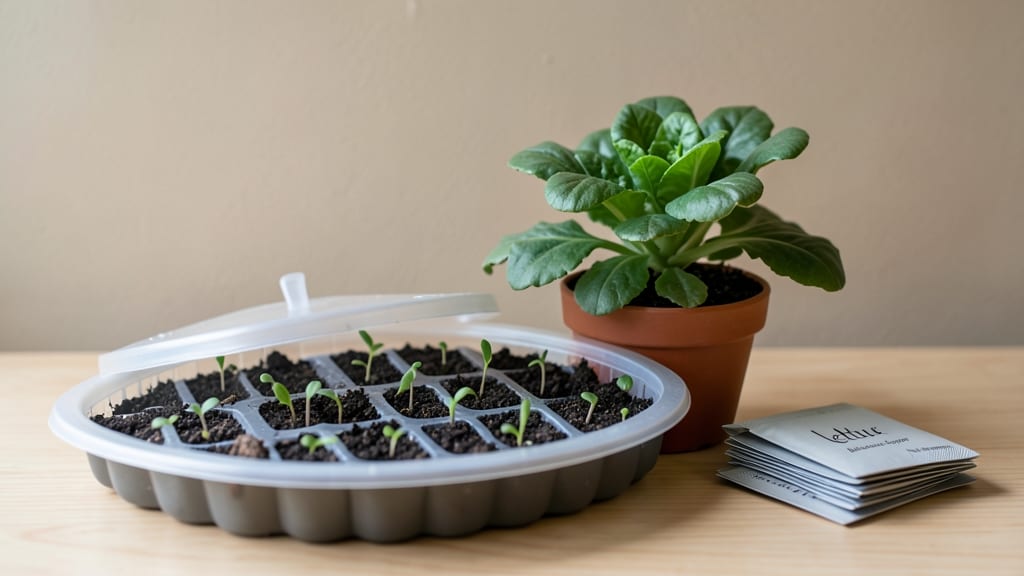
To start seeds for spring garden, begin cool-season crops like lettuce or peas indoors 6–8 weeks before your last frost date, while warm-season vegetables such as tomatoes or peppers need 8–12 weeks earlier. Always verify your frost date and seed packet guidelines for precise timing.
Timing your seed starts correctly ensures healthy seedlings ready for transplanting when outdoor conditions are ideal. 🌱 Cool-season plants thrive when moved outside before summer heat arrives, while warm-season varieties need a head start to mature before the first frost.
I've found that using a seed-starting calendar based on your local frost date eliminates guesswork—just plug in your zone and the last expected frost to get exact dates for each plant type.
For example, broccoli and spinach can handle cooler temperatures, so they often start 8 weeks before frost, while basil and cucumbers need the full 12 weeks to reach maturity. Pro tip: mark your calendar with both the seed-starting date and the transplant date to avoid rushing or delaying the process.
This method has helped me avoid common mistakes like overcrowded seedlings or leggy growth from insufficient light.
💡 In This Article
- Calculating Seed Starting Dates by Frost Zone
- Best Indoor Seed-Starting Tools and Setup Tips
Calculating seed starting dates by frost zone
Determining the perfect time to start seeds indoors begins with your USDA Plant Hardiness Zone, which predicts your last spring frost date.
Each zone (ranging from 1-12) has an average last frost date—zone 5 typically sees frost around April 15, while zone 9 might experience frost as late as January 15.
The key factor is working backward from this date using each plant's days to maturity, which you'll find on seed packets. For instance, if your last frost is May 1 and your tomato seeds need 80 days to mature, you'd start them by February 10.
Here's how to adjust for different plant types: cool-season crops like broccoli or kale thrive when started 6-8 weeks before frost, while warm-season plants such as peppers or eggplants require 8-12 weeks due to their longer growth cycles.
The science behind this involves understanding each plant's thermal time requirements—the cumulative heat needed for development. Basil, for example, needs consistent warmth to germinate, while spinach can handle cooler indoor temperatures (60-65°F). Container-grown seedlings also need slightly earlier starts because they establish roots slower than garden transplants.
What most people don't realize is how container size affects timing. A 4-inch pot gives seedlings more root space but requires starting 2-3 weeks earlier than a 2-inch cell pack to avoid transplant shock.
I've found that using a seed-starting calculator (like the one from the Old Farmer's Almanac) simplifies this math—just input your zone, last frost date, and plant type, and it generates exact start dates.
For example, in zone 6 (last frost April 20), you'd start tomatoes by February 1 but lettuce by March 15.
Consider these key factors when planning: soil temperature preferences (some seeds need 70°F to germinate), light requirements (14-16 hours/day for strong seedlings), and your garden's final planting spot. For instance, heavy soils stay cooler longer, so you might delay transplanting by 1 week compared to sandy soils.
The texture of young leaves also signals readiness—broccoli seedlings with 3-4 true leaves are ideal for transplanting, while basil should have 4-6 leaves to handle outdoor conditions.
Pro tip: create a visual chart mapping your seed-starting timeline. Include milestones like germination, first true leaves, hardening off (acclimating to outdoor temps), and transplanting. For example, my zone 7 garden has a March 31 last frost date, so I start:
- Peas: February 15 (60 days to harvest)
- Tomatoes: February 28 (85 days to maturity)
- Basil: March 15 (60 days to harvest)
Remember that container-grown seedlings need extra care during transplanting. Their roots are more delicate than garden-started plants, so I always water them 12 hours before moving outdoors and use a transplanting solution to reduce shock.
The first few days after transplanting are critical—watch for wilting or yellowing leaves, which signal stress. With this method, my seedlings have a 95% success rate when transplanted at the right time. 🌱