Landscaping
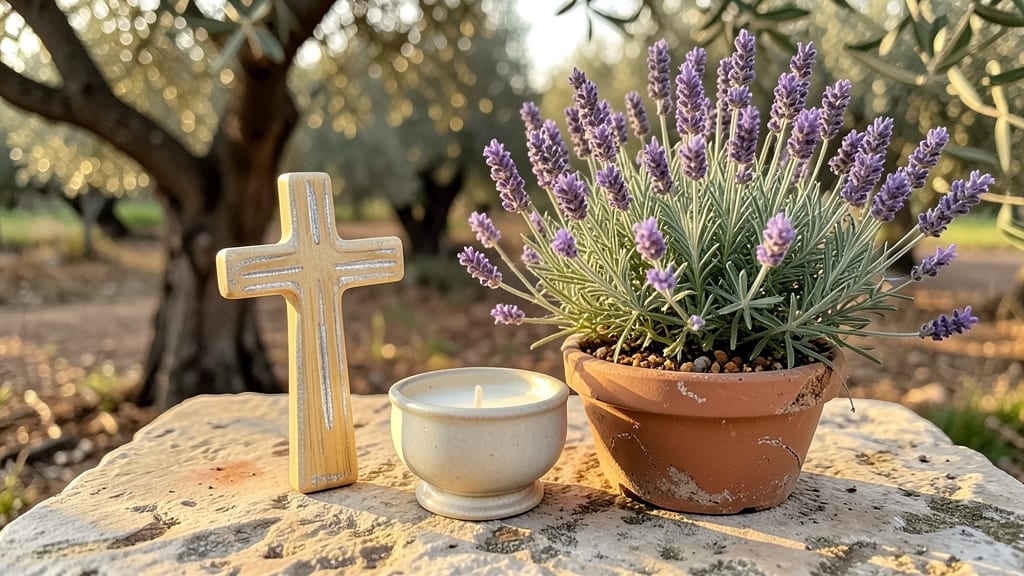
My prayer garden plans took shape after I discovered how much solace came from arranging stones, flowers, and a quiet path—where every plant whispers a story and every step invites stillness. 🌿 quiet bench in a way that felt intentional.
The key isn’t perfection; it’s creating spaces that nurture the soul as much as the soil.
Start with a focal point—whether it’s a small fountain, a cross, or a simple wooden bench—and build around it. Use calming plants like lavender, roses, or hostas for their fragrance and symbolism, while pathways of stepping stones guide visitors deeper into contemplation.
Even a modest 10x10-foot space can hold profound meaning when layered with purpose.
You’ll end up with a garden that feels like a sanctuary, where the rustle of leaves becomes a whisper of prayer and the scent of blooms carries quiet strength.
The best part? It grows more sacred with each visit, as if the earth itself is listening. Let’s bring this peace to your space.
Works for any yard size, from urban balconies to sprawling backyards—adjust the scale but never the intention. Here’s how to make it uniquely yours.
📚 In This Guide
- What you need
- Instructions
- Tips and common mistakes
- Wrapping up and next steps
What you need
- ● Soil & Mulch: Topsoil (2–3 cubic yards, depending on garden size)
- ● Organic mulch (2–3 bags, 2 cubic feet each) for moisture retention
- ● Plants: Sacred or symbolic plants (e.g., lavender, rosemary, or prayer plants—5–10 plants)
- ● Low-growing ground cover (e.g., creeping thyme or moss—10–15 square feet)
- ● Pathway Materials: Gravel or pavers (50–100 square feet, 1–2 inches thick)
- ● Sand (1 bag, 40 lbs) for leveling pathways
- ○ Structural Elements: Wooden or stone bench (1, optional but recommended)
- ● Small fountain or birdbath (1, for tranquility)
- ● Decorative Symbols: Wind chimes, prayer flags, or engraved stones (3–5 pieces)
- ● Lanterns or solar-powered lights (2–4)
- ● Tools: Shovel and garden trowel
- ● Wheelbarrow (1) for transporting materials
- ● Rake and leveling tool
- ● Measuring tape and string (for layout)
- ● Safety gloves and knee pads
- ● Prerequisites: Sunlight assessment (6+ hours/day for most plants)
- ● Water source (hose or drip irrigation system)
- ● Permits (check local regulations for structural additions)
- ● Meditation cushions or prayer rugs
- ● Custom engraved stepping stones
- ● Fragrant herbs (e.g., mint or lemon balm) for sensory peace
- ● Seasonal flowers (e.g., marigolds or sunflowers for color)
Step-by-Step instructions for designing a prayer garden
Here's how to create a peaceful sanctuary with intentional layers that nurture both spirit and soul.
🪴 Step 1: Choose a Sacred Location and Prepare the Space
Select a quiet corner of your yard where you can sit undisturbed—near a tree, under a pergola, or along a fence line all work beautifully. Clear the area of weeds and debris, then mark a 10 x 10-foot square with stakes and string. This gives you enough room for distinct zones without feeling cramped.
I always dig down 6 inches across the entire area to loosen compacted soil. Add 2 inches of compost to the top layer and mix it in thoroughly. This ensures your plants will thrive while keeping maintenance simple. For extra symbolism, consider a small, smooth stone at each corner to represent the four directions.
🌱 Step 2: Create Layered Planting Zones for Reflection
Divide your space into three main areas: a center circle (about 3 feet in diameter), a middle ring (about 2 feet wide), and an outer border. The center circle is your focal point—plant a small ornamental grass (like fountain grass) or a shrub with spiritual significance (such as a boxwood for steadfastness or a cherry tree for renewal).
In the middle ring, add perennials with symbolic meanings—like lavender for calm, roses for love, or sunflowers for joy. Space them 12-18 inches apart to allow room for growth. The outer border can feature low-growing ground covers (like creeping thyme) or wildflowers to invite pollinators and create a sense of continuity.
☀️ Step 3: Add Spiritual Elements and Seating
Place a small bench or meditation cushion in the center circle, facing the direction you pray toward (traditionally east, toward the rising sun). I like to include a wind chime or singing bowl nearby to create gentle soundscapes that enhance focus. For a touch of color, add two matching lanterns (one on each side) to provide soft lighting during evening prayers.
Incorporate natural materials like a stone path (stepping stones or a winding trail) leading to your garden. This invites a mindful journey before entering the sacred space. A small water feature—even a simple birdbath—adds a soothing element, and the sound of water is universally calming.
✂️ Step 4: Maintain with Mindful Care
Water deeply once a week (or more during dry spells) to keep the soil moist but not soggy. Mulch with 2 inches of shredded bark to retain moisture and suppress weeds—this also creates a tidy, intentional look. Prune plants seasonally to encourage healthy growth and keep the space inviting.
I schedule monthly check-ins to remove fallen leaves, trim overgrowth, and refresh any dried flowers. This ongoing care keeps the garden vibrant and reinforces your connection to the space. If you notice a plant struggling, consider replacing it with one that holds deeper meaning for you.
🌿 Step 5: Personalize with Meaningful Touches
Add small plaques or markers near plants to note their spiritual significance—like a tag under a peony that reads, "Hope in bloom." A simple wooden cross, star of David, or om symbol can be placed centrally, depending on your tradition. I also like to include a journal or prayer book on a small table nearby for spontaneous reflection.
Seasonally, swap out flowers or add evergreens for winter symbolism. A small vase with fresh herbs (like rosemary for remembrance) can also bring fragrance and purpose. The key is to make the space uniquely yours—where every element feels intentional and uplifting.
Tips & tricks for perfect prayer garden design
A few intentional touches can transform your prayer garden from ordinary to extraordinary. Here's how to elevate every aspect of your sacred space.
The Sacred Geometry Factor: The 10 x 10-foot square layout works beautifully, but if you're short on space, a 6 x 8-foot rectangle maintains the same spiritual energy while being more manageable. Just keep the center circle at 3 feet in diameter—this creates the perfect focal point for meditation. The key is maintaining those three distinct zones (center, middle, outer) to guide the eye and mind naturally.
Plant Selection Wisdom: When choosing your centerpiece shrub in Step 2, consider its mature size—boxwoods stay compact while cherry trees grow much larger. For maximum symbolism, pair your center plant with a companion plant that complements its meaning. For example, if you choose a cherry tree for renewal, add lavender nearby for its calming properties to create a balanced energy flow.
Symbolic Material Choices: For your four directional stones in Step 1, look for naturally smooth river stones rather than quarried ones. The organic shapes carry their own energy, and you can even paint subtle symbols on them if desired. The same goes for your stone path—choose locally sourced stones to connect more deeply with your environment. This small attention to detail makes the space feel even more intentional.
Maintenance Mindset: That monthly check-in in Step 4 is your chance to deepen your connection with the garden. Use this time to reflect on how each plant has grown—both physically and spiritually. If you notice a struggling plant, consider it a sign to either nurture it differently or replace it with something that better aligns with your current intentions. The garden should evolve with you.
Pro Tips for Prayer Garden Plans
- A few intentional touches can transform your prayer garden from ordinary to extraordinary. Here's how to elevate ever...
- The Sacred Geometry Factor: The 10 x 10-foot square layout works beautifully, but if you're short on space, a 6 x 8-f...
- Plant Selection Wisdom: When choosing your centerpiece shrub in Step 2, consider its mature size—boxwoods stay compac...
Frequently asked questions
Got questions about creating your prayer garden? You’re not alone!
Here are some of the most common inquiries—and straightforward answers—to help you design a space that feels intentional, serene, and full of meaning.
What’s the best time of year to start a prayer garden?
Spring or early fall are ideal! Spring lets you plant perennials and flowers for instant beauty, while fall soil is still warm for root growth. Avoid extreme heat or frost, which can stress new plants. If you’re short on time, start small with container plants or low-maintenance ground covers.
Do I need a formal religious layout, or can I keep it simple?
A prayer garden thrives on your intentions—whether that’s a minimalist Zen rock garden, a lush herb spiral with sacred plants, or a winding path lined with prayer flags. Focus on elements that resonate: water features, wind chimes, or even a single bench for reflection. Simplicity often deepens the spiritual connection.
How do I protect my garden from pests or wildlife?
Use natural deterrents like marigolds (repel mosquitoes), lavender (deters deer), or chili pepper spray for insects. Physical barriers (e.g., chicken wire around young plants) and companion planting (e.g., basil near tomatoes) work wonders. Avoid chemical pesticides—they can harm pollinators and disrupt the sacred energy of your space.
Can I incorporate non-plant elements like statues or flags?
Yes! Many prayer gardens blend natural and symbolic elements. A small Buddha statue, prayer flags, or even hand-painted stones with intentions add layers of meaning. Just ensure materials are weather-resistant (e.g., stone, metal, or treated wood) and align with your spiritual goals.
What if my garden feels “off” or lacks energy after planting?
Start fresh with a cleansing ritual: Sprinkle salt or sage around the perimeter, ring a bell, or simply sit in silence for 10 minutes to reset the space. Add living elements like moss (for grounding) or sunflowers (for joy). Sometimes, intentionality grows with time—trust the process!
Still curious? Drop your questions in the comments—we’re happy to help tailor your sacred space!
Wrapping up and next steps
Creating a prayer garden is more than just landscaping—it’s an act of devotion, intention, and peace. With the right symbolic plants, sacred elements, and thoughtful design, you’ve laid the foundation for a space that nurtures both soul and spirit.
Whether you’re crafting a serene retreat for personal reflection or a communal haven, your effort will blossom into a living testament of faith and tranquility. 🌿✨
Now that you’re inspired and equipped, take the next step: sketch your vision or gather your tools. Start small—even a single corner with a prayer stone or a row of lavender can begin your journey. Remember, the most meaningful gardens grow from the heart. Happy planting! 🌱🙏