Advice
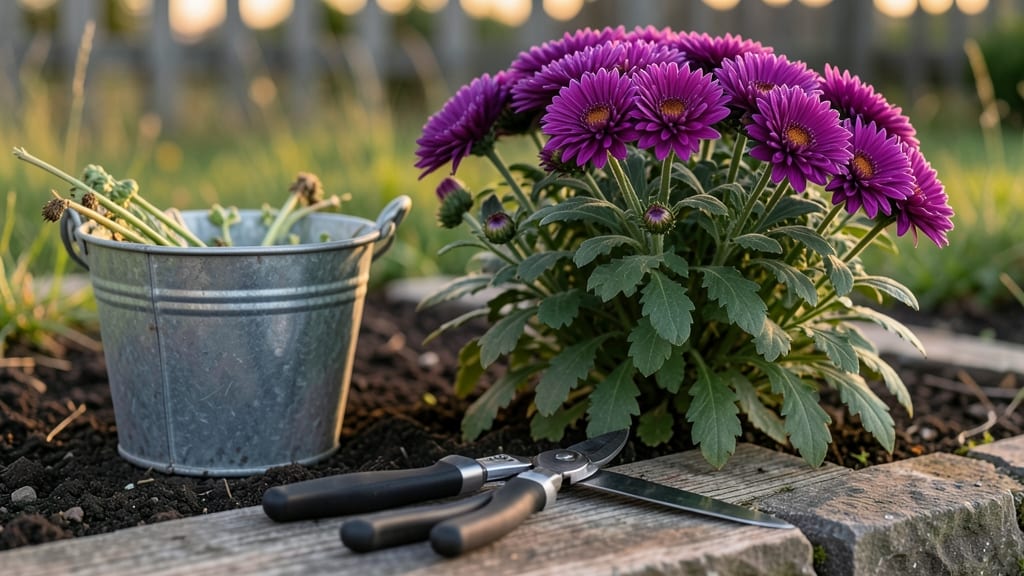
September gardening isn’t about winding down—it’s your last chance for fall harvests and winter prep. 🌱 I’ve learned the hard way that skipping this month means missing out on crisp greens, sweet carrots, and hearty kale by Thanksgiving.
The secret? Planting cool-season crops now while the soil still holds warmth, then protecting them as temperatures drop.
You’ll need fast-growing seeds like spinach and radishes for quick harvests, plus row covers or cold frames to extend the season. My garden journal shows that even in Zone 5, we’ve pulled fresh lettuce in December with these tricks.
The key is working with Mother Nature, not against her—soil stays workable longer than you think, and frost dates are just guidelines, not rules.
By month’s end, you’ll have a garden that keeps giving through winter: tender greens for salads, root veggies for storage, and flowers that attract pollinators before the first freeze.
The payoff? Fresh food on your table when stores are stocked with sad, imported produce. Let’s make this your most productive September yet.
Whether you’re in the Northern or Southern Hemisphere, the principles hold—just adjust timing for your first frost. Container gardeners can even bring pots indoors for winter harvests. Here’s how to make the most of these golden weeks before winter sets in.
📚 In This Guide
- What you need
- Instructions
- Tips and common mistakes
- Wrapping up and next steps
What you need
- ● Seeds: Choose cold-hardy varieties like kale, spinach, carrots, radishes, and lettuce. Aim for organic, non-GMO seeds for best results.
- ● Potting Soil: 10–20 lbs of high-quality, well-draining organic potting mix (or compost-amended garden soil).
- ● Compost: 5–10 lbs of aged compost to enrich soil and retain moisture.
- ● Mulch: Straw or shredded leaves (1–2 inches thick) to protect soil and retain warmth.
- ● Plant Stakes or Markers: Biodegradable stakes or labels for seedlings (10–20 units).
- ● Garden Trowel: A sturdy, 5-inch stainless steel trowel for planting and transplanting.
- ● Pruners: Sharp, bypass pruners for trimming dead foliage or harvesting.
- ● Gloves: A pair of durable, breathable gardening gloves to protect your hands.
- ● Watering Can or Hose: A lightweight can with a rose nozzle or a gentle hose attachment for precision watering.
- ● Rake: A small hand rake for leveling soil and removing debris.
- ● Row Covers: Lightweight fabric to protect young plants from frost.
- ● Cold Frame or Mini Greenhouse: Extends the growing season for delicate crops.
- ● Plant Food: A balanced, organic fertilizer (e.g., 5-5-5 or fish emulsion).
- ● Pest Control: Neem oil or diatomaceous earth for natural pest management.
Step-by-Step guide for September planting success
September is your second chance to grow—harvest hearty greens and root crops before winter sets in.
🌱 Step 1: Choose the Right Cool-Season Crops
Focus on plants that thrive in cooler weather like kale, spinach, carrots, and radishes. These varieties mature quickly and tolerate light frosts, making them perfect for late-season planting. I always check the back of seed packets for days-to-harvest—aim for crops that will mature before your first expected frost date.
Skip heat-loving plants like tomatoes or peppers. They’ll languish in September’s dropping temperatures and won’t produce well. Instead, opt for fast-growing lettuce or arugula if you want greens in just a few weeks.
🪴 Step 2: Prepare the Soil for Planting
Clear any remaining summer crops and loosen the soil to a depth of 6 inches with a garden fork. September soil often holds moisture from summer rains, so mix in 2-3 inches of compost to improve drainage and add nutrients. Avoid fresh manure—it can burn tender fall seedlings.
If your soil feels compacted or clay-heavy, work in 1-2 inches of coarse sand to help roots establish. Test the soil moisture before planting—it should feel damp but not soggy. Overly wet soil can suffocate seeds and seedlings.
☀️ Step 3: Plant at the Correct Depth and Spacing
Follow seed packet guidelines for depth—most cool-season crops need to be planted twice as deep as their diameter. For example, tiny radish seeds go in just ¼ inch deep, while larger carrot seeds need ½ inch of coverage. Press the soil gently around seeds to ensure good contact.
Space seedlings or direct-sown seeds according to their mature size. Crowding leads to weak plants and disease. For instance, kale needs 12-18 inches apart, while radishes can grow happily 2 inches apart in rows.
💧 Step 4: Water and Mulch for Moisture Retention
Water the soil deeply right after planting to settle seeds and encourage root growth. Use a soaker hose or watering can to avoid disturbing the soil surface. Keep the area consistently moist—not soggy—until seeds germinate. A light misting daily often works better than heavy watering.
Apply 1-2 inches of straw or shredded leaves as mulch to retain moisture and suppress weeds. Mulch also insulates the soil, protecting young plants from temperature swings. Avoid thick layers that could smother seedlings.
⏰ Step 5: Protect Plants from Early Frost
Monitor your local frost forecast and cover tender crops with row covers or lightweight fabric when temperatures drop below 35°F. Even hardy greens like spinach can bolt if exposed to sudden cold. I like to use floating row covers that let light and water through while shielding plants.
Harvest leafy greens before hard frosts hit—most remain tender even after a light freeze. For root crops like carrots, pull them before the ground freezes solid. If a frost is forecast, harvest in the morning when soil is warmest.
Tips & tricks for perfect late-season planting
A few key strategies will help you maximize your September garden's potential before winter arrives.
Soil Prep Secret: The 6-inch soil depth we loosen in Step 2 is crucial—it gives roots room to grow before cold sets in. Real talk: I've seen many gardeners skip this step, thinking summer prep was enough. But September soil often holds moisture differently, so that extra depth prevents waterlogging. Test your soil's dampness by squeezing a handful—it should hold together but not drip water.
Planting Depth Hack: When planting seeds twice their diameter deep (Step 3), use a pencil or dowel to create uniform holes—this prevents uneven germination. For radishes at ¼ inch, I make tiny marks on my pencil to avoid over-planting. And here's what nobody tells you: press soil gently around seeds to eliminate air pockets that can dry them out.
Mulching Wisdom: That 1-2 inch mulch layer in Step 4 does double duty—it retains moisture AND protects from temperature swings. I've learned the hard way that thick mulch smothers seedlings, so keep it light. For extra insulation, I sometimes add a thin layer of straw over the mulch when nighttime temps drop below 45°F.
Frost Protection Strategy: When covering plants at 35°F (Step 5), use lightweight fabric that lets light through—heavy covers can block sunlight and stress plants. I keep row covers handy and drape them loosely over plants rather than pressing them down. This creates a microclimate that protects without suffocating your crops.
Pro Tips for Gardening In September
- A few key strategies will help you maximize your September garden's potential before winter arrives.
- Soil Prep Secret: The 6-inch soil depth we loosen in Step 2 is crucial—it gives roots room to grow before cold sets i...
- Planting Depth Hack: When planting seeds twice their diameter deep (Step 3), use a pencil or dowel to create uniform ...
Frequently asked questions
Got questions about tackling your September garden? You’re not alone—late-season gardening can feel like a puzzle! Here are answers to the most common queries to help you plant with confidence and avoid rookie mistakes.
Can I still plant vegetables in September?
September is prime time for cool-season crops like kale, spinach, broccoli, and radishes. These thrive in cooler temps and can even survive light frosts. Just check your USDA hardiness zone—most regions can plant until the first frost (usually mid-to-late October). For warm climates, focus on heat-tolerant varieties like Swiss chard or collards.
How long do I have to harvest before frost?
Timing depends on your crop and frost date, but a handy rule is the “50-day rule”: Plant varieties that mature in 50 days or less for a fall harvest. Use a frost calculator to estimate your last safe planting window. For example, radishes (25 days) or arugula (30 days) are foolproof picks.
What if my soil is too hot for planting?
Hot soil can shock roots, but you can fix it! Test soil temp—ideal range is 60–70°F. If it’s scorching, try these tricks:
Pests love tender new growth! Combat them with these low-effort strategies:
How do I protect my September plants from pests?
Pro tip: Neem oil or insecticidal soap sprays work well for soft-bodied pests—just apply in the evening to avoid harming bees.
Can I extend my harvest into winter?
Yes! Use these tricks to keep your garden productive:
- Cold frames: Simple DIY boxes with transparent lids trap heat and can add 10–15°F of protection.
- Straw mulch: Pile 4–6 inches around plants like carrots or beets to insulate roots.
- Choose hardy varieties: Look for labels like “winter-hardy” or “overwintering.” Kale, Brussels sprouts, and garlic are champions.
- Harvest strategically: Pick leafy greens (like spinach) before they bolt in cold snaps.
Wrapping up and next steps
September is your golden opportunity to extend your harvest and prepare for a thriving spring! With the right late-season crops, soil care, and a little planning, you can turn your garden into a fall bounty and a winter-ready haven.
Whether you're a seasoned gardener or just starting out, now’s the time to act—your future harvests will thank you!
Ready to dive in? Start small—pick one or two crops to plant this week, then build from there. Before you know it, you’ll be reaping the rewards of your September efforts! 🌱✨