
Tools
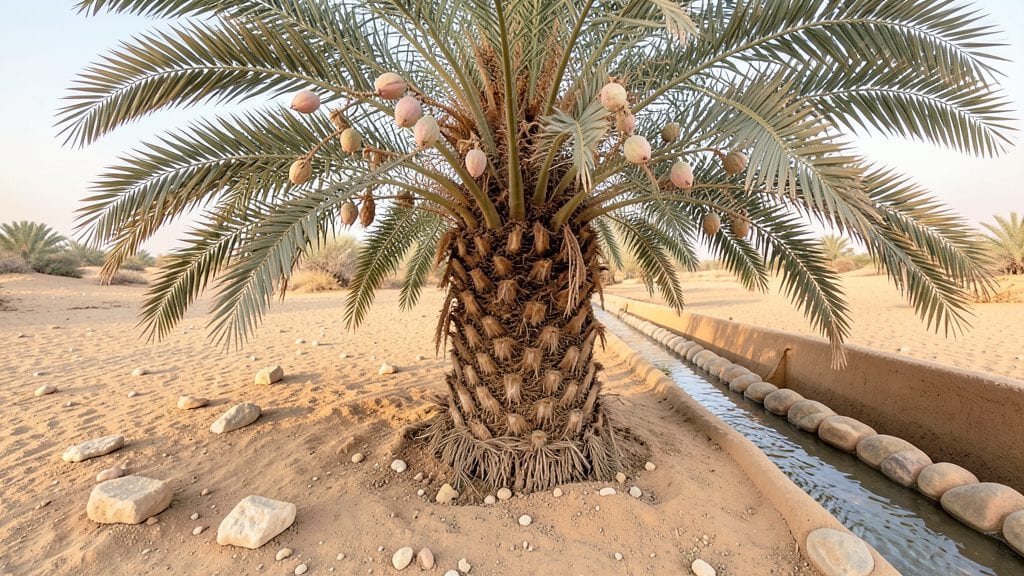
Dubai’s botanical gardens prove deserts can burst with year-round blooms—and you can bring that same magic to your yard. I’ve studied how these gardens blend drought-resistant plants with dramatic water features, creating oases that thrive under the sun’s harshest glare.
The key isn’t just picking the right plants; it’s layering them in ways that mimic natural desert ecosystems while still feeling lush and intentional.
Think tiered terraces filled with succulents, agaves, and olive trees, all framed by sleek stone pathways that reflect the heat. Most designs incorporate underground irrigation to conserve water while keeping foliage vibrant, and they use local stones to anchor the space without adding to the desert’s thirst.
The result? A garden that stays cool, stays green, and never feels like it’s fighting the climate.
What’s most inspiring is how these gardens turn sustainability into beauty—every plant serves a purpose, whether it’s shading others, attracting pollinators, or simply surviving on minimal water.
You’ll leave with ideas for low-maintenance borders that still feel dramatic, like pairing desert roses with ornamental grasses or using native palms as focal points. Even small spaces can borrow these tricks.
The best part? These principles work anywhere with hot, dry summers. Start with one drought-tolerant plant—like a bougainvillea or a desert marigold—and build from there. Your garden will thank you, and so will your water bill.
📚 In This Guide
- What you need
- Instructions
- Tips and common mistakes
- Wrapping up and next steps
What you need
- ● Native & Drought-Tolerant Plants: 10+ Agave (for architectural drama)
- ● 5–10 Olive Trees (for Mediterranean flair)
- ● 15+ Desert Roses (Adenium obesum) for vibrant blooms
- ● 3–5 Palm Trees (e.g., Phoenix dactylifera for local authenticity)
- ● 20+ Succulents (e.g., Echeveria, Sedum) for texture
- ● Soil & Mulch: 10+ cubic yards of well-draining cactus/succulent mix
- ● 5–10 bags of gravel or decomposed granite (for desert-style beds)
- ● 3–5 yards of organic mulch (to retain moisture)
- ● Watering System: Drip irrigation kit (with timers for efficiency)
- ● 5–10 5-gallon water storage jugs (for portability)
- ● Hand Tools: 1 Garden trowel (for planting)
- ● 1 Pruning shears (for shaping)
- ● 1 Gloves (heat-resistant if working in Dubai’s sun)
- ○ Power Tools (Optional but Helpful): 1 Hedge trimmer (for clean edges)
- ● 1 Post-hole digger (for installing trellises)
- ● Safety Gear: Sunscreen (SPF 50+ for desert conditions!)
- ● Wide-brimmed hat or cap
- ● Location: Full sun exposure (6+ hours/day) and well-draining soil (Dubai’s sandy soil is ideal!)
- ● Permits: Check local regulations—some areas require approval for large plantings.
- ● Budget: Plan for $500–$2,000+ depending on plant selection and scale.
- ● Climate Prep: Acclimate plants gradually if moving from nurseries to avoid shock.
Instructions for crafting a Dubai-inspired botanical garden
Transform your space into a lush oasis that mirrors Dubai’s desert-meets-luxury aesthetic with these precise, climate-conscious steps.
Design for Desert Resilience and Water Efficiency
Begin by mapping your garden layout to prioritize drought-tolerant native plants—like desert roses and oleanders—that thrive in 100°F+ temperatures while requiring minimal irrigation. I recommend grouping plants by water needs: cluster succulents and agaves in one zone, then transition to semi-arid shrubs like bougainvillea. This tiered approach ensures no plant suffers from over- or under-watering, even during Dubai’s scorching summers.
Incorporate gravel pathways between plant beds to reduce evaporation and maintain soil moisture. The gravel also reflects sunlight, keeping the root zone cooler—a critical adaptation for desert gardens. Use swales (shallow trenches) to channel rainwater toward thirsty plants, maximizing every drop in this arid climate.
Select Heat-Resistant Plant Palette
Curate a plant list that balances year-round interest with low-maintenance resilience. Start with desert willows for their silvery foliage and drought tolerance, then add frangipani for fragrant blooms that tolerate full sun exposure. Mix in aloe vera and snake plants for their architectural forms and ability to survive on weekly watering once established.
Avoid tropical plants like hibiscus unless you’re willing to provide afternoon shade during peak heat. Instead, opt for palm varieties like the date palm or windmill palm, which handle 110°F+ temperatures with ease. These species not only endure Dubai’s climate but also contribute to the garden’s signature Mediterranean-meets-desert aesthetic.
Implement Strategic Irrigation Systems
Install a drip irrigation system with smart timers to deliver water directly to the root zone at dawn or dusk, when evaporation rates are lowest. I’ve found that three 10-minute cycles per week during the hottest months prevents root rot while keeping plants hydrated. Use mulch—like cypress or pine straw—to retain moisture and suppress weeds, reducing the need for frequent watering.
For larger plants, incorporate self-watering planters filled with cactus and succulent mix. These containers hold moisture longer and prevent runoff, which is essential in Dubai’s sandy soil. Test your system by running it for 24 hours before planting to ensure even coverage—uneven watering leads to weak, leggy growth.
Enhance with Desert-Inspired Hardscaping
Incorporate sandstone or limestone for pathways and borders to complement Dubai’s natural landscape. These materials not only withstand extreme heat but also reflect sunlight, reducing the heat island effect around plant beds. Add windbreaks—like tall yucca or muhly grass—to shield delicate plants from the dry, abrasive winds common in the region.
Integrate solar-powered lighting along pathways to highlight architectural plants at night. Choose warm-toned LEDs to create a cozy, inviting atmosphere while minimizing energy use. This lighting also deters pests naturally, as many insects avoid well-lit areas.
Maintain Through Seasonal Adjustments
Adjust care routines monthly to account for Dubai’s dramatic temperature swings. During spring and fall, when nights dip below 70°F, reduce watering to every 10 days to prevent fungal issues. In summer, increase frequency to every 3-4 days and apply morning shade cloth to protect young plants from direct midday sun.
Fertilize twice yearly—once in early spring with a slow-release, low-nitrogen formula and again in late summer to support blooming. Prune dead or overgrown branches in winter to encourage new growth. This disciplined approach ensures your garden remains vibrant without overburdening the plants in this harsh climate.
Tips & tricks for perfecting your Dubai-inspired botanical garden
Creating a thriving desert oasis requires precision and climate-smart strategies—here’s how to elevate your garden design from good to extraordinary.
Plant Grouping Strategy: In Step 1, when mapping your garden layout, remember that proper plant grouping isn’t just about aesthetics—it’s about survival. Place your most drought-tolerant plants like desert roses and oleanders in the hottest, sunniest areas where they’ll thrive in 100°F+ temperatures. The succulents and agaves can handle slightly less water, while your semi-arid shrubs like bougainvillea should get the occasional extra drink. This zoning prevents overwatering while ensuring every plant gets exactly what it needs to flourish.
Irrigation Testing is Non-Negotiable: That 24-hour test run before planting in Step 3 isn’t just recommended—it’s essential. Run your drip irrigation system for the full day to identify any dry spots or leaks. I’ve seen too many gardens where uneven watering led to weak growth or even plant death. Pay special attention to how water distributes in different soil types—Dubai’s sandy soil drains quickly, so you may need to adjust your timer settings for optimal coverage.
Seasonal Care Calendar: The monthly adjustments in Step 5 are where many gardeners go wrong. Mark your calendar for those 70°F nighttime thresholds—when temperatures dip that low in spring/fall, reduce watering to every 10 days to prevent fungal issues. Conversely, during summer’s 110°F+ heatwaves, increase frequency to every 3-4 days and always apply morning shade cloth. This disciplined approach prevents both underwatering and overwatering, two of the biggest killers in desert gardens.
Material Selection Matters: When choosing hardscaping materials in Step 4, don’t just pick based on looks—consider heat reflection. Sandstone and limestone aren’t just decorative; they reflect sunlight, reducing the heat island effect around your plant beds. For windbreaks, tall yucca or muhly grass work beautifully, but make sure they’re positioned to catch prevailing winds without blocking sunlight entirely. The right materials can mean the difference between a struggling garden and one that thrives in Dubai’s harsh conditions.
Pro Tips for Botanical Garden Dubai
- Creating a thriving desert oasis requires precision and climate-smart strategies—here’s how to elevate your garden design from good to extraordinary.
- Plant Grouping Strategy: In Step 1, when mapping your garden layout, remember that proper plant grouping isn’t just about aesthetics—it’s about survival.
- Irrigation Testing is Non-Negotiable: That 24-hour test run before planting in Step 3 isn’t just recommended—it’s essential.
Frequently asked questions
What’s the best time of year to visit the Botanical Garden Dubai?
The garden is a year-round paradise, but winter (Nov–Mar) offers the most comfortable temperatures (60–80°F) and vibrant blooms like orchids and roses. Summer visits (Apr–Oct) are hot (90–110°F), but early mornings or evenings are ideal—just pack water and sun protection!
How long should I spend at the Botanical Garden Dubai?
Plan for 2–4 hours to explore the 72-hectare garden, including themed sections like the Desert Pavilion and Waterfall Valley. Pro tip: Weekdays are less crowded, and guided tours (1.5–2 hours) add depth without rushing.
Is the Botanical Garden Dubai free to enter?
General admission is free for all visitors, but special events (like night tours or workshops) may require tickets (AED 50–200). Weekends and holidays can get busy—arrive early or book a timed slot online to avoid lines.
Are there alternatives to the Botanical Garden Dubai for plant lovers?
Yes! Check out:
- Miracle Garden Dubai: Seasonal floral displays (AED 150–200 entry).
- Alserkal Avenue: Urban greenery and art installations.
- Dubai Parks & Resorts: Themed gardens at Legoland or _IMAGICA_.
Can I bring food or drinks into the garden?
Outside food is allowed, but glass containers are banned. The garden has cafés (e.g., The Orchid Café) for refreshments. Troubleshooting tip: If picnicking, opt for reusable metal bottles—hydration stations are scattered throughout!
Is the Botanical Garden Dubai family-friendly?
Features like the Children’s Garden and interactive exhibits (e.g., Butterfly House) engage kids. Stroller-friendly paths and shaded areas make it easy for families. Weekdays are quieter for little explorers.
Are there sustainable or eco-friendly practices at the garden?
The garden uses drip irrigation, solar-powered lighting, and native plants to conserve water. Pro tip: Download the official app for real-time updates on conservation efforts—like how they repurpose rainwater!
Wrapping up and next steps
Transforming your space into a Dubai-inspired botanical garden isn’t just about aesthetics—it’s about crafting a serene escape that thrives year-round. From selecting drought-resistant plants to embracing sustainable design, every choice reflects the luxurious yet resilient spirit of Dubai’s landscapes.
Whether you’re a seasoned gardener or a beginner, this guide empowers you to create a flourishing oasis that’s uniquely yours.
🌿 Ready to bloom? Start small—sketch your design, gather your materials, and take the first step today! Your desert garden dream is closer than you think. 🌵✨