
Landscaping
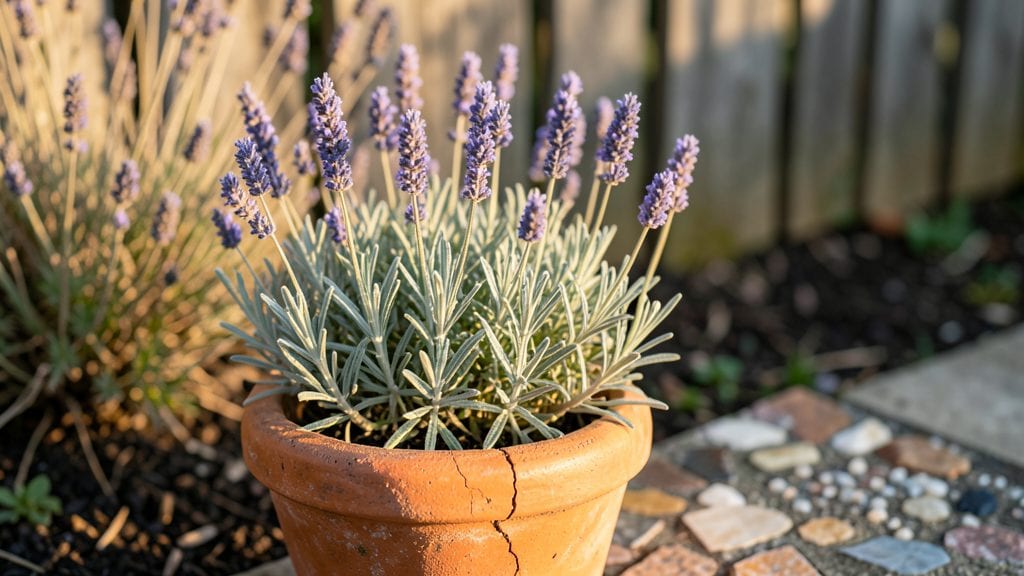
Creating a Mediterranean garden design starts with sun-drenched layers that feel like a vacation every time you step outside.
I stumbled onto this style after my first trip to Provence, where the scent of lavender and the warmth of terracotta pots made me realize gardens could be both practical and breathtaking.
The key isn't just the plants—it's the way they're arranged to catch light, create shade, and invite you to linger.
Think gravel pathways that stay cool underfoot, arched trellises draped with climbing roses, and pots filled with drought-resistant herbs that smell like summer. You don't need acres—even a small patio can become a Mediterranean oasis with the right plant choices like rosemary, olive trees, and vibrant bougainvillea.
The color palette leans into earthy tones with pops of blue and purple, creating a soothing yet lively atmosphere.
What you'll end up with is a garden that thrives on minimal water, stays lush through heatwaves, and blooms in waves from spring through fall. The air will always carry that familiar Mediterranean scent—citrusy, herbal, and impossibly fresh.
Plus, the design works for any space, whether you're working with a narrow balcony or a sprawling backyard.
Here's the thing—this style isn't just about looks. It's about creating a space that feels like a retreat, where every element has purpose. From the way light dances through olive trees to the quiet rustle of lavender in the breeze, it's gardening that engages all your senses.
Let's get those sunlit layers started!
📚 In This Guide
- What you need
- Instructions
- Tips and common mistakes
- Wrapping up and next steps
What you need
- ● Soil & Amendments: Well-draining garden soil (50+ sq. ft. bags, ~10-15 bags for a 10’x10’ area)
- ● Gravel or sand (for pathways, 1 cubic yard for 100 sq. ft.)
- ● Compost (2-3 cubic feet per plant)
- ● Plants: Drought-tolerant shrubs (e.g., lavender, rosemary, olive trees – 3-5 per variety)
- ● Perennials & annuals (e.g., bougainvillea, salvia, geraniums – 10-20 plants)
- ● Climbing vines (e.g., jasmine, wisteria – 2-3 plants)
- ● Hardscaping: Flagstone or cobblestones (for pathways, ~50-100 sq. ft. coverage)
- ● Terracotta pots (mix of 12” and 18” sizes, 10-15 pots)
- ● Trellises or pergolas (wooden or metal, 1-2 structures)
- ● Must-Have Tools: Shovel & spade
- ● Garden trowel (for precision planting)
- ● Pruners (bypass pruners for clean cuts)
- ● Wheelbarrow (for hauling materials)
- ● Level & measuring tape
- ○ Optional (But Helpful): String line & stakes (for layout)
- ● Soil pH tester (to ensure Mediterranean-friendly acidity)
- ● Hose with adjustable nozzle (for efficient watering)
- ● Sunlight assessment: 6+ hours of direct sun daily (critical for Mediterranean plants!).
- ● Water source: Drip irrigation or soaker hoses (low-water solutions work best).
- ● Local climate check: Zone 7-10 (or adapt with cold-hardy varieties if outside this range).
- ● Permits: Check local regulations for hardscaping or major structural changes.
Step-by-step instructions for creating a Mediterranean garden design
Here's how to craft a sun-drenched, layered garden that thrives year-round with minimal fuss.
Plan Your Sunlit Layers for Year-Round Interest
Mediterranean gardens rely on height, texture, and seasonal blooms to create visual depth. Start by dividing your space into three distinct layers: the tall structural plants (6-8 feet), the mid-height shrubs (3-5 feet), and the low-growing ground covers (under 2 feet). I always sketch a simple layout first—this ensures you balance evergreens like rosemary and lavender with seasonal bloomers like geraniums and salvias.
Place taller elements like olive trees or citrus along the north or east edges to avoid shading smaller plants. Group plants with similar water needs together to simplify irrigation. For example, drought-tolerant lavender and thyme can share space, while Mediterranean grasses like fountain grass need slightly more moisture. This zoning keeps maintenance effort low while maximizing beauty.
Prepare the Soil for Drought-Resistant Plants
Mediterranean gardens thrive in well-draining soil with a slightly alkaline pH. Amend your existing soil with 3 inches of coarse sand or perlite to improve drainage, especially if your climate gets heavy rains. I mix in 1 part compost for every 3 parts native soil—this provides nutrients without compacting the mix. Avoid heavy amendments like peat moss, which can retain too much moisture.
Test your soil’s drainage by digging a 12-inch hole, filling it with water, and timing how long it takes to drain. If water pools after 30 minutes, add more sand. For containers, use a 50/50 blend of potting mix and perlite to mimic the lightweight, airy soil found in Mediterranean climates. This preparation prevents root rot and mimics the natural conditions where these plants evolved.
Plant for Seasonal Texture and Color
Begin with evergreen shrubs like rosemary, lavender, or dwarf olive trees as your backbone—they provide structure and greenery year-round. Space them 3-5 feet apart, depending on their mature size. Next, add perennial flowers such as salvias, geraniums, and catmint, which bloom from spring through fall. These plants thrive in full sun (6+ hours daily) and need little water once established.
Fill gaps with drought-tolerant ground covers like creeping thyme or sedum. These suppress weeds and retain moisture in the soil. For a pop of color, tuck in annuals like marigolds or alyssum in early spring and late summer. Water deeply once a week for the first month to encourage deep root growth, then taper off to every 2-3 weeks once plants are settled.
Add Hardscape and Water Features for Authentic Flair
Mediterranean gardens often feature stone pathways, terracotta pots, and rustic fountains to create a relaxed, timeless look. Use flagstone or gravel for walkways to allow water to seep through and reach plant roots. Place unglazed terracotta pots around the garden—they absorb moisture and release it slowly, mimicking the Mediterranean microclimate.
If you have space, add a small fountain or shallow pool to attract birds and create a soothing ambiance. Even a simple drip irrigation system with emitters placed at the base of plants reduces water waste. Mulch with 3 inches of gravel or crushed stone to conserve moisture and keep weeds at bay. This step transforms your garden from a simple planting to a cohesive, inviting space.
Maintain with Minimal Effort
Once established, Mediterranean gardens require very little upkeep. Prune late winter or early spring to shape shrubs and remove dead growth. Deadhead spent flowers on perennials to encourage more blooms. Water deeply but infrequently—aim for 1 inch of water per week, delivered all at once rather than daily light sprinkles. This method mimics natural rainfall patterns and builds drought resistance.
Fertilize lightly in early spring with a balanced, slow-release fertilizer (10-10-10). Avoid heavy feeding, as Mediterranean plants prefer lean soil. Watch for pests like aphids or spider mites—spray with neem oil if needed, but most plants in this design are naturally resistant. With this approach, your garden will stay vibrant with almost no daily maintenance.
Tips & tricks for perfect Mediterranean garden design
A few simple strategies will help you create a Mediterranean garden that thrives with minimal effort and maximum beauty.
Layering is Everything: When planning your three layers—tall structural plants (6-8 feet), mid-height shrubs (3-5 feet), and low-growing ground covers (under 2 feet)—think about how light and air flow through the space. I always place taller elements like olive trees or citrus along the north or east edges to prevent shading of smaller plants. This creates a natural progression where each layer supports the next, much like a forest understory. The key is spacing: evergreen shrubs should be 3-5 feet apart, while ground covers can be closer together to fill gaps without competing for sunlight.
Soil Prep Makes All the Difference: The 30-minute drainage test in Step 2 is critical—if water pools after 30 minutes, you definitely need more sand or perlite. For containers, that 50/50 blend of potting mix and perlite is non-negotiable. I've seen gardeners skip this step and end up with root rot within weeks. Pro tip: If your native soil is heavy clay, consider building raised beds. They warm up faster in spring and give you complete control over drainage and soil composition. This is especially helpful if you're in a region with heavy winter rains.
Watering Wisdom: The once-a-week deep watering for the first month might seem counterintuitive, but it's how these plants evolved in Mediterranean climates. After that, stretching to every 2-3 weeks encourages deep root growth. I recommend using a rain gauge or tuna can to measure exactly 1 inch of water—this prevents overwatering while ensuring plants get enough moisture. For containers, water until it drains from the bottom, then empty the saucer to prevent soggy roots. This mimics the natural rainfall patterns that Mediterranean plants are adapted to.
Hardscape Secrets: Those 3 inches of gravel mulch aren't just for looks—they regulate soil temperature, suppress weeds, and slowly release moisture back into the soil. For pathways, flagstone allows water to seep through, while gravel creates a permeable surface that reduces runoff. If you're working with a sloped area, consider terracing with stone or retaining walls to create level planting zones. This not only prevents erosion but also makes maintenance much easier by containing plants in defined spaces.
Pro Tips for Mediterranean Garden Design
- A few simple strategies will help you create a Mediterranean garden that thrives with minimal effort and maximum beauty.
- Layering is Everything: When planning your three layers—tall structural plants (6-8 feet), mid-height shrubs (3-5 feet), and low-growing ground covers (under 2 feet)—think about how light and air flow through the space.
- Soil Prep Makes All the Difference: The 30-minute drainage test in Step 2 is critical—if water pools after 30 minutes, you definitely need more sand or perlite.
Frequently asked questions
Got questions about crafting your dream Mediterranean garden design? Here are answers to the most common ones—so you can dive in with confidence!
What’s the best time of year to start a Mediterranean-style garden?
A Mediterranean garden thrives with timing! Plant perennials and shrubs in early spring or fall (avoid summer heat). Annuals can go in late spring after the last frost. Pro tip: Mulch in summer to retain moisture—this style loves drought-resistant prep!
Are Mediterranean gardens expensive to maintain?
Not necessarily! While olive trees, lavender, and terracotta pots add charm, they’re budget-friendly long-term. Key cost-savers: Use native plants (they need less water/fertilizer), opt for pebble pathways over pavers, and DIY drought-tolerant landscaping. Example: A well-placed drip irrigation system cuts water bills by 50%!
Can I create this look in a small space or shady yard?
Absolutely!
Mediterranean gardens adapt to any size. For small spaces, use vertical gardens (herbs, ivy) or raised planters. Shady areas? Swap sun-lovers for silver sage, ferns, or hostas. Bonus: A whitewashed trellis with climbing roses mimics the style without direct sun.
How do I keep pests away without chemicals?
Mediterranean gardens are naturally pest-resistant! Plant lavender, rosemary, and marigolds (they repel bugs). Encourage ladybugs and birds with native shrubs. For tougher issues, use neem oil or soapy water sprays. Remember: Healthy soil = happy plants = fewer pests!
What’s the easiest way to add “Mediterranean vibes” on a budget?
Start with color and texture! Paint walls sage green or terracotta, add wrought-iron accents (even thrifted ones!), and layer pebbles, moss, and driftwood. DIY tip: Hang olive branches in vases or scatter dried citrus slices for instant charm. Pro move: Swap pricey pots for recycled wine bottles!
Wrapping up and next steps
A Mediterranean garden design isn’t just about beauty—it’s a celebration of lush, low-maintenance elegance that thrives under the sun. By blending native plants, sun-drenched pathways, and timeless textures, you create a space that feels alive year-round while staying true to the region’s charm.
Whether you’re starting small or dreaming big, the key is to embrace simplicity, sustainability, and joy in every layer.
Ready to bring this vision to life? Start small—pick one feature, like a fragrant herb spiral or a stone pathway, and let it inspire the rest. Your garden’s journey begins with a single step (and maybe a shovel!). 🌿✨